November 2023

How to-1

How to Incorporate AI into Your Marketing Strategy 

A Comprehensive Guide to Business Growth


Hello, Marketers! 

Are you ready to take your marketing strategy to the next level? This blog post is for you because we’re going into the world of incorporating AI into your marketing strategy, and trust me, it’s a game-changer!

In the evolving landscape of digital marketing, staying ahead is essential for businesses striving to connect with their target audience. One technology that has emerged as a game-changer in this realm is Artificial Intelligence (AI). 

Leveraging AI in your marketing strategy can significantly enhance efficiency, personalise customer experiences, and drive measurable results. 

In this blog post, we’ll explore practical ways to Incorporate AI into your marketing strategy.

To move your business forward, improve performance and increase sales, register for our workshop on Retink Workshop

Want content strategy information but don’t have the budget for AI? Download The Ultimate Guide to Leveraging Content AI for free to learn how to catapult your business to the next level.

Data-Driven Insights:

 

how to


AI excels in processing vast amounts of data at unusual speeds, providing businesses with actionable insights. Start by collecting and organizing your customer data. Utilize AI tools to analyze this data, extracting valuable patterns and trends. These insights can inform your marketing decisions, allowing you to tailor campaigns based on customer behaviours and preferences.


Personalisation at Scale:

how to

AI enables hyper-personalisation by creating individualised experiences for your audience. Implement machine learning algorithms to understand customer preferences, purchase history, and online behaviour. Leverage this information to deliver personalised content, product recommendations, and targeted advertisements. Personalisation not only enhances customer satisfaction but also increases the likelihood of conversion.


Chatbots and Virtual Assistants:
how to

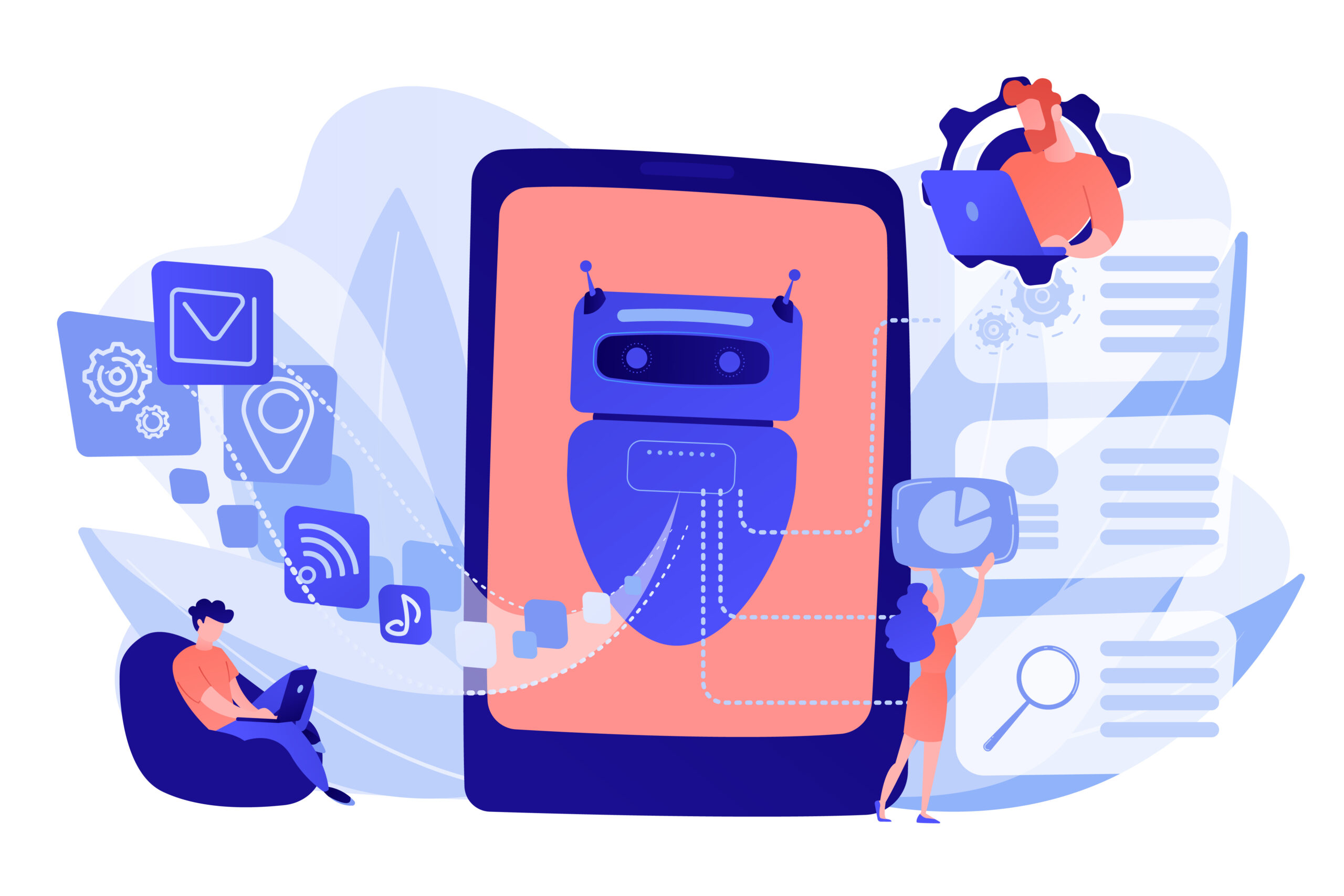
Integrate AI-powered chatbots into your website or social media platforms to engage with customers in real time. These intelligent bots can answer queries, provide product information, and even assist in the purchase process. By automating routine tasks, you free up human resources to focus on more strategic aspects of your marketing strategy.


Predictive Analytics:

how to

Utilise the power of predictive analytics to anticipate future trends and customer behaviour. AI algorithms can analyse historical data to forecast potential outcomes, enabling you to make informed decisions. Predictive analytics can be particularly valuable in optimising ad spend, identifying high-value leads, and streamlining your marketing funnel.


Content Creation and Curation:
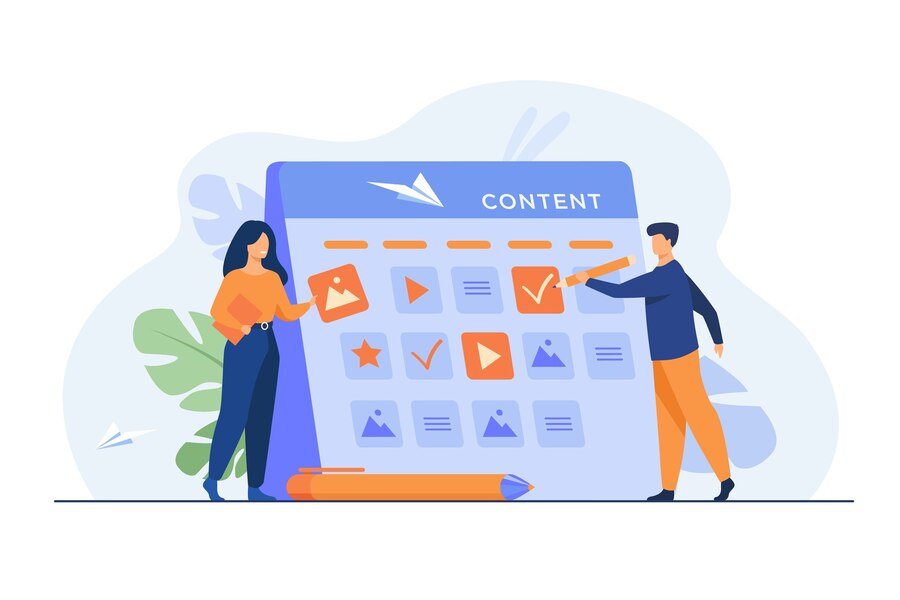
how toAI tools, such as natural language processing and generation, can assist in content creation. Automate the generation of blog posts, social media updates, and email campaigns. AI can also create content by analysing user preferences and suggesting relevant articles, videos, or products, ensuring that your audience receives content relating to their interests.

To move your business forward, improve performance and increase sales, register for our workshop on Retink Workshop

Want content strategy information but don’t have the budget for AI? Download The Ultimate Guide to Leveraging Content AI for free to learn how to catapult your business to the next level.


Dynamic Pricing Strategies:

how to

Implement AI-driven dynamic pricing to optimise your pricing strategy in real-time. Machine learning algorithms can analyse market conditions, competitor pricing, and customer behaviour to adjust prices dynamically. This not only helps maximize revenue but also ensures that your pricing remains competitive and responsive to market changes.


Facial Recognition in Marketing:

how to

Explore the innovative applications of facial recognition technology in marketing. Use it for targeted advertising, event check-ins, or creating interactive experiences. Facial recognition can provide valuable demographic information about your audience, allowing you to further refine your marketing strategies.


Conclusion:

Incorporating AI into your marketing strategy is no longer expensive but it is a necessity in today’s competitive world. From data-driven insights to personalised customer experiences, the potential benefits are immense. Start small, experiment with different AI applications, and gradually scale up based on your business needs. Embracing AI is not just about adopting new technology but about future-proofing your marketing efforts and staying ahead in the race to capture the attention of your audience.

To move your business forward, improve performance and increase sales, register for our workshop on Retink Workshop

Want content strategy information but don’t have the budget for AI? Download The Ultimate Guide to Leveraging Content AI for free to learn how to catapult your business to the next level.

Did you find this helpful? Kindly check and try out our platform Retink.io to learn more, also Visit Retink Media to take your digital marketing strategy to the next level.

How to Incorporate AI into Your Marketing Strategy  Read More »

ChatGPT

9 Secret Tips to Using ChatGPT to Generate Content Faster

Have you ever wondered how ChatGPT can be of help in many ways? this is a way to find out!

Hey, fellow content creators!  Are you tired of staring at a blank screen, waiting for inspiration to strike? Well, fear not, because I have got a secret weapon to share with you – ChatGPT! This AI-powered tool is here to save the day, by helping you generate content faster and more efficiently. 

So, grab your notepad and pen, and let’s go into some tips for making the most of ChatGPT.


How to use ChatGPT


1. Start with a Clear Idea


Before you even open ChatGPT, make sure you have a clear idea of what you want to create or what you want to write, drafting it down on a note or virtually won’t be a bad idea. Whether it’s a blog post, a product description, a YouTube title, or a marketing email, having a well-defined topic or objective in mind will make the process easier and smoother. Think of it as giving your AI assistant a roadmap to follow to come up with what you want.


2. Craft a Thoughtful Prompt


Crafting a thoughtful prompt is essential because your conversation with ChatGPT begins with a prompt, so make it count.

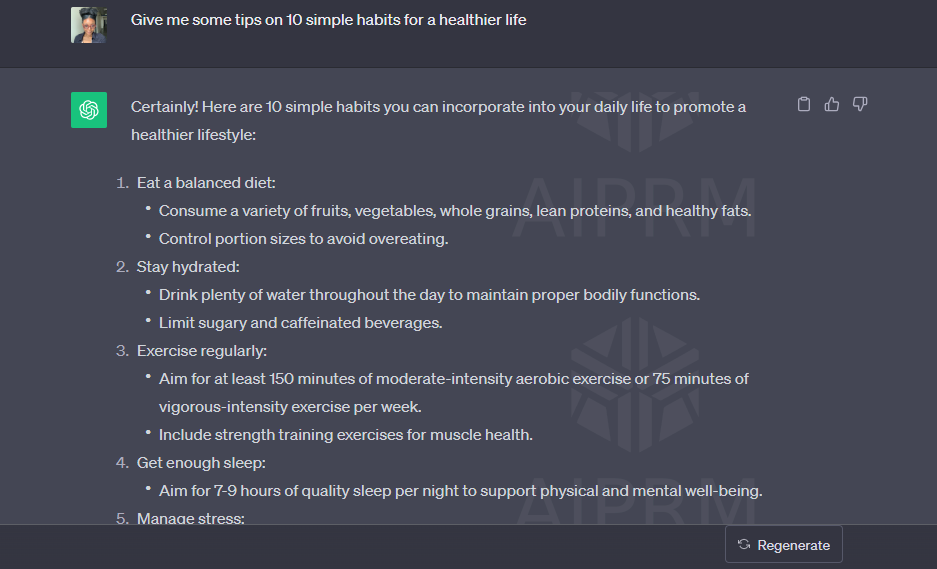
A good prompt is specific and concise. It tells ChatGPT AI exactly what you’re looking for. For example, if you are writing a lifestyle blog, try a prompt like, “Give me some tips on 10 simple habits for a healthier life” The more precise your prompt, the better ChatGPT can assist you.

Understanding how prompt engineering works is essential in crafting better prompting because it is a technique used in natural language processing (NLP) and artificial intelligence to design and formulate effective prompts or queries when interacting with language models like ChaGPT. It involves crafting instructions, questions, or statements in a way that elicits the desired information or response from the model.

Prompt engineering is an essential skill when working with language models like me. It helps you maximize the model’s capabilities and obtain the most accurate and relevant information or responses for your specific use case.


ChatGPT


3. Iterate and Refine


ChatGPT is like a brainstorming buddy that never gets tired. Don’t be afraid to experiment with different prompts and ideas if the first response doesn’t quite hit the mark, iterate and refine your prompt. Keep the conversation going until you’re satisfied with the content it generates for you.


4. Use System and User Responses Together


ChatGPT uses both system responses (neutral and informative) and user responses (your input) to generate content. You can mix and match these to get the best results. For instance, you can start with a system response and then add your creative touch with a user response. It’s like having a writing partner to bounce ideas off.


5. Edit and Polish


While ChatGPT can create content quickly, it’s important to remember that it’s just the first step. Be sure to complete the editing and polishing phase. Review the generated content for clarity, grammar, and consistency. You are the final judge of quality, and your personal touch can make all the difference.


6. Maintain Originality


 When using ChatGPT, it’s easy to fall into the trap of copying and pasting the generated text as is. But remember, originality matters. Plagiarism is a no-no in the content world. So, take the time to rephrase and customize the content to make it truly your own, and after writing, to check for plagiarism use duplicker.com, it will show you where you need to rephrase if there is any.


7. Fact-Check and Verify


 ChatGPT is a brilliant content generator, but it’s not infallible and not perfect It’s always a good practice to fact-check the information provided and verify its accuracy. Don’t let a small error slip through the cracks and tarnish your credibility.


8. Stay Updated


 The world of AI is constantly evolving. Keep an eye on updates and improvements to ChatGPT. New features and capabilities are being added regularly, so staying up-to-date can help you get the most out of this tool.

For example, there is an extension of ChatGPT which is AIPRM, which has more features and helps you give your prompts easier in tone and language.

To add an AIPRM extension to ChatGPT:

  1. Go to the Google Chrome web store on your Google browser
  2. Search for AIPRM and click on it
  3. On the right you will see “Add to Chrome”, click and select Add extension
  4. Finally, sync your AIPRM with ChatGPT.

ChatGPT


9. Experiment and Learn


Finally, don’t be afraid to experiment with ChatGPT. Try it out for different types of content, from blog posts to social media updates. The more you use it, the better you’ll become at harnessing its potential to generate content faster and more effectively.


So there you have it, some handy tips to help you bring your content creation process to life with ChatGPT. It’s like having a trusty writing sidekick at your disposal 24/7. Remember, practice makes perfect, so dive in, have fun, and let your creativity flow. Happy creating!

Check and try out our platform Retink Media to learn more, also Visit Retink.io to take your social media strategy to the next level


9 Secret Tips to Using ChatGPT to Generate Content Faster Read More »

Demystifying AI

Demystifying Artificial Intelligence 

Artificial Intelligence (AI) might sound complicated, but it is something we encounter every day. It’s the technology that enables our smartphones to understand our voice commands, suggests movies we might like, and even drives some cars without a human driver.

In this journey of demystifying AI, we’ll break it down into simple terms. We’ll explore what AI is, how it works, and how it’s changing our world. It’s not just robots and sci-fi stuff; it’s practical technology that’s becoming a part of our lives, isn’t it amazing? Let’s find out!


BRIEF HISTORY ON ARTIFICIAL INTELLIGENCE


According to WikipediaThe history of artificial intelligence (AI) began in antiquity, with myths, stories and rumors of artificial beings endowed with intelligence or consciousness by master craftsmen. The seeds of modern AI were planted by philosophers who attempted to describe the process of human thinking as the mechanical manipulation of symbols. This work culminated in the invention of the programmable digital computer in the 1940s, a machine based on the abstract essence of mathematical reasoning. This device and the ideas behind it inspired a handful of scientists to begin seriously discussing the possibility of building an electronic brain.”


WHAT IS ARTIFICIAL INTELLIGENCE?


Artificial intelligence (AI) refers to the capability and ability of a computer or machine to perform tasks that typically require human intelligence. These tasks include things like learning from experience, understanding natural language, recognizing patterns, making decisions, and solving problems. In simpler terms, AI is the science of creating computer programs or systems that can think and act intelligently, similar to how humans do, even though they are not conscious or self-aware.


IMPORTANCE OF ARTIFICIAL INTELLIGENCE IN OUR WORLD TODAY

 
  • It enhances Cyber security, in this digital age: AI is crucial for identifying and reducing Cyber Security threats by continuously monitoring networks, detecting anomalies, and responding rapidly to protect sensitive data.
  • Enhances healthcare diagnosis and treatment: in healthcare, AI assists medical professionals by analyzing patient data, medical images, and research to make more accurate diagnoses and recommend effective treatment strategies, ultimately saving lives.
  • It improves efficiency in various industries: Its importance lies in its ability to optimize workflows and operations across industries, leading to cost savings, increased productivity, and improved competitiveness.
  • Automates repetitive tasks: AI automates repetitive and time-consuming tasks, allowing humans to focus on more creative and complex aspects of their work, increasing efficiency and reducing errors.


APPLICATION OF AI IN VARIOUS FIELDS

 
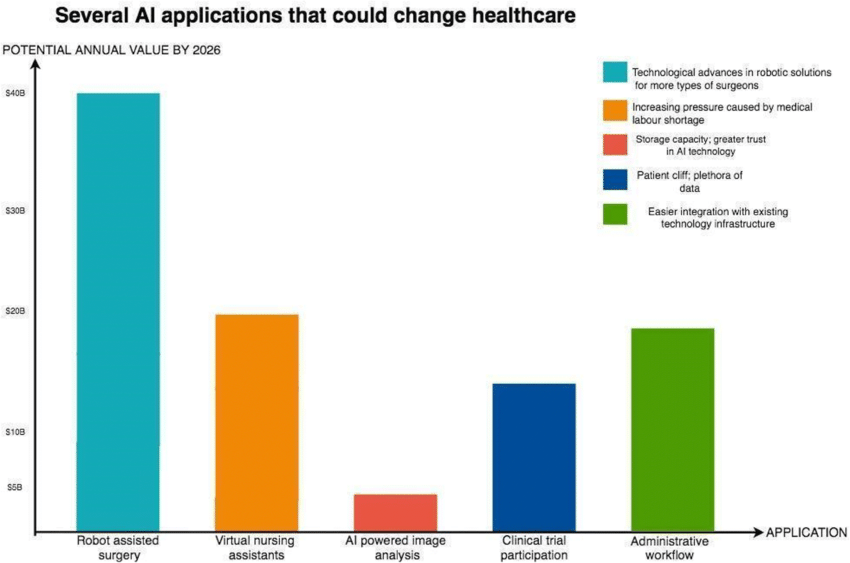
  • AI in Healthcare: Artificial intelligence has made significant strides in the healthcare industry. It is being used for tasks such as disease diagnosis, medical image analysis, and drug discovery. Machine learning algorithms can analyze vast amounts of medical data to identify patterns and trends. 


demystifying


Source: ResearchGate


  • AI in Finance: The financial sector has embraced AI to enhance decision-making and risk management. AI algorithms can analyze market data in real time, predict stock trends, and optimize trading strategies. Machine learning models are used for credit scoring, fraud detection, and customer service chatbots.
  • AI in Supply Chain: AI plays a crucial role in streamlining supply chain operations. Predictive analytics and machine learning are used to forecast demand, optimize inventory management, and reduce logistics costs. AI-powered systems track and monitor shipments, enabling real-time visibility and proactive issue resolution. This results in improved efficiency and reduced supply chain disruptions.
  • AI in Education: In the education sector, AI has the potential to personalize learning experiences. Adaptive learning platforms use AI algorithms to assess students’ strengths and weaknesses, tailoring educational content to their needs.

These are just a few examples of how AI is transforming various fields, revolutionizing industries and improving efficiency, decision-making, and customer experiences across the board.


ADVANTAGES OF AI

 
  • AI is available round the clock, never needing breaks, and excels at multitasking.
  • Digital assistants are used by advanced companies for user engagement and content delivery, sometimes blurring the line between human and AI interaction.
  • AI makes unbiased, rational decisions, avoiding emotional influences, leading to more accurate choices.


DISADVANTAGES OF AI

 
  • Job DisplacementAutomation through AI can lead to job losses in certain industries, especially those that rely on routine tasks.
  • Privacy ConcernsAI can be used to invade personal privacy through surveillance and data mining, raising ethical and legal questions.
  • Security RisksAI can be vulnerable to attacks and hacking, potentially leading to data breaches and malicious use.
  •  High CostsDeveloping and implementing AI technologies can be expensive, limiting access for smaller organizations and countries.
  • Dependence on TechnologyOver Reliance on AI can reduce human skills and decision-making capabilities.

 Read more here


FREQUENTLY ASKED QUESTIONS ABOUT AI

 
  •  Is AI safe? 

AI safety is a concern, especially with the development of powerful AI systems. Researchers and organizations are working on safety measures and ethical guidelines to mitigate risks associated with AI.

  • What are the main AI technologies?

Natural language generation, speech recognition, virtual agents, machine learning platforms, AI optimized hardware, decision management, deep learning platforms, biometrics, robotics automation, text analysis, cyber defense, compliance, knowledge worker aid, content creation, emotion recognition, image recognition and marketing automation.

  • Can artificial intelligence compete with human intelligence?

“People will always be faster to adjust than computers because that’s what humans are optimized to do.”

  • Can AI be regulated?

Currently, AI remains largely unregulated, lacking oversight from any governing body, as it continuously advances and refines its machine-learning capabilities. Prominent tech leaders have made recent calls for the necessity of AI regulation and control.

Read more here


CONCLUSION


Demystifying AI involves breaking down complex concepts into understandable components. AI is a powerful tool with huge potential, but it’s not magic. It’s built on data, algorithms, and models, and it learns from experience.

Understanding these fundamental aspects of AI can empower individuals and society to make informed decisions about its use and impact. 

As AI continues to evolve, it’s essential to engage in ongoing conversations about its ethical implications and ensure that it benefits humanity as a whole.


REFERENCED ARTICLES 


Duggal, N. (2023). Advantages and Disadvantages of Artificial Intelligence: Simplilearn, 3-5, 

https://www.simplilearn.com/advantages-and-disadvantages-of-artificial-intelligence-article

Russell, S. J., Norvig, P. (2021). Artificial Intelligence: A Modern Approach (4th Ed) Hoboken: Pearson; ISBN 978-0134610993. LCCN 20190474,

https://en.wikipedia.org/wiki/History_of_artificial_intelligence

Sasson, J. (2021). Demystifying Artificial Intelligence; Medium

https://medium.com/geekculture/demystifying-artificial-intelligence-bdd9a117d4a6

Demystifying Artificial Intelligence  Read More »