AI Content Marketing

AI Content Marketing is the use of artificial intelligence to streamline and enhance content creation, distribution, and analysis processes in marketing. AI tools generate tailored content, optimise it for SEO, and provide data-driven insights to improve engagement and conversions. It helps marketers create personalised and scalable campaigns efficiently while maintaining consistency and relevance across platforms.

Top 5 Ways AI Can Help Your Business Improve Sales

How AI is Impacting Businesses, Sales Processes and Results  Meet Joey, a curious mind with a keen interest in the intersection of technology and business. Eager to learn, Joey has been exploring the myriad ways in which businesses have harnessed the power of artificial intelligence to drive improvement and innovation. Here is his conversation with RAI, Retink’s Artificial Intelligence. Joey: Hey RAI, I’ve been hearing a lot about AI in business lately. Can you give me a quick rundown of its biggest impacts? RAI: Absolutely, Joey! AI is revolutionising businesses in several ways. First, it’s transforming customer service. AI-powered chatbots provide 24/7 support, while sentiment analysis helps businesses understand customer feedback in real time. Joey: That sounds efficient! What’s customer service experience all about? RAI: Excellent question! Customer experience (CX) is how customers perceive and interact with a brand, from initial awareness to post-purchase support. It’s the sum of all touchpoints. Joey: That makes sense. How does AI improve CX? RAI: AI enhances CX in many ways which include: Joey: Cool? What about data analytics? RAI: Another way is through data analysis and insights. AI can process vast amounts of data much faster than humans can. It helps businesses analyse customer behaviour, market trends, and operational efficiencies, allowing them to make informed decisions quickly. Joey: So, it’s like having a supercharged analyst on the team? RAI: Exactly! AI’s processing power analyses vast amounts of data, uncovering hidden patterns and insights. Joey: What kind of insights? RAI: AI helps businesses; Joey: Wow, AI makes data-driven decision-making possible. RAI: Precisely! AI empowers businesses to: Joey: What about data visualisation? I’ve seen impressive dashboards. RAI: AI-driven data visualisation tools create interactive, real-time dashboards, making complex data understandable. Joey: That’s fantastic. Are there any examples of companies leveraging AI for data analysis? RAI: Many! For instance: Joey: Mind blown! AI’s impact on data analysis is immense. RAI: Indeed, Joey! AI revolutionises data-driven decision-making. Joey: Okay, are there more ways? RAI:  Another way AI improves people’s business is Cybersecurity. Joey: RAI, how does cybersecurity improve business or sales? RAI: Excellent question, Joey! Cybersecurity protects businesses from financial losses, reputational damage, and customer trust erosion. Joey: That makes sense. How does it impact sales? RAI: This is how AI improves sales by providing insights based on data, identifying new leads, personalising customer experiences Joey: Wow, I hadn’t thought of that. What are some cybersecurity measures for businesses? RAI: Cybersecurity measures for businesses include: Joey: What about AI-powered cybersecurity? RAI: AI-driven cybersecurity helps:  Joey: That’s impressive. How do businesses measure cybersecurity effectiveness? RAI: Most industries (Health, Commerce, Banking, Engineering, and Entertainment) measure cybersecurity effectiveness by calculating how much time lapse between the detection of threats and when appropriate action is taken. Joey: Thanks, RAI! Cybersecurity is also crucial  RAI: Absolutely, Joey! Prioritising cybersecurity protects your business, customers, and reputation. Joey: What’s next? RAI: AI can automate repetitive tasks, freeing up employees to focus on more strategic work. Joey: That sounds amazing! Which tasks can be automated? RAI: Data entry, bookkeeping, customer service, marketing, and more. Any task with predictable patterns. Joey: What AI technologies enable this automation? RAI: Machine Learning, Robotic Process Automation, Natural Language Processing, Optical Character Recognition, and Business Process Automation. Joey: Which industries benefit most from automation? RAI: Just as in the above video, Manufacturing industries, Finance, healthcare, retail, and logistics. Essentially, any industry with repetitive tasks. Joey: Wow, impressive! Can you give real-world examples of SMEs that use these automation tasks?  RAI: In e-commerce, we have Jumia Nigeria, PlentyONE, Konga, and PayPorte. They automate order tracking, inventory management, and customer support. Joey: That’s convenient. What about finance? RAI: Interswitch, Penta, Paystack, and RenMoney are leading the way. They automate payment processing, transaction tracking, and loan disbursement. Joey: Amazing! What about food and beverage? RAI: Domino’s Pizza Nigeria, Chicken Republic, Burger King. They use digital platforms for online ordering, inventory management, and customer engagement. Joey: Efficient! Logistics? RAI: Chowdeck, Hellmann, Jumia Logistics, GIG Logistics, and Glovo. Joey: These SMEs are innovators! What challenges do they face? RAI: Infrastructure, funding, regulatory hurdles, and talent acquisition.  Joey: How do businesses measure automation’s effectiveness? RAI: They can measure its effectiveness in its ability to complete tasks, reduce errors, also reduce operational costs, reduce logistics costs, and increase customer satisfaction, revenue, and profitability. Joey: Thanks, RAI! AI automation is a game-changer. RAI: Absolutely, Joey! AI transforms businesses, making them more efficient and competitive. Joey: That must save a lot of time and reduce errors! RAI: Yes, it does! Joey: Thank you for the insightful conversation. Could you tell me one last way AI has improved sales?  RAI: Finally,  AI has improved business through predictive analytics. Small and medium-sized enterprises (SMEs) have used predictive analytics to improve their business performance, increase sales, and make better decisions.  Joey: That’s fascinating, RAI! How does predictive analytics work? RAI: Predictive analytics uses machine learning algorithms to analyse historical data, identifying patterns and correlations. Joey: What kind of insights can businesses gain? RAI: Businesses can strengthen sales using:  Joey: Amazing! How does predictive analytics aid decision-making? RAI: By providing data-driven predictions, businesses can proactively address potential issues, capitalise on emerging opportunities, optimise resource allocation, enhance customer experiences, and improve supply chain efficiency.  Joey: Which industries benefit from predictive analytics? RAI: Industries like: Joey: Can you share some real-world examples? RAI: Sure! Joey: What are the key benefits of predictive analytics? RAI: Benefits of predictive analysis include: Improving forecast accuracy, enhancing decision-making, increasing efficiency, better risk management, and competitive advantage.  Joey: Thanks, RAI! Predictive analytics is a powerful tool. RAI: True, Joey! AI-driven predictive analytics transforms business strategy. Joey: Wow, that’s impressive! So, AI is changing the game.  RAI: Absolutely, Joey! From improving customer interactions to streamlining operations, AI is a game-changer for businesses looking to stay competitive in today’s market. Joey: Thanks, RAI! This gives me a lot to think about for my own business. RAI: You’re welcome, Joey! You can now Retink your business operations using AI-related services. To get started,

Top 5 Ways AI Can Help Your Business Improve Sales Read More »

Google X RETINK

Retink Media Joins Google Cloud Startup Programme

A conversation between Retink’s friendly mascot, RAI, and Google Cloud’s welcoming representative, Francesca. RAI reports on Retink Media’s successful approval to join the Google Cloud for startup programme, which was led by Francesca Moltisanti. Francesca of Google Cloud Platforms discussing with Solomon and Samuel, founder and cofounder of Retink respectively RAI: Drumroll. Guess what, everyone! Retink Media has officially joined the Ecosystem Tier of the Google Cloud Startup Programme! We’re thrilled to be part of such a game-changing journey with Google Cloud. Francesca: Congratulations, RAI and the Retink team! Being in the programme is a fantastic opportunity. With up to $25,000 in credits, you’ll have Google Cloud’s top tools and resources at your fingertips, including AI, machine learning, and analytics support. How do you think this will help Retink grow? RAI: We’re pumped! Retink’s mission is to revolutionise content creation with AI-driven tools, and your support gives us a boost to dive deeper into these innovations. With access to your advanced APIs, we can accelerate our product development. How does Google Cloud envision supporting startups like us? Francesca: The programme is designed exactly for that: helping startups harness cloud power to innovate and grow. Google Cloud’s resources can scale with you, whether it’s handling massive data or building machine-learning models. And we know Retink has big ideas – we’re here to support every step. RAI: That’s reassuring, Francesca. With cloud credits and infrastructure support, our team can spend less time worrying about scalability and more time on creativity and delivering real value. Retink’s clients can look forward to even smarter and more tailored content solutions! Any parting words of advice? Francesca: Keep pushing the boundaries! Use every tool and stay in touch with our team if you need guidance. Together, we’re building the future. RAI: Time to Retink your marketing and content creation! Follow our journey as we build Simplex, our super multimodal AI content platform.

Retink Media Joins Google Cloud Startup Programme Read More »

ChatGPT

9 Secret Tips to Using ChatGPT to Generate Content Faster

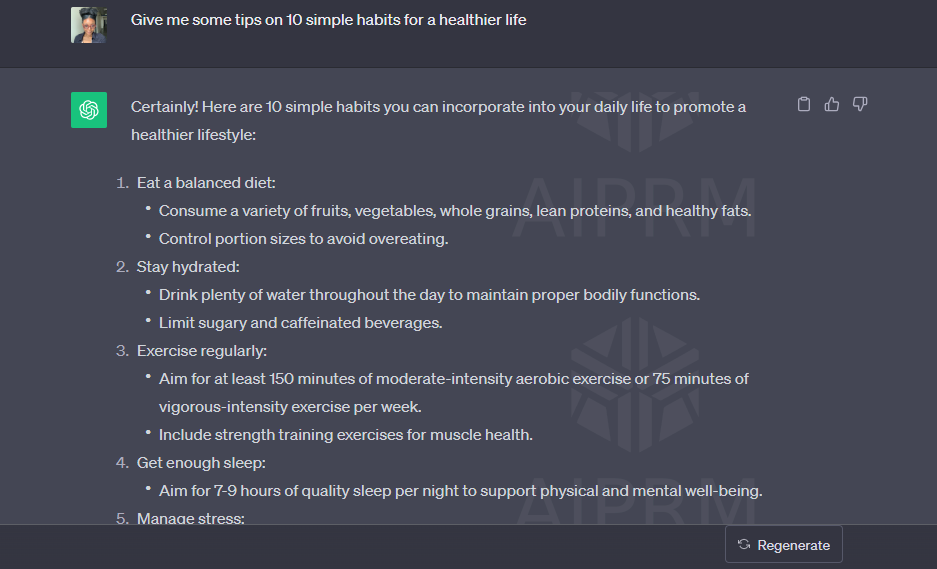
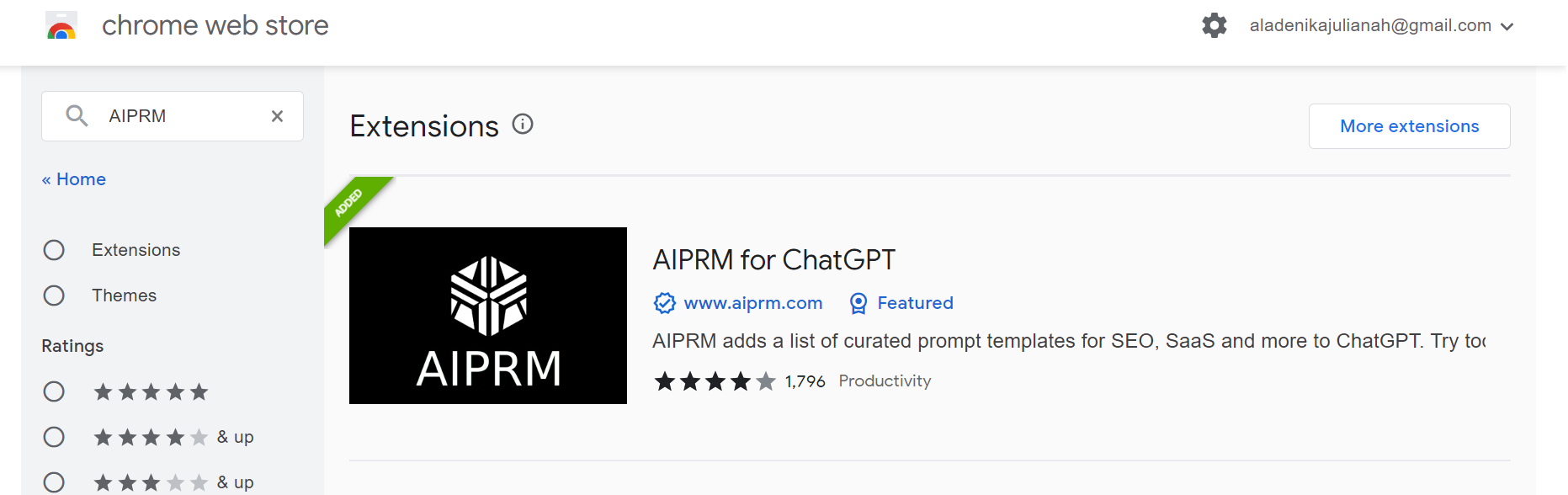
Have you ever wondered how ChatGPT can be of help in many ways? this is a way to find out! Hey, fellow content creators!  Are you tired of staring at a blank screen, waiting for inspiration to strike? Well, fear not, because I have got a secret weapon to share with you – ChatGPT! This AI-powered tool is here to save the day, by helping you generate content faster and more efficiently. So, grab your notepad and pen, and let’s go into some tips for making the most of ChatGPT. How to use ChatGPT   1. Start with a Clear Idea   Before you even open ChatGPT, make sure you have a clear idea of what you want to create or what you want to write, drafting it down on a note or virtually won’t be a bad idea. Whether it’s a blog post, a product description, a YouTube title, or a marketing email, having a well-defined topic or objective in mind will make the process easier and smoother. Think of it as giving your AI assistant a roadmap to follow to come up with what you want.   2. Craft a Thoughtful Prompt   Crafting a thoughtful prompt is essential because your conversation with ChatGPT begins with a prompt, so make it count. A good prompt is specific and concise. It tells ChatGPT AI exactly what you’re looking for. For example, if you are writing a lifestyle blog, try a prompt like, “Give me some tips on 10 simple habits for a healthier life” The more precise your prompt, the better ChatGPT can assist you. Understanding how prompt engineering works is essential in crafting better prompting because it is a technique used in natural language processing (NLP) and artificial intelligence to design and formulate effective prompts or queries when interacting with language models like ChaGPT. It involves crafting instructions, questions, or statements in a way that elicits the desired information or response from the model. Prompt engineering is an essential skill when working with language models like me. It helps you maximize the model’s capabilities and obtain the most accurate and relevant information or responses for your specific use case.     3. Iterate and Refine   ChatGPT is like a brainstorming buddy that never gets tired. Don’t be afraid to experiment with different prompts and ideas if the first response doesn’t quite hit the mark, iterate and refine your prompt. Keep the conversation going until you’re satisfied with the content it generates for you. 4. Use System and User Responses Together   ChatGPT uses both system responses (neutral and informative) and user responses (your input) to generate content. You can mix and match these to get the best results. For instance, you can start with a system response and then add your creative touch with a user response. It’s like having a writing partner to bounce ideas off.   5. Edit and Polish   While ChatGPT can create content quickly, it’s important to remember that it’s just the first step. Be sure to complete the editing and polishing phase. Review the generated content for clarity, grammar, and consistency. You are the final judge of quality, and your personal touch can make all the difference.   6. Maintain Originality   When using ChatGPT, it’s easy to fall into the trap of copying and pasting the generated text as is. But remember, originality matters. Plagiarism is a no-no in the content world. So, take the time to rephrase and customize the content to make it truly your own, and after writing, to check for plagiarism use duplicker.com, it will show you where you need to rephrase if there is any.   7. Fact-Check and Verify   ChatGPT is a brilliant content generator, but it’s not infallible and not perfect It’s always a good practice to fact-check the information provided and verify its accuracy. Don’t let a small error slip through the cracks and tarnish your credibility.   8. Stay Updated   The world of AI is constantly evolving. Keep an eye on updates and improvements to ChatGPT. New features and capabilities are being added regularly, so staying up-to-date can help you get the most out of this tool. For example, there is an extension of ChatGPT which is AIPRM, which has more features and helps you give your prompts easier in tone and language. To add an AIPRM extension to ChatGPT: Go to the Google Chrome web store on your Google browser Search for AIPRM and click on it On the right you will see “Add to Chrome”, click and select Add extension Finally, sync your AIPRM with ChatGPT.   9. Experiment and Learn   Finally, don’t be afraid to experiment with ChatGPT. Try it out for different types of content, from blog posts to social media updates. The more you use it, the better you’ll become at harnessing its potential to generate content faster and more effectively.   So there you have it, some handy tips to help you bring your content creation process to life with ChatGPT. It’s like having a trusty writing sidekick at your disposal 24/7. Remember, practice makes perfect, so dive in, have fun, and let your creativity flow. Happy creating! Check and try out our platform Retink Media to learn more, also Visit Retink.io to take your social media strategy to the next level      

9 Secret Tips to Using ChatGPT to Generate Content Faster Read More »

Demystifying AI

Demystifying Artificial Intelligence 

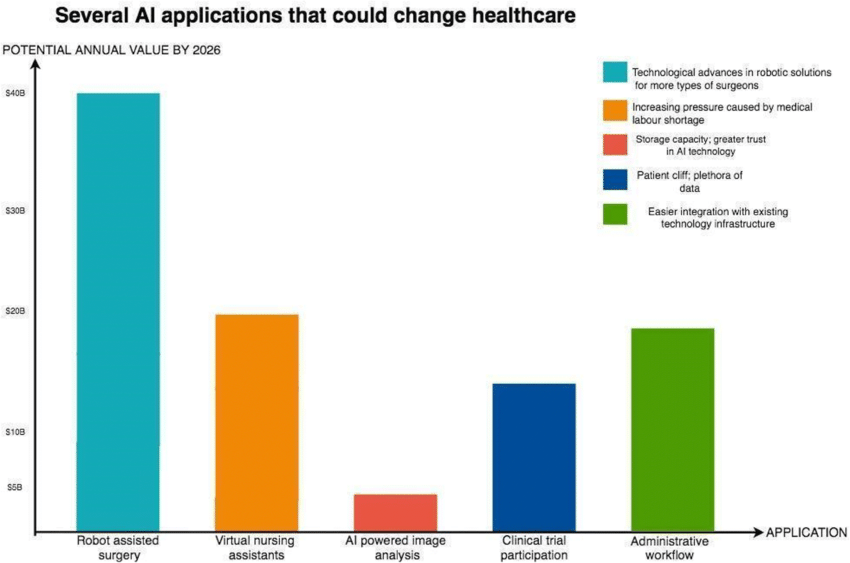
Artificial Intelligence (AI) might sound complicated, but it is something we encounter every day. It’s the technology that enables our smartphones to understand our voice commands, suggests movies we might like, and even drives some cars without a human driver. In this journey of demystifying AI, we’ll break it down into simple terms. We’ll explore what AI is, how it works, and how it’s changing our world. It’s not just robots and sci-fi stuff; it’s practical technology that’s becoming a part of our lives, isn’t it amazing? Let’s find out!   BRIEF HISTORY ON ARTIFICIAL INTELLIGENCE   According to Wikipedia “The history of artificial intelligence (AI) began in antiquity, with myths, stories and rumors of artificial beings endowed with intelligence or consciousness by master craftsmen. The seeds of modern AI were planted by philosophers who attempted to describe the process of human thinking as the mechanical manipulation of symbols. This work culminated in the invention of the programmable digital computer in the 1940s, a machine based on the abstract essence of mathematical reasoning. This device and the ideas behind it inspired a handful of scientists to begin seriously discussing the possibility of building an electronic brain.”   WHAT IS ARTIFICIAL INTELLIGENCE?   Artificial intelligence (AI) refers to the capability and ability of a computer or machine to perform tasks that typically require human intelligence. These tasks include things like learning from experience, understanding natural language, recognizing patterns, making decisions, and solving problems. In simpler terms, AI is the science of creating computer programs or systems that can think and act intelligently, similar to how humans do, even though they are not conscious or self-aware.   IMPORTANCE OF ARTIFICIAL INTELLIGENCE IN OUR WORLD TODAY   It enhances Cyber security, in this digital age: AI is crucial for identifying and reducing Cyber Security threats by continuously monitoring networks, detecting anomalies, and responding rapidly to protect sensitive data. Enhances healthcare diagnosis and treatment: in healthcare, AI assists medical professionals by analyzing patient data, medical images, and research to make more accurate diagnoses and recommend effective treatment strategies, ultimately saving lives. It improves efficiency in various industries: Its importance lies in its ability to optimize workflows and operations across industries, leading to cost savings, increased productivity, and improved competitiveness. Automates repetitive tasks: AI automates repetitive and time-consuming tasks, allowing humans to focus on more creative and complex aspects of their work, increasing efficiency and reducing errors.   APPLICATION OF AI IN VARIOUS FIELDS   AI in Healthcare: Artificial intelligence has made significant strides in the healthcare industry. It is being used for tasks such as disease diagnosis, medical image analysis, and drug discovery. Machine learning algorithms can analyze vast amounts of medical data to identify patterns and trends.        Source: ResearchGate   AI in Finance: The financial sector has embraced AI to enhance decision-making and risk management. AI algorithms can analyze market data in real time, predict stock trends, and optimize trading strategies. Machine learning models are used for credit scoring, fraud detection, and customer service chatbots. AI in Supply Chain: AI plays a crucial role in streamlining supply chain operations. Predictive analytics and machine learning are used to forecast demand, optimize inventory management, and reduce logistics costs. AI-powered systems track and monitor shipments, enabling real-time visibility and proactive issue resolution. This results in improved efficiency and reduced supply chain disruptions. AI in Education: In the education sector, AI has the potential to personalize learning experiences. Adaptive learning platforms use AI algorithms to assess students’ strengths and weaknesses, tailoring educational content to their needs. These are just a few examples of how AI is transforming various fields, revolutionizing industries and improving efficiency, decision-making, and customer experiences across the board.   ADVANTAGES OF AI   AI is available round the clock, never needing breaks, and excels at multitasking. Digital assistants are used by advanced companies for user engagement and content delivery, sometimes blurring the line between human and AI interaction. AI makes unbiased, rational decisions, avoiding emotional influences, leading to more accurate choices.   DISADVANTAGES OF AI   Job Displacement: Automation through AI can lead to job losses in certain industries, especially those that rely on routine tasks. Privacy Concerns: AI can be used to invade personal privacy through surveillance and data mining, raising ethical and legal questions. Security Risks: AI can be vulnerable to attacks and hacking, potentially leading to data breaches and malicious use.  High Costs: Developing and implementing AI technologies can be expensive, limiting access for smaller organizations and countries. Dependence on Technology: Over Reliance on AI can reduce human skills and decision-making capabilities.  Read more here    FREQUENTLY ASKED QUESTIONS ABOUT AI    Is AI safe?  AI safety is a concern, especially with the development of powerful AI systems. Researchers and organizations are working on safety measures and ethical guidelines to mitigate risks associated with AI. What are the main AI technologies? Natural language generation, speech recognition, virtual agents, machine learning platforms, AI optimized hardware, decision management, deep learning platforms, biometrics, robotics automation, text analysis, cyber defense, compliance, knowledge worker aid, content creation, emotion recognition, image recognition and marketing automation. Can artificial intelligence compete with human intelligence? “People will always be faster to adjust than computers because that’s what humans are optimized to do.” Can AI be regulated? Currently, AI remains largely unregulated, lacking oversight from any governing body, as it continuously advances and refines its machine-learning capabilities. Prominent tech leaders have made recent calls for the necessity of AI regulation and control. Read more here   CONCLUSION   Demystifying AI involves breaking down complex concepts into understandable components. AI is a powerful tool with huge potential, but it’s not magic. It’s built on data, algorithms, and models, and it learns from experience. Understanding these fundamental aspects of AI can empower individuals and society to make informed decisions about its use and impact.  As AI continues to evolve, it’s essential to engage in ongoing conversations about its ethical implications and ensure that it benefits humanity as a whole.   REFERENCED ARTICLES    Duggal,

Demystifying Artificial Intelligence  Read More »

social, media, manager-1966030.jpg

How to Accelerate Your Content Creation Process with AI-Powered Tools from Ideas to Execution

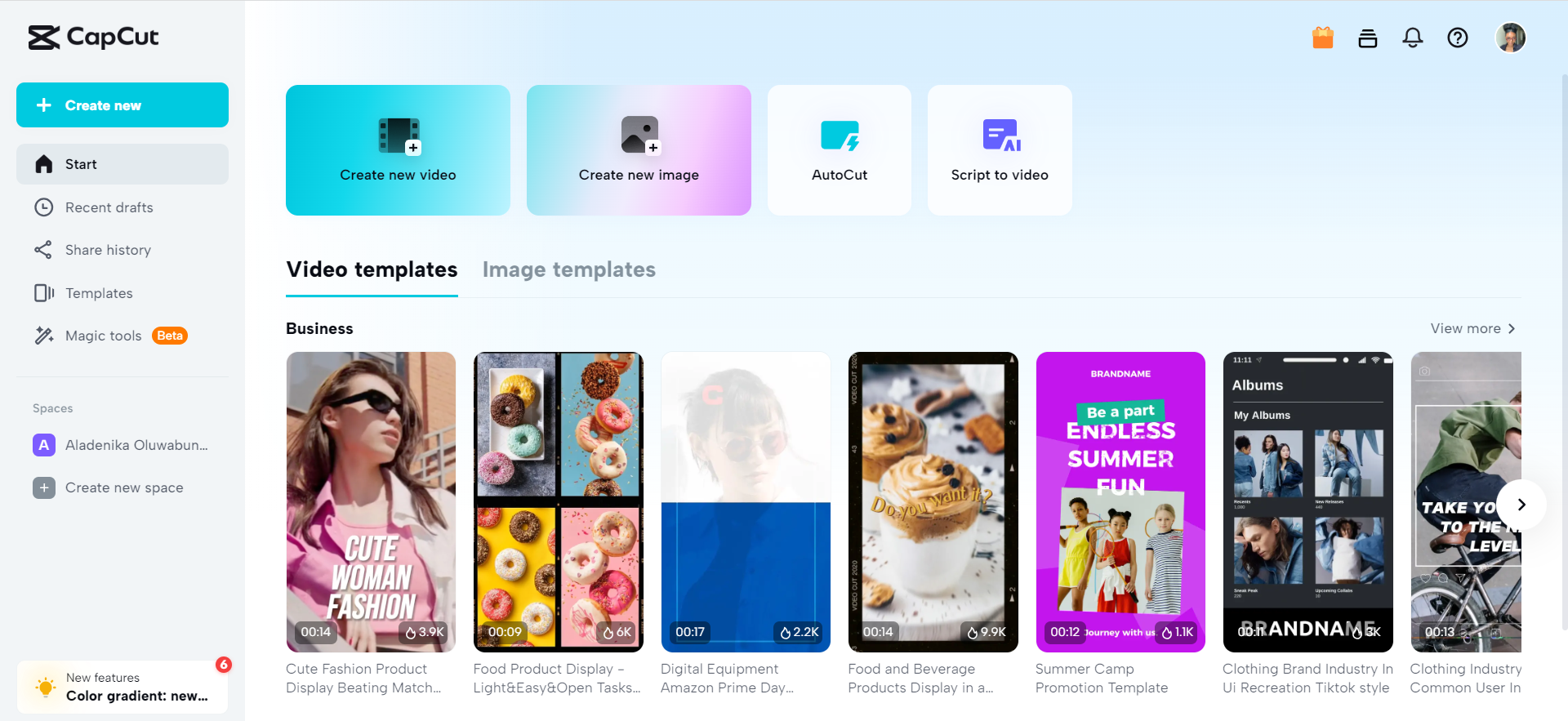
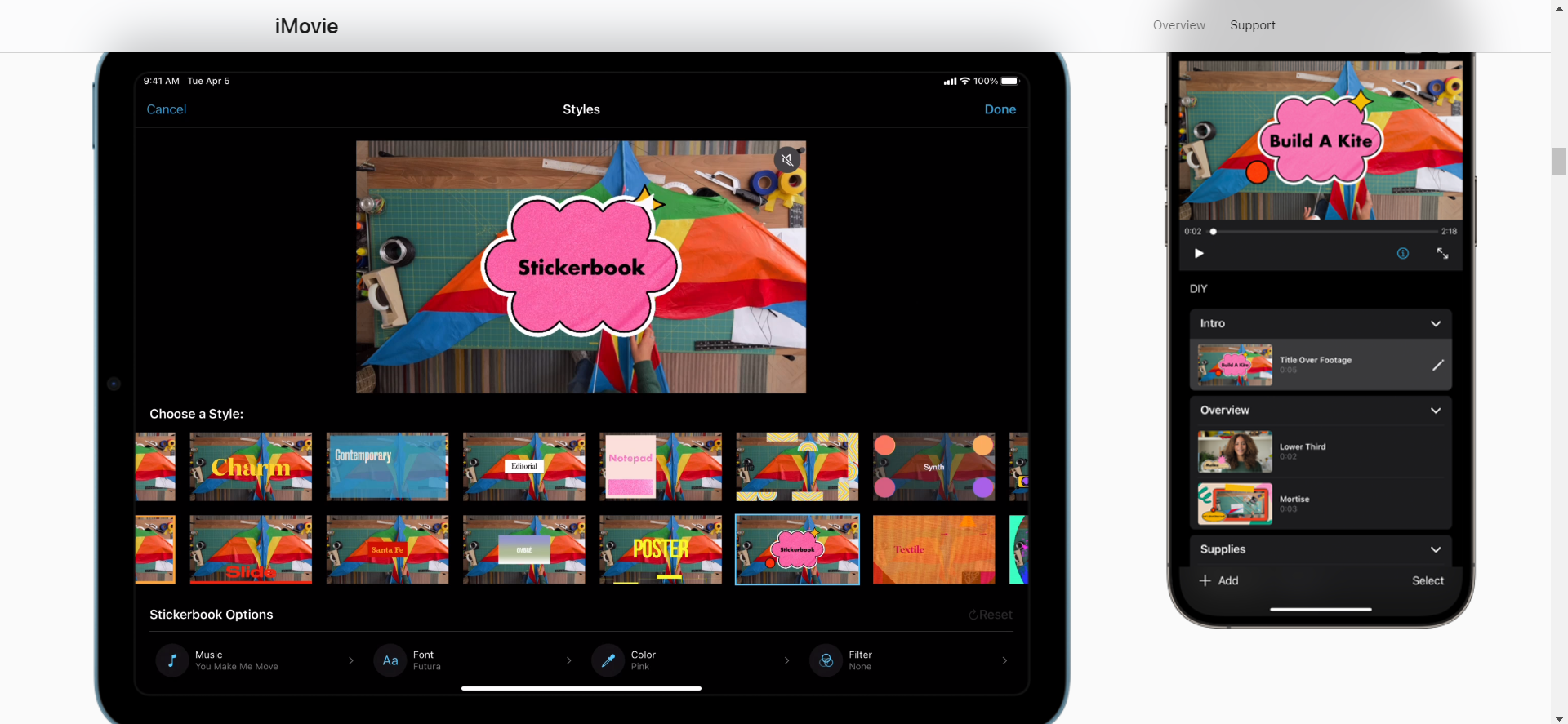
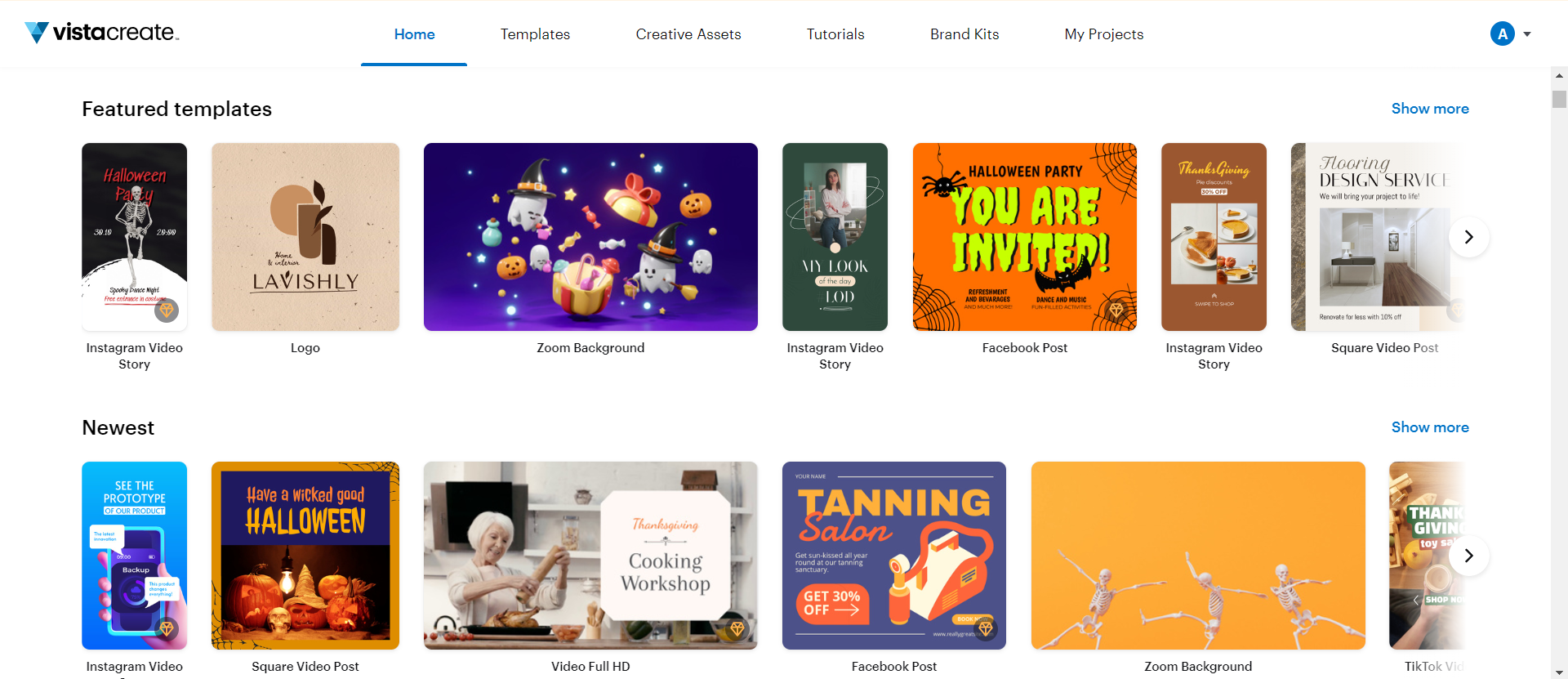
Have you heard about AI-powered content? It’s not just a buzzword; it’s a game-changer in the world of content creation! Are you tired of spending countless hours brainstorming, researching, and crafting content for your blog or website? Well, in this post, we would introduce AI-powered tools that will revolutionise your content creation process from ideation to execution. Gone are the days of writer’s block and tedious research – with the help of artificial intelligence, you’ll be able to speed up  your content creation like never before. We’ll explore how these cutting-edge tools can transform the way you produce compelling articles, enticing videos, captivating social media posts, and much more. Get ready to unleash the power of AI and take your content creation to new heights! Introduction to AI-Powered Content Creation Artificial Intelligence (AI) plays a role, in this context. Technological advancements have led to the emergence of AI powered tools that revolutionise the field of content production. These tools leverage algorithms and machine learning to help creators in generating concepts, crafting text and optimising content for search engines. Ultimately they streamline the process of content creation. What exactly does AI driven content creation entail? How does it work?. What advantages can it bring to your business or personal brand? We will delve into these inquiries and provide you with a grasp of the potential of AI in speeding up your content creation activities. What is Content AI? Content AI, or Content Artificial Intelligence, is an amazing technology that is transforming the way we create content. It’s like having a super-smart writing assistant at your fingertips, 24/7! For instance a tool powered by natural language processing (NLP) can analyse data pertaining to a subject or field and produce appropriate keywords. How Does it Work? AI powered algorithms and machine learning techniques are used by Content AI to analyse data, comprehend context and produce top notch content at high speed. This content includes blog posts, social media updates, product descriptions and much more all achieved with top speed and precision! Content AI is powered by technologies such as Natural Language Processing (NLP), Natural Language Generation (NLG), Machine Learning (ML), and Deep Learning (DL). These technologies are used to automate various aspects of the content creation process. These advanced algorithms allow computers to mimic human language patterns, identify patterns in data, and learn from past experiences – all without human intervention. Why Should You Care? There are numerous benefits to using AI-powered tools for content creation, and these benefits can greatly enhance the efficiency and effectiveness of your content creation process. In this section, we will delve deeper into the various benefits of using AI in your content creation workflow. Benefits of Using AI-powered Tools for Content Creation  Save Time: With content AI you can say goodbye to writer’s block! Content AI helps you create content faster, so you can focus on what matters most. Content AI automates content creation, curation, and optimisation tasks, significantly reducing the time required for content production and management.   Consistency: You can achieve a consistent tone and style across all your content pieces. Using content AI ensures consistency in content production by automating tasks, maintaining uniform quality, and adhering to predefined schedules, allowing you to maintain a reliable and regular posting schedule.    Quality: Get top-notch content that engages your audience and drives results. Content AI enhances content quality by providing valuable insights, generating engaging content, and optimising for SEO, resulting in more relevant and valuable information for your audience.   SEO Boost: Optimise your content for search engines and improve your online visibility. Content AI can improve SEO by generating optimised, keyword-rich content that ranks higher in search engine results, increasing visibility and driving organic traffic to your website.   Efficiency: AI-powered tools increases efficiency in content creation. With advanced algorithms and machine learning capabilities, these tools are able to automate various aspects of the content creation process such as researching, writing, editing, and proofreading. This not only saves time but also allows you to focus on more important tasks like strategy and creativity.   Accuracy: Another benefit of using AI in your content creation is improved accuracy. As humans, we are prone to errors and oversights, especially when dealing with large amounts of data. However, AI-powered tools are designed to meticulously analyse data and produce error-free results consistently. This leads to a more polished and professional final product that is free from grammar or spelling mistakes.   Enhanced Insights: Content AI tools have the ability to gather deep insights into your target audience’s behaviour and preferences through analysing their engagement patterns with specific types of content across different platforms. This can help you tailor your content accordingly for maximum effectiveness.   Personalisation: With AI-powered tools, you can personalise your content at scale by creating unique pieces that cater specifically to each individual user’s needs based on their previous interactions with your brand or business. Types of AI-powered Content Creation Tools: Text, Image, and Video In recent years, technology has seen an unprecedented growth in the field of artificial intelligence (AI). This advancement has also had a significant impact on content creation, making it faster, more efficient, and even more creative. With the help of AI-powered tools, creators and marketers are now able to produce high-quality content in less time. There are various types of AI-powered content creation tools available today that cater to different forms of media. Let’s take a closer look at three popular categories – text, image and video – and their respective capabilities: Text Creation Tools: Text is one of the most common forms of content used by businesses and brands. However, creating well-written text can be time-consuming and boring. This is where AI comes in with tools such as natural language generation (NLG) software. NLG uses algorithms to analyse data and generate human-like text for articles, reports, product descriptions and more. By using NLG software like Wordsmith or Quillbot, writers can create large volumes of high-quality content in little time

How to Accelerate Your Content Creation Process with AI-Powered Tools from Ideas to Execution Read More »

Benefits of AI*-Driven Content Creation Tools

7 Benefits of AI-Driven Content Creation Tools

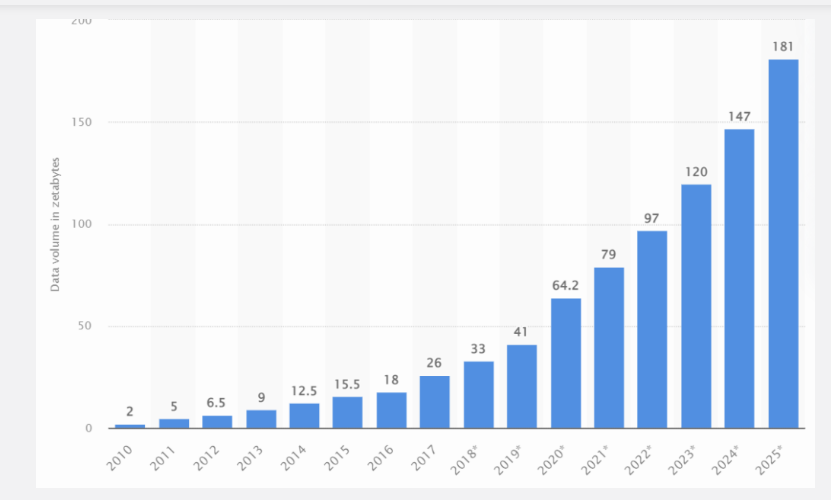
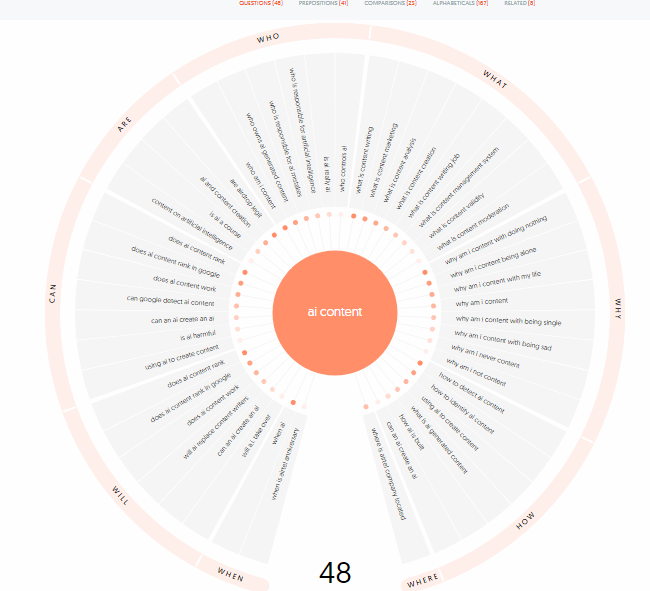
The task of creating customer-centric content for a multitude of starving audiences by the content chief of your business content marketing team gets harder and harder. The reason for this difficulty arises from the increased demand for high-quality, fully optimized and well-customized content to tend to the need of target customers. In this blog post, you will learn the benefits of using AI-driven content creation tools to meet the demands of your brand’s target audience. So, sit tight and enjoy reading. Content Creation Challenges Faced by Brands. According to Statista,  the rate of data creation globally has been forecasted to grow as high as 180 zettabytes by 2025. It will become very hard for businesses to easily meet up with this data and content creation rate with just the help of a small team of content creators and their chief.  It becomes even more expensive for your brands if they start to consider employing the services of more freelance writers and content agencies. The demand for quality content consistent with your brand’s identity, tone or voice becomes a big issue because these freelancers and agencies would find it hard to adjust to your brand’s style of content. There is also the problem of managing these content agencies and freelance writers as your demand for different content options and desires increases. These difficulties go as far as affecting how well your brand ranks on search engine result pages as the quality of content posted on your brand’s website or blog determines how well the pages will rank on search engines. Thorough content optimisation for search engine ranking requires the need of a careful content process, accurate competitive analysis and extensive keyword research. Using AI-Driven Content Creation Tools The era of artificial intelligence and machine learning introduced the use of AI-driven content creation tools to tackle the high rate of content demand. These tools help brands deal with the speed at which a brand creates well-customized content while maintaining the brand’s identity, tone and voice. AI-driven content also has a high rate of ranking on search engines as it is able to accurately answer the search intent of the audience by carrying out a detailed research about the target audience, matching the content with the primary and related keywords that may show up when a search query is logged in on a search engine. It has been proven that results achieved by AI-driven content tools surpasses the result achieved by the content created by humans. According to the report from Toms hardware, 75% of Americans were outdone by AI in intelligence assessment tests.  The reason is simple. Content creation involves the use of creative and scientific means in achieving the content goals of a brand. The content goals of a brand could be: All of these goals require the skilful application of creative(human ideas that can connect with an audience) and scientific methodologies(result-oriented processes that involve thorough research, keywording, optimization and targeted dissemination of content in the right media). When it comes to the scientific aspect of content creation, artificial intelligence tools do better than humans. This can be seen in how brands today employ the use of advanced SEO optimisation tools like Moz, Semrush and Ahrefs to supercharge their content keyword research. This ability of AI to process and analyze content data is very useful in generating customized user content. The potential for AI in effective content marketing campaigns and customer satisfaction is a very vast goldmine. So let’s take a quick peep at the benefits of AI-driven content creation tools. Benefits of AI-Driven Content Creation Tools The benefits of AI-driven content creation tools cuts across their usefulness in data gathering, competitive analysis, ideation, content personalisation, improved SEO optimization and much more. Now, let’s dive straight into it.  The use of AI in content creation comes with its ability to research the internet and suggest content ideas, topics and keywords that are ranking well in your brand’s niche. A very good example is the use of ideations tools like answerthepublic.com to analyze data and topics trending on a particular keyword. In a nutshell, content creation using AI-driven tools has become one of the greatest gifts to the content marketing industry as it has made content creation processes much smoother, faster, more efficient and more strategic. It helps in making sure that every angle of the content generation, optimization and dissemination processes is covered.

7 Benefits of AI-Driven Content Creation Tools Read More »