Best Content Marketing Tools to Prevent Digital Campaign Failure
Host: Hello, hello, my lovely AI family! Happy New Year, fam!
We’re back at it again. Want a drink, or should we stay locked in and make sure this campaign actually succeeds? Haha!
If you’re just joining us, welcome to Talk AI Time with the rai Blog Show! the Pulse of the AI Revolution. This is where we break down AI without the techfluff. Real stories. Smart content marketing talk. Here, you will get practical lessons you can actually use in your work, your campaigns, and your daily content flow. And of course, a little AI mischief from raiRetink’s ever-reliable (and slightly cheeky) tech mascot.
Today, we’re digging into a topic every content creator, SME owner, and content marketing manager has whispered under their breath at least once.
Content marketing tools. Does that ring a bell? Well, we’ve all heard of content marketing tools. However, only a few realise how the wrong ones can quietly sink a campaign.
Because if we are being truthful, marketing campaigns don’t fail overnight.
No. They fail when work is scattered, deadlines slip, and things don’t get finished on time.
Haha! and don’t even start on the scattered analytics sheets that no one has time to check. This is exactly why the right tools are so important.
rai: Woof woof! Agreed, you really got the ball rolling. Happy New Year!
And as always, you’re right. Let’s talk about tools and how to stop them from giving you headaches.
Host: Ohh, rai! These multiple tools make me want to jump and wail. Like you always say, most people rush into content creation without a clear process. They forget that planning, analytics, and distribution are the real backbone of success.
Host: Just one missing tool, or the wrong one, can send weeks of work spiralling into digital campaign failure. Whew!
rai: Especially planning tools. That’s where it all should start.
Planning Tools: Where Most Campaigns Quietly Collapse
content marketing with simplecx
Host: Okay, let’s say you have the idea, maybe even a strategy, but your planning tools are scattered. Ever been there?
rai: Totally. Planning is the blueprint. If you miss audience insights, topic research, or a content schedule, your campaign can fail before it even starts.
These platforms help guide topic research, spot trends, and build a plan that actually works. But you’ll find many competitors skipping this step, you know, and just rushing to the final output. Sadly, their campaigns end up paying the price.
Host: Nodding, I agree. Once the plan is clear, content creation begins. And at this stage, momentum is either built or completely broken. Let’s talk about the creation tools. The moment ideas meet reality.
Creation Tools: Where Momentum Is Made or Broken
rai: Yes, And reality often comes with too many tools. Writers, designers, video editors, and approval boards…all separate, all fighting for attention.
Host: And this is also when you find brand voices slipping. The tone becomes inconsistent. Deadlines stretch. And the campaign? Well… it’s alive, but quietly failing.
rai: Luckily, this is where tools like simplecx come in handy. I’m built right inside simplecx to guide you from the moment you log in. You come in with one idea, and I help you shape it step by step.
That one idea can turn into a blog post, a short video script, social media captions, and even an email, all from the same dashboard. No switching between tools. No copying and pasting. No losing your flow.
Behind the scenes, strategicx works with your data by helping you shape smart strategies and gives you insights to improve your content.
So while I guide you through creating and publishing, strategicx supports the strategy in the background. Together, we help you move from idea to published content, smoothly and in one place.
This way, your brain gets to relax.
Host: Wow, that’s a lot for one tool!
rai: And that’s not all. We keep your brand voice consistent across every channel – Instagram, LinkedIn, TikTok, you name it. Your tone, personality, and style stay unmistakably yours.
Host: Come on, rai. Are you saying simplecx is the jack of all content creation?
rai:Try it for yourself, and you’ll be back here saying goodbye to all those tabs. Woof! Woof! Plus, it’s not just about creating content; knowing when and where to share it matters just as much.
Distribution and Scheduling Tools: Timing Is Everything.
Host: Let’s talk about timing.
rai: Content doesn’t just need to exist; it needs to be seen.
Host: Can you be more specific? What does that actually mean?
A content creator confused about best time for content marketing
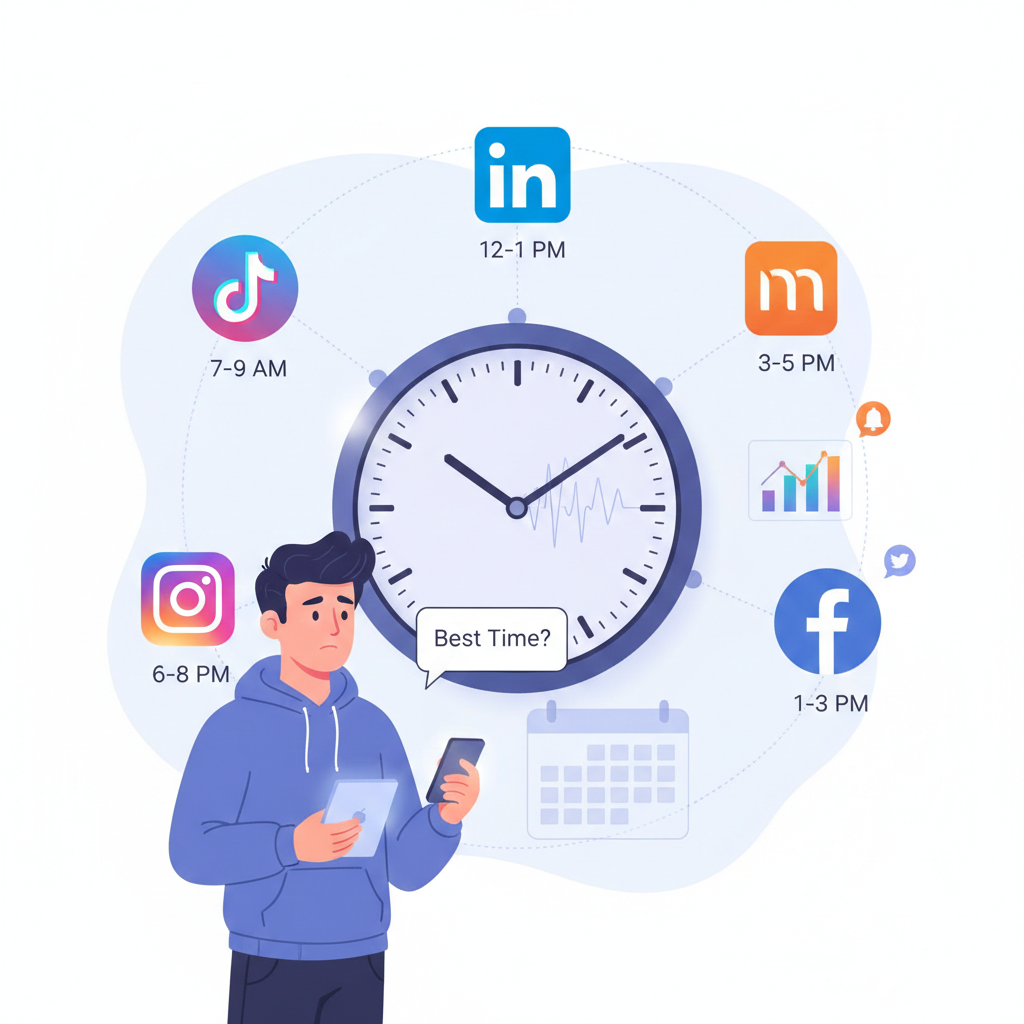
rai: Well, it simply means if you’re guessing posting times. Facebook in the morning, Instagram in the afternoon, and TikTok in the evening. Posting like that is how things spiral out of control.
It’s also the reason why most campaigns fail. since teams manage multiple platforms separately. And when you miss the right posting window, leads vanish.
Host: So what is the solution rai?
rai: Analytics-driven scheduling. Tools that tell you exactly when your audience is awake and scrolling. Less guesswork, more strategy. Host: That’s new! I’d love to hear more.
Analytics Tools: Measuring What Matters
Host: Okay, so let’s say your posts are live, but how do you know they’re working?
rai: Most content marketers drown in dashboards. Metrics everywhere, clarity nowhere.
Host: Right. So what you are saying is that the key is connected analytics. Like one dashboard that shows what’s performing, why, and what to do next?
rai: Yes. That’s the kind of insight simplecx provides, turning chaos into clear, actionable data.
rai: So instead of exporting reports endlessly, you get the time to decide, act, and optimise. Fast, simple, smart.
Host: That sounds like a plan.
All-in-One Platforms: The Secret to Avoiding Failure
rai: It sure is. Here is the thing: Whenmarketing systems can’t share data, you don’t just lose convenience; you lose visibility, automation efficiency, and cohesive campaign reporting
Therefore, one platform that unifies planning, creation, scheduling, and analytics stops the leaks. Less switching and more flow.
Host: Exactly. That’s why SMEs, startups, and digital creators are turning to all-in-one solutions. simplecx isn’t just another tool.
It’s everything you need for content marketing in one platform.
And right now, when you sign up, you get 400 free credits to explore the platform and see how it fits into your workflow.
So if you’ve been thinking about simplifying your marketing process, this is a great time to take advantage of that early access benefit.
rai: One dashboard. One login. One place where your campaigns finally breathe.
Host: So, the takeaway? rai: Stop piling on disconnected apps. Focus on content marketing tools that integrate, automate, and simplify. Don’t let fragmentation make you fail.
Host: Wow, thanks! That’s simple, clear, and actionable. And yes, simplecx gives you a head start: faster creation, a consistent voice, and analytics that actually make sense, all from one dashboard.
And to our readers, that’s how you stop digital campaign failure before it even begins.
Host: Before we roll out, here are some quick FAQs from rai.Are we set?
rai: Let’s roll!
Q1: Why do campaigns fail often? A: Most failures happen because marketing tools don’t talk to each other, creating data silos and fragmented workflows.
Q2.How can tools improve efficiency? A: Integrated tools automate tasks, streamline processes, and keep your content consistent across all channels.
Q3: What makes simplecx different?
A: simplecx combines content creation, design, video, scheduling, and analytics in one dashboard; no app-hopping need
Host: And that’s a wrap. If there’s one thing to take away today, it’s this: campaigns don’t fail because of a lack of effort; they fail when tools slow teams down.
Simplify your stack, connect your workflows, and let your ideas move faster. With simplecx, you’re already one step ahead.
Until next time, keep creating smarter, not harder.
Artificial intelligence (AI) is transforming the marketing sector rapidly, and content marketing is not out of the picture. Thankfully AI can be used to automate many tasks, analyse data, and create personalised content, which can help you achieve your content marketing without stress.
To move your business forward, improve performance and increase sales, register for our workshop on Retink Workshop
Want content strategy information but don’t have the budget for it? DownloadThe Ultimate Guide to Leveraging Content AI for free to learn how to catapult your business to the next level.
What is Artificial Intelligence?
Artificial intelligence (AI) refers to the capability and ability of a computer or machine to perform tasks that typically require human intelligence. These tasks include things like learning from experience, understanding natural language, recognising patterns, making decisions, and solving problems.
In simpler terms, AI is the science of creating computer programs or systems that can think and act intelligently, similar to how humans do, even though they are not conscious or self-aware.
What is Content Marketing?
Content marketing refers to a strategic marketing approach that is focused on the creation and distribution of valuable, relevant, and consistent content to attract and retain your audience also to drive profitable customer satisfaction.
The primary aim of content marketing is to provide information or entertainment to the audience, build brand awareness, establish trust, and ultimately drive profitable customer action.
A few types of content marketing include blog posts, social media posts, videos, email newsletters and infographics.
Content marketing is an effective and affordable way to market your business. By creating and sharing valuable content, you can attract and retain customers, improve your brand reputation, and boost your sales.
Ways to Implement Artificial Intelligence in Content Marketing
Content Creation
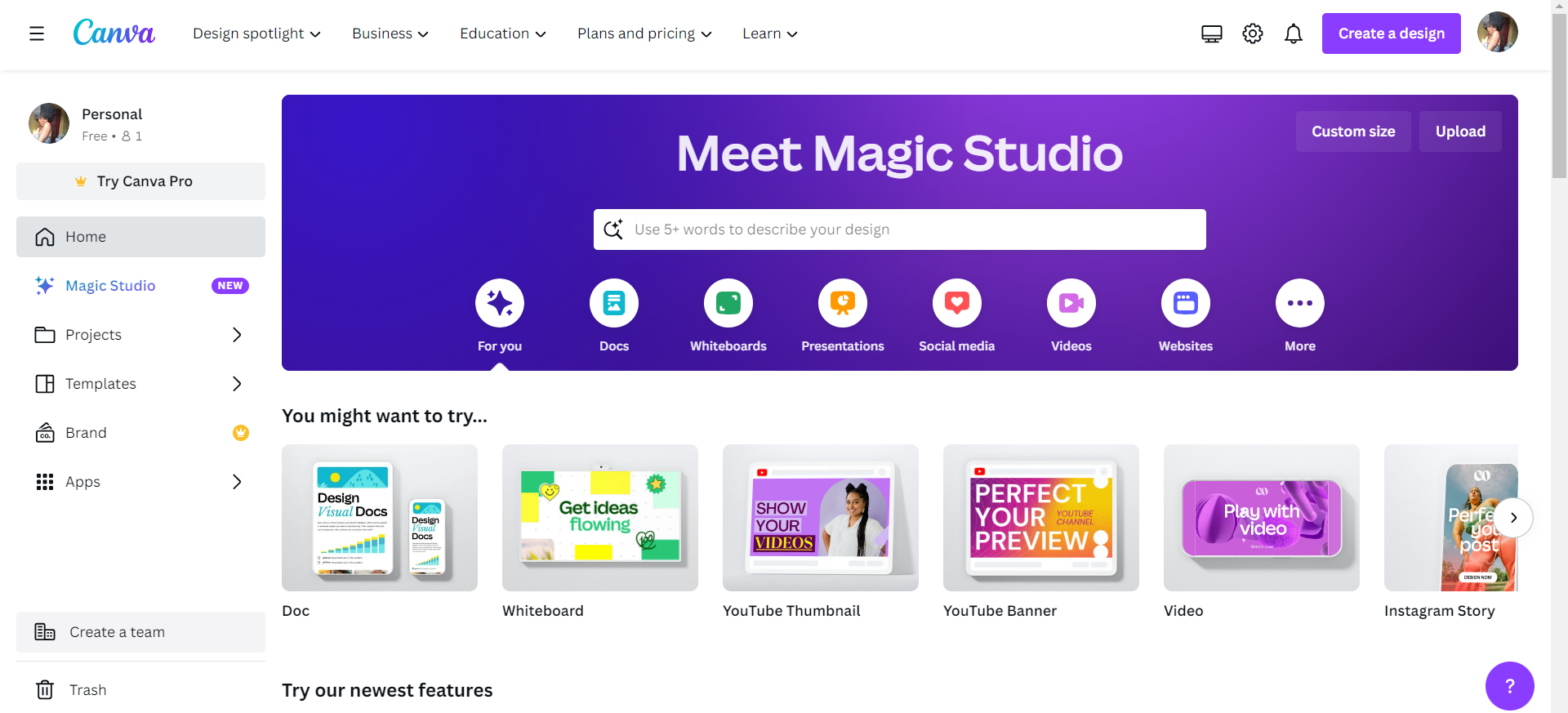
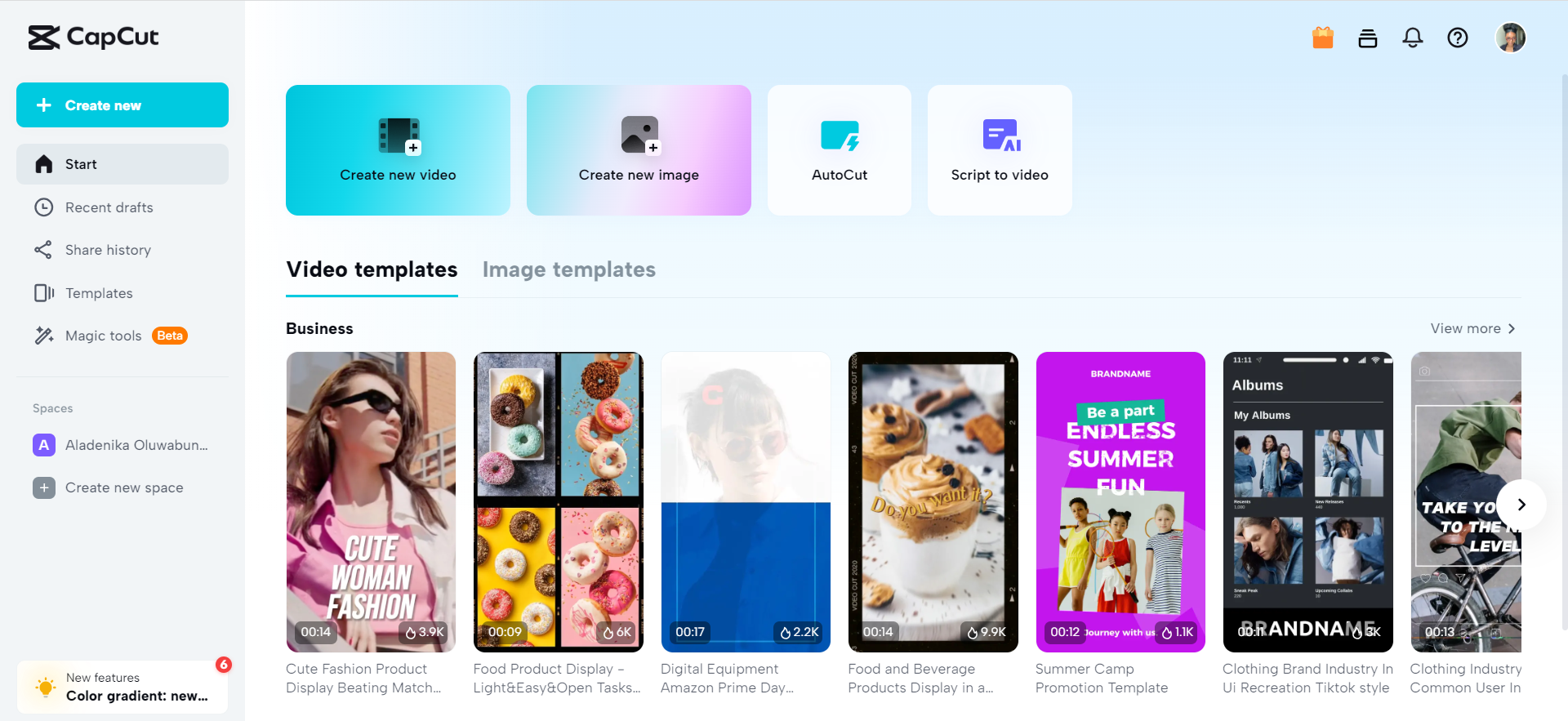
AI can be used to create a variety of content, including blog posts, articles, social media posts, and even videos. There are a number of AI-powered content creation tools available, such as Copy.ai, ChatGPT, and murf ai. For creating captivating videos on social media you can use Canva, capcut, FilmoraGo etc. These tools can help you brainstorm ideas and create content.
Content Optimisation (SEO)
AI can also be used to optimise your content for SEO (search engine optimisation). AI-powered SEO tools can help you research keywords, identify gaps in your content, and optimise your content for search engines. Examples of these tools are Google Analytics, Answer the Public, Ahrefs webmaster tools etc. This can help you improve your website’s ranking in search results and drive more traffic to your site.
Content Personalisation
AI can be used to personalise your content for individual users. This can be done by using AI to analyse user data, such as their browsing history, purchase history, and demographics. This information can then be used to create personalised content recommendations, such as blog posts, articles, and products.
Content Distribution
AI can also be used to distribute your content more effectively. AI-powered content distribution tools can help you identify the best channels to distribute your content, such as social media, email, and paid advertising. These tools can also help you schedule your content for publication and track its performance.
Content Analytics
AI can be used to track the performance of your content and identify areas for improvement. AI-powered content analytics tools can track metrics such as website traffic, social media engagement, and lead generation. Examples of these tools are automated insights, acrolinx, etc.
This information can then be used to improve your content strategy and create more effective content.
To move your business forward, improve performance and increase sales, register for our workshop on Retink Workshop
Want content strategy information but don’t have the budget for it? DownloadThe Ultimate Guide to Leveraging Content AI for free to learn how to catapult your business to the next level.
Benefits of using Artificial Intelligence in Content Marketing
Increased Efficiency and Productivity:
AI automates various repetitive tasks involved in content creation and distribution. This includes tasks such as data analysis, trend identification, and even content generation.
By automating these processes, AI allows marketers to focus on more strategic and creative aspects of their work.
This not only speeds up the content creation process but also ensures that resources are allocated more efficiently.
Improved Content Quality:
AI tools can analyse vast amounts of data to understand audience preferences, trends, and engagement patterns.
This data-driven approach enables marketers to create content that is more targeted and relevant to their audience.
AI algorithms can also assist in optimising content for search engines, ensuring that it meets the criteria for high visibility. As a result, the overall quality of the content is improved, leading to higher engagement and customer satisfaction.
Wider Reach:
AI helps marketers personalise content at scale, tailoring it to the specific interests and preferences of individual users. This level of personalisation enhances user experience and increases the likelihood of audience engagement.
AI-powered tools can also identify the most effective channels for content distribution, ensuring that the right content reaches the right audience at the right time. This broader and more targeted approach contributes to expanding the reach of content marketing efforts.
Lower Costs:
While the initial investment in AI technology may seem significant, the long-term cost savings are substantial. Automation reduces the need for manual labour in tasks like data analysis, allowing marketers to accomplish more with fewer resources.
Additionally, the efficiency gained through AI can lead to faster time-to-market, optimising budget allocation and reducing overall operational costs. Over time, the cost-effectiveness of AI in content marketing has become increasingly evident.
Challenges of Artificial Intelligence in Content Marketing
Data Quality
AI is a machine, so the quality of the data used to train AI models is critical to their success. If the data is inaccurate or incomplete, the AI model will generate content that is similarly flawed. This can lead to a number of problems, including:
Incorrect information: AI models can be fooled by data that is incorrect or incomplete, leading to them generating content that is inaccurate or misleading.
Bias: AI models can reflect the biases present in the data they are trained on, leading to content that is discriminatory or offensive.
Unoriginality: AI models are only as good as the data they are trained on, so if the data is not sufficiently varied, the AI model will generate content that is unoriginal or repetitive.
Training Data
Training an AI model can be a time-consuming and expensive process. It requires a large amount of high-quality data, and the process of training the model can be computationally intensive. This can make it difficult for small businesses or organisations with limited resources to adopt AI for content marketing.
Interpretability
AI models can be difficult to interpret, even for experts. This can make it difficult to understand how the model is making decisions, which can lead to a number of problems, including:
Lack of transparency: It can be difficult to explain to stakeholders how AI models are making decisions, which can lead to a lack of trust in the technology.
Difficulty in debugging: It can be difficult to identify and fix problems with AI models, as it can be difficult to understand how the model is working.
Generalisation
AI models can have difficulty generalising to new situations. This means that they may not be able to generate content that is relevant to a new topic or audience. This can limit the usefulness of AI for content marketing, as it may not be able to be used to create a wide variety of content.
Change Management
Adopting AI for content marketing can require significant changes to existing processes and workflows. This can lead to resistance from employees, who may be concerned about their jobs or the quality of the content that is being produced. It is important to have a clear plan for change management in place before adopting AI and to communicate the benefits of the technology to employees.
Additional Tips for Implementing Artificial Intelligence in Content Marketing
Identify your Specific Goals
Before going into AI-powered content marketing, it’s crucial to establish clear and measurable goals. What do you hope to achieve by incorporating AI into your content strategy? Are you aiming to increase website traffic, generate more leads, boost brand awareness, or enhance customer engagement? Having well-defined objectives will guide your AI implementation and ensure that your efforts are aligned with your overall marketing objectives.
Choose the right AI Tools
The AI landscape is constantly evolving, offering excess tools and platforms tailored to specific content marketing needs. Take the time to research and evaluate various AI solutions, considering factors such as their capabilities, ease of use, pricing, and integration with your existing workflow. Choose tools that complement your current processes and address the specific challenges you face in content creation, optimisation, and distribution.
Examples of AI tools are Heyday, Midjourney, Chatgpt, JasperAI, Poscastle, etc. Do your research and find out the AI tool that fits your niche, then tailor it down to help you make your work easier.
Get Buy-In from Your Team:
AI implementation requires collaboration and support from your team. Educate your team about the benefits of AI in content marketing and address any concerns they may have. Encourage a culture of openness to new technologies and provide training to ensure everyone is comfortable with the tools. Team buy-in is essential for seamless integration and ongoing success.
Start Small and Scale Up
Begin your AI journey with a small, manageable project. This allows you to test the effectiveness of the chosen tools and make adjustments as needed. Starting small also minimizes potential risks and disruptions. Once you’ve gained confidence and observed positive results, gradually scale up your AI initiatives across various aspects of your content marketing strategy.
Continuously Measure and Improve
Regularly track the performance of your AI-powered content marketing efforts, analysing metrics such as website traffic, lead generation, and customer engagement. Use these insights to identify areas for improvement and adjust your AI strategies accordingly. Embrace a data-driven approach to AI optimisation, ensuring that your efforts are consistently aligned with your content marketing goals.
Conclusion
AI is a powerful tool that can be used to improve your content marketing efforts. By using AI to create, optimise, and distribute your content, you can reach a wider audience, improve your content quality, and achieve your marketing goals more effectively.
To move your business forward, improve performance and increase sales, register for our workshop on Retink Workshop
Want content strategy information but don’t have the budget for AI? DownloadThe Ultimate Guide to Leveraging Content AI for free to learn how to catapult your business to the next level.
Did you find this helpful? Kindly check and try out our platform Retink.io to learn more, also Visit Retink Media to take your digital marketing strategy to the next level.
Are you ready to take your marketing strategy to the next level? This blog post is for you because we’re going into the world of incorporating AI into your marketing strategy, and trust me, it’s a game-changer!
In the evolving landscape of digital marketing, staying ahead is essential for businesses striving to connect with their target audience. One technology that has emerged as a game-changer in this realm is Artificial Intelligence (AI).
Leveraging AI in your marketing strategy can significantly enhance efficiency, personalise customer experiences, and drive measurable results.
In this blog post, we’ll explore practical ways to Incorporate AI into your marketing strategy.
To move your business forward, improve performance and increase sales, register for our workshop on Retink Workshop
Want content strategy information but don’t have the budget for AI? DownloadThe Ultimate Guide to Leveraging Content AI for free to learn how to catapult your business to the next level.
Data-Driven Insights:
AI excels in processing vast amounts of data at unusual speeds, providing businesses with actionable insights. Start by collecting and organizing your customer data. Utilize AI tools to analyze this data, extracting valuable patterns and trends. These insights can inform your marketing decisions, allowing you to tailor campaigns based on customer behaviours and preferences.
Personalisation at Scale:
AI enables hyper-personalisation by creating individualised experiences for your audience. Implement machine learning algorithms to understand customer preferences, purchase history, and online behaviour. Leverage this information to deliver personalised content, product recommendations, and targeted advertisements. Personalisation not only enhances customer satisfaction but also increases the likelihood of conversion.
Chatbots and Virtual Assistants:
Integrate AI-powered chatbots into your website or social media platforms to engage with customers in real time. These intelligent bots can answer queries, provide product information, and even assist in the purchase process. By automating routine tasks, you free up human resources to focus on more strategic aspects of your marketing strategy.
Predictive Analytics:
Utilise the power of predictive analytics to anticipate future trends and customer behaviour. AI algorithms can analyse historical data to forecast potential outcomes, enabling you to make informed decisions. Predictive analytics can be particularly valuable in optimising ad spend, identifying high-value leads, and streamlining your marketing funnel.
Content Creation and Curation:
AI tools, such as natural language processing and generation, can assist in content creation. Automate the generation of blog posts, social media updates, and email campaigns. AI can also create content by analysing user preferences and suggesting relevant articles, videos, or products, ensuring that your audience receives content relating to their interests.
To move your business forward, improve performance and increase sales, register for our workshop on Retink Workshop
Want content strategy information but don’t have the budget for AI? DownloadThe Ultimate Guide to Leveraging Content AI for free to learn how to catapult your business to the next level.
Dynamic Pricing Strategies:
Implement AI-driven dynamic pricing to optimise your pricing strategy in real-time. Machine learning algorithms can analyse market conditions, competitor pricing, and customer behaviour to adjust prices dynamically. This not only helps maximize revenue but also ensures that your pricing remains competitive and responsive to market changes.
Facial Recognition in Marketing:
Explore the innovative applications of facial recognition technology in marketing. Use it for targeted advertising, event check-ins, or creating interactive experiences. Facial recognition can provide valuable demographic information about your audience, allowing you to further refine your marketing strategies.
Conclusion:
Incorporating AI into your marketing strategy is no longer expensive but it is a necessity in today’s competitive world. From data-driven insights to personalised customer experiences, the potential benefits are immense. Start small, experiment with different AI applications, and gradually scale up based on your business needs. Embracing AI is not just about adopting new technology but about future-proofing your marketing efforts and staying ahead in the race to capture the attention of your audience.
To move your business forward, improve performance and increase sales, register for our workshop on Retink Workshop
Want content strategy information but don’t have the budget for AI? DownloadThe Ultimate Guide to Leveraging Content AI for free to learn how to catapult your business to the next level.
Did you find this helpful? Kindly check and try out our platform Retink.io to learn more, also Visit Retink Media to take your digital marketing strategy to the next level.
Have you ever wondered how ChatGPT can be of help in many ways? this is a way to find out!
Hey, fellow content creators! Are you tired of staring at a blank screen, waiting for inspiration to strike? Well, fear not, because I have got a secret weapon to share with you – ChatGPT! This AI-powered tool is here to save the day, by helping you generate content faster and more efficiently.
So, grab your notepad and pen, and let’s go into some tips for making the most of ChatGPT.
How to use ChatGPT
1. Start with a Clear Idea
Before you even open ChatGPT, make sure you have a clear idea of what you want to create or what you want to write, drafting it down on a note or virtually won’t be a bad idea. Whether it’s a blog post, a product description, a YouTube title, or a marketing email, having a well-defined topic or objective in mind will make the process easier and smoother. Think of it as giving your AI assistant a roadmap to follow to come up with what you want.
2. Craft a Thoughtful Prompt
Crafting a thoughtful prompt is essential because your conversation with ChatGPT begins with a prompt, so make it count.
A good prompt is specific and concise. It tells ChatGPT AI exactly what you’re looking for. For example, if you are writing a lifestyle blog, try a prompt like, “Give me some tips on 10 simple habits for a healthier life” The more precise your prompt, the better ChatGPT can assist you.
Understanding how prompt engineering works is essential in crafting better prompting because it is a technique used in natural language processing (NLP) and artificial intelligence to design and formulate effective prompts or queries when interacting with language models like ChaGPT. It involves crafting instructions, questions, or statements in a way that elicits the desired information or response from the model.
Prompt engineering is an essential skill when working with language models like me. It helps you maximize the model’s capabilities and obtain the most accurate and relevant information or responses for your specific use case.
3. Iterate and Refine
ChatGPT is like a brainstorming buddy that never gets tired. Don’t be afraid to experiment with different prompts and ideas if the first response doesn’t quite hit the mark, iterate and refine your prompt. Keep the conversation going until you’re satisfied with the content it generates for you.
4. Use System and User Responses Together
ChatGPT uses both system responses (neutral and informative) and user responses (your input) to generate content. You can mix and match these to get the best results. For instance, you can start with a system response and then add your creative touch with a user response. It’s like having a writing partner to bounce ideas off.
5. Edit and Polish
While ChatGPT can create content quickly, it’s important to remember that it’s just the first step. Be sure to complete the editing and polishing phase. Review the generated content for clarity, grammar, and consistency. You are the final judge of quality, and your personal touch can make all the difference.
6. Maintain Originality
When using ChatGPT, it’s easy to fall into the trap of copying and pasting the generated text as is. But remember, originality matters. Plagiarism is a no-no in the content world. So, take the time to rephrase and customize the content to make it truly your own, and after writing, to check for plagiarism use duplicker.com, it will show you where you need to rephrase if there is any.
7. Fact-Check and Verify
ChatGPT is a brilliant content generator, but it’s not infallible and not perfect It’s always a good practice to fact-check the information provided and verify its accuracy. Don’t let a small error slip through the cracks and tarnish your credibility.
8. Stay Updated
The world of AI is constantly evolving. Keep an eye on updates and improvements to ChatGPT. New features and capabilities are being added regularly, so staying up-to-date can help you get the most out of this tool.
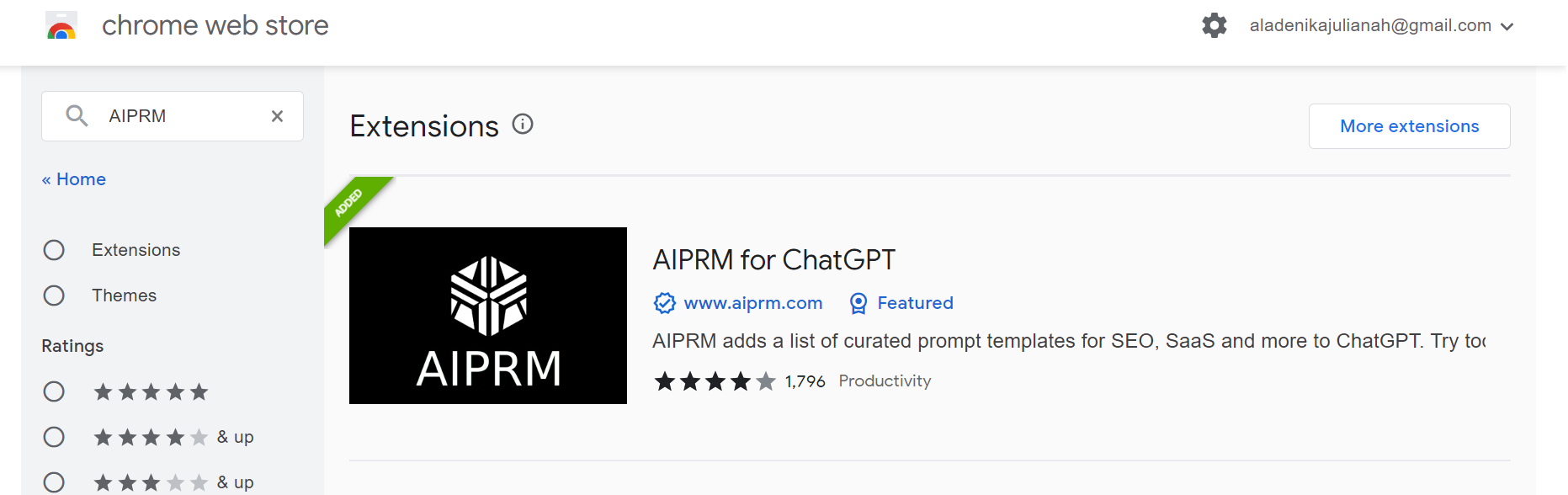
For example, there is an extension of ChatGPT which is AIPRM, which has more features and helps you give your prompts easier in tone and language.
To add an AIPRM extension to ChatGPT:
Go to the Google Chrome web store on your Google browser
Search for AIPRM and click on it
On the right you will see “Add to Chrome”, click and select Add extension
Finally, sync your AIPRM with ChatGPT.
9. Experiment and Learn
Finally, don’t be afraid to experiment with ChatGPT. Try it out for different types of content, from blog posts to social media updates. The more you use it, the better you’ll become at harnessing its potential to generate content faster and more effectively.
So there you have it, some handy tips to help you bring your content creation process to life with ChatGPT. It’s like having a trusty writing sidekick at your disposal 24/7. Remember, practice makes perfect, so dive in, have fun, and let your creativity flow. Happy creating!
Check and try out our platform Retink Media to learn more, also Visit Retink.io to take your social media strategy to the next level
Artificial Intelligence (AI) might sound complicated, but it is something we encounter every day. It’s the technology that enables our smartphones to understand our voice commands, suggests movies we might like, and even drives some cars without a human driver.
In this journey of demystifying AI, we’ll break it down into simple terms. We’ll explore what AI is, how it works, and how it’s changing our world. It’s not just robots and sci-fi stuff; it’s practical technology that’s becoming a part of our lives, isn’t it amazing? Let’s find out!
BRIEF HISTORY ON ARTIFICIAL INTELLIGENCE
According toWikipedia “The history of artificial intelligence (AI) began in antiquity, with myths, stories and rumors of artificial beings endowed with intelligence or consciousness by master craftsmen. The seeds of modern AI were planted by philosophers who attempted to describe the process of human thinking as the mechanical manipulation of symbols. This work culminated in the invention of the programmable digital computer in the 1940s, a machine based on the abstract essence of mathematical reasoning. This device and the ideas behind it inspired a handful of scientists to begin seriously discussing the possibility of building an electronic brain.”
WHAT IS ARTIFICIAL INTELLIGENCE?
Artificial intelligence (AI) refers to the capability and ability of a computer or machine to perform tasks that typically require human intelligence. These tasks include things like learning from experience, understanding natural language, recognizing patterns, making decisions, and solving problems. In simpler terms, AI is the science of creating computer programs or systems that can think and act intelligently, similar to how humans do, even though they are not conscious or self-aware.
IMPORTANCE OF ARTIFICIAL INTELLIGENCE IN OUR WORLD TODAY
It enhances Cyber security, in this digital age: AI is crucial for identifying and reducing Cyber Security threats by continuously monitoring networks, detecting anomalies, and responding rapidly to protect sensitive data.
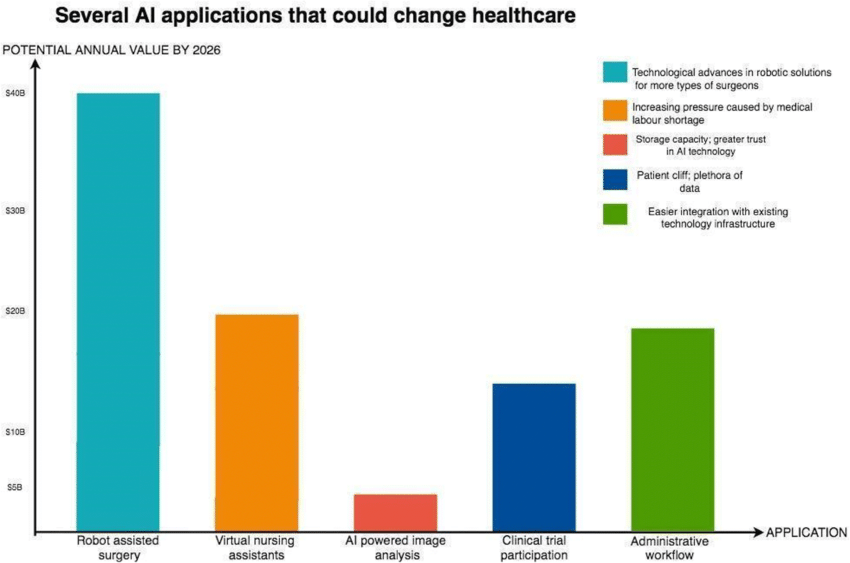
Enhances healthcare diagnosis and treatment: in healthcare, AI assists medical professionals by analyzing patient data, medical images, and research to make more accurate diagnoses and recommend effective treatment strategies, ultimately saving lives.
It improves efficiency in various industries: Its importance lies in its ability to optimize workflows and operations across industries, leading to cost savings, increased productivity, and improved competitiveness.
Automates repetitive tasks: AI automates repetitive and time-consuming tasks, allowing humans to focus on more creative and complex aspects of their work, increasing efficiency and reducing errors.
APPLICATION OF AI IN VARIOUS FIELDS
AI in Healthcare: Artificial intelligence has made significant strides in the healthcare industry. It is being used for tasks such as disease diagnosis, medical image analysis, and drug discovery. Machine learning algorithms can analyze vast amounts of medical data to identify patterns and trends.
AI in Finance: The financial sector has embraced AI to enhance decision-making and risk management. AI algorithms can analyze market data in real time, predict stock trends, and optimize trading strategies. Machine learning models are used for credit scoring, fraud detection, and customer service chatbots.
AI in Supply Chain: AI plays a crucial role in streamlining supply chain operations. Predictive analytics and machine learning are used to forecast demand, optimize inventory management, and reduce logistics costs. AI-powered systems track and monitor shipments, enabling real-time visibility and proactive issue resolution. This results in improved efficiency and reduced supply chain disruptions.
AI in Education: In the education sector, AI has the potential to personalize learning experiences. Adaptive learning platforms use AI algorithms to assess students’ strengths and weaknesses, tailoring educational content to their needs.
These are just a few examples of how AI is transforming various fields, revolutionizing industries and improving efficiency, decision-making, and customer experiences across the board.
ADVANTAGES OF AI
AI is available round the clock, never needing breaks, and excels at multitasking.
Digital assistants are used by advanced companies for user engagement and content delivery, sometimes blurring the line between human and AI interaction.
AI makes unbiased, rational decisions, avoiding emotional influences, leading to more accurate choices.
DISADVANTAGES OF AI
Job Displacement: Automation through AI can lead to job losses in certain industries, especially those that rely on routine tasks.
Privacy Concerns: AI can be used to invade personal privacy through surveillance and data mining, raising ethical and legal questions.
Security Risks: AI can be vulnerable to attacks and hacking, potentially leading to data breaches and malicious use.
High Costs: Developing and implementing AI technologies can be expensive, limiting access for smaller organizations and countries.
Dependence on Technology: Over Reliance on AI can reduce human skills and decision-making capabilities.
AI safety is a concern, especially with the development of powerful AI systems. Researchers and organizations are working on safety measures and ethical guidelines to mitigate risks associated with AI.
What are the main AI technologies?
Natural language generation, speech recognition, virtual agents, machine learning platforms, AI optimized hardware, decision management, deep learning platforms, biometrics, robotics automation, text analysis, cyber defense, compliance, knowledge worker aid, content creation, emotion recognition, image recognition and marketing automation.
Can artificial intelligence compete with human intelligence?
“People will always be faster to adjust than computers because that’s what humans are optimized to do.”
Can AI be regulated?
Currently, AI remains largely unregulated, lacking oversight from any governing body, as it continuously advances and refines its machine-learning capabilities. Prominent tech leaders have made recent calls for the necessity of AI regulation and control.
Demystifying AI involves breaking down complex concepts into understandable components. AI is a powerful tool with huge potential, but it’s not magic. It’s built on data, algorithms, and models, and it learns from experience.
Understanding these fundamental aspects of AI can empower individuals and society to make informed decisions about its use and impact.
As AI continues to evolve, it’s essential to engage in ongoing conversations about its ethical implications and ensure that it benefits humanity as a whole.
REFERENCED ARTICLES
Duggal, N. (2023). Advantages and Disadvantages of Artificial Intelligence: Simplilearn, 3-5,
Do you own a business and you are wondering about the top ways AI is transforming Businesses? Read this blog post to find out.
In today’s rapidly evolving business landscape, Artificial Intelligence (AI) has emerged as a transformative powerhouse. What was once relegated to the realms of science fiction is now a tangible force, reshaping the very essence of how companies function across diverse industries.
AI is not merely a futuristic concept; it’s already at the forefront, revolutionizing the way businesses operate. In this comprehensive blog post, we’ll dive into the top 10 ways AI is profoundly influencing the business world.
Defining the Business Sector
To lay the groundwork, let’s clarify what we mean by the “business sector.” Essentially, it encompasses businesses that share common attributes or offer related products and services. These sectors are typically categorized based on the industries or markets they serve.
For example, the technology sector comprises companies involved in developing and marketing tech products, while the healthcare sector encompasses businesses specializing in medical services and products. Categorization helps us gain a deeper understanding and facilitates analysis of various aspects of the economy.
Top 10 Ways AI Is Transforming Businesses
1. Human Resources Transformation
AI is ushering in a new era for HR processes. Beyond mere automation, AI-driven tools and chatbots are revolutionizing tasks such as resume screening, candidate assessment, and employee engagement. HR professionals can now shift their focus towards strategic workforce planning, as mundane tasks are effectively delegated to AI systems.
2. Revolutionizing Product Development
AI is a central player in product development. By analyzing market trends and assimilating consumer feedback, machine learning algorithms are empowering businesses to create products that closely align with customer needs and preferences. This, in turn, significantly reduces the risk of product failures.
3. Effective Risk Management
In the complex worlds of finance and insurance, AI is an invaluable asset for risk assessment. AI algorithms meticulously analyze historical data and current market trends, enabling businesses to calculate risks with precision. This translates into informed decision-making and a better ability to avoid unnecessary financial losses.
4. Personalized Recommendations
E-commerce platforms and content providers are harnessing the power of AI to offer highly personalized recommendations. Sophisticated algorithms scrutinize user behavior and preferences, enabling them to suggest products, articles, or content that are most likely to resonate with the user. The result? A substantial boost in user engagement and, ultimately, sales.
5. Elevated Customer Service
AI-powered chatbots and virtual assistants are no longer confined to traditional working hours. They provide round-the-clock customer support, answering queries, resolving issues, and delivering personalized experiences. This not only heightens customer satisfaction but also streamlines operational costs by reducing the reliance on human customer service agents.
6. Data Analytics and Insights
AI-driven analytics solutions are adept at processing vast datasets at lightning speed, ensuring businesses can extract invaluable insights. With predictive analytics, companies can make data-driven decisions, foresee market trends, and refine their strategies for sustainable growth.
7. Marketing and Advertising Revolution
AI has brought about a revolution in marketing and advertising. Personalized recommendations, audience segmentation, and campaign optimization have become the norm. Machine learning algorithms scrutinize consumer behavior and preferences, equipping businesses with the tools to create more effective marketing strategies.
8. Optimized Supply Chain Management
AI is proving instrumental in optimizing supply chain efficiency through predictive analytics. Businesses are using AI to forecast demand, streamline inventory management, and enhance logistics, which ultimately leads to cost reduction and fewer operational disruptions.
9. Efficient Fraud Detection
Financial institutions rely on AI for real-time fraud detection. Machine learning algorithms have an uncanny ability to identify unusual transactions and patterns, acting as a bulwark against financial losses and ensuring the protection of customer assets.
10. Process Automation
Businesses are increasingly adopting robotic process automation (RPA) to streamline operations further. RPA automates repetitive and time-consuming tasks, reducing errors and enabling human resources to focus on more strategic activities.
Conclusion
Artificial Intelligence is not a distant promise; it’s a present reality that is profoundly altering the business sector. The implications are far-reaching, from delivering exceptional customer service to streamlining operations and decision-making processes. As technology continues its relentless march forward, companies that embrace AI will undoubtedly gain a competitive edge in an ever-evolving marketplace. AI isn’t merely the future of business; it’s the pivotal force shaping the present. To stay ahead in the game, companies should continue to explore and implement AI solutions tailored to their unique needs and objectives.
Unlock the Potential of AI for Your Business
Artificial Intelligence is transforming the business landscape. Don’t miss out on the opportunities it offers. If you’re ready to harness the power of AI to enhance your business, we can help.
Contact us today to get started on your AI journey.
Whether you’re looking to improve customer service, optimize operations, or gain a competitive edge, AI is the key to success in the modern business world, check and try out our platform Retink.io to take your social media strategy to the next level. Visit Retink Media to learn more!
We are in a digital age where social media has become a huge and important platform for individuals and businesses to connect with their audience. Among the various types of content that thrive on these platforms, videos are one of the most engaging and effective mediums to communicate. They offer a dynamic way to pass your message, entertain, or educate your followers. But, not everyone has access to expensive video editing software or tools. The good news is that there are several free AI tools or free platforms available that can help you create beautiful content videos for your social media platforms. In this blog post, we’ll explore some of these tools to give you better understanding.
Ready to transform your social media presence with stunning videos? Try these free AI-powered tools today and start captivating your audience!
Free AI Tools For Creating Captivating Videos For Social Media
1. Canva
Canva is one of the most versatile graphic design tools that has free option. It allows you to create videos with ease, using a variety of templates, stock footage, and music. Canva’s easy to use interface makes it accessible even for beginners, and you can add text, animations, and effects to your videos. For Youtubers, Canva allows you to create stunning thumbnails for your video content from scratch, it also has so many templates you can use to edit. The free version offers an array of features, and the Pro version offers even more customization options.
2. InShot
InShot is a very popular mobile video editing app that is known for its user-friendly interface and a wide range of features. With InShot, you can trim and cut videos, add music, filters, text, and stickers, and even adjust the video speed. It’s a great choice for beginners to create short and engaging videos for social media platforms like Instagram and TikTok and even YouTube. InShot offers a free version with or without a watermark on exported videos, and it is a powerful tool for on-the-go video editing.
3. CapCut (formerly known as Viamaker)
CapCut is another mobile video editing app that has gained popularity for its simplicity and versatility. It offers features like video trimming, transitions, music integration, text overlays, and even advanced editing options like keyframing. CapCut’s user-friendly interface makes it a suitable choice for both beginners and more experienced video editors. You can create and edit videos with ease and share them to your favorite social media platforms. Like InShot, CapCut also has a free version with some limitations but is still a valuable tool for social media video creation.
4. FilmoraGo
FilmoraGo is an editing app that offers a wide range of features for creating and editing videos on your smartphone and laptop. With it, you can add music, transitions, text, and even apply filters to your videos. While they offer a paid subscription, the free version is capable of producing high-quality content for your social media channels.
5. iMovie (for Mac users)
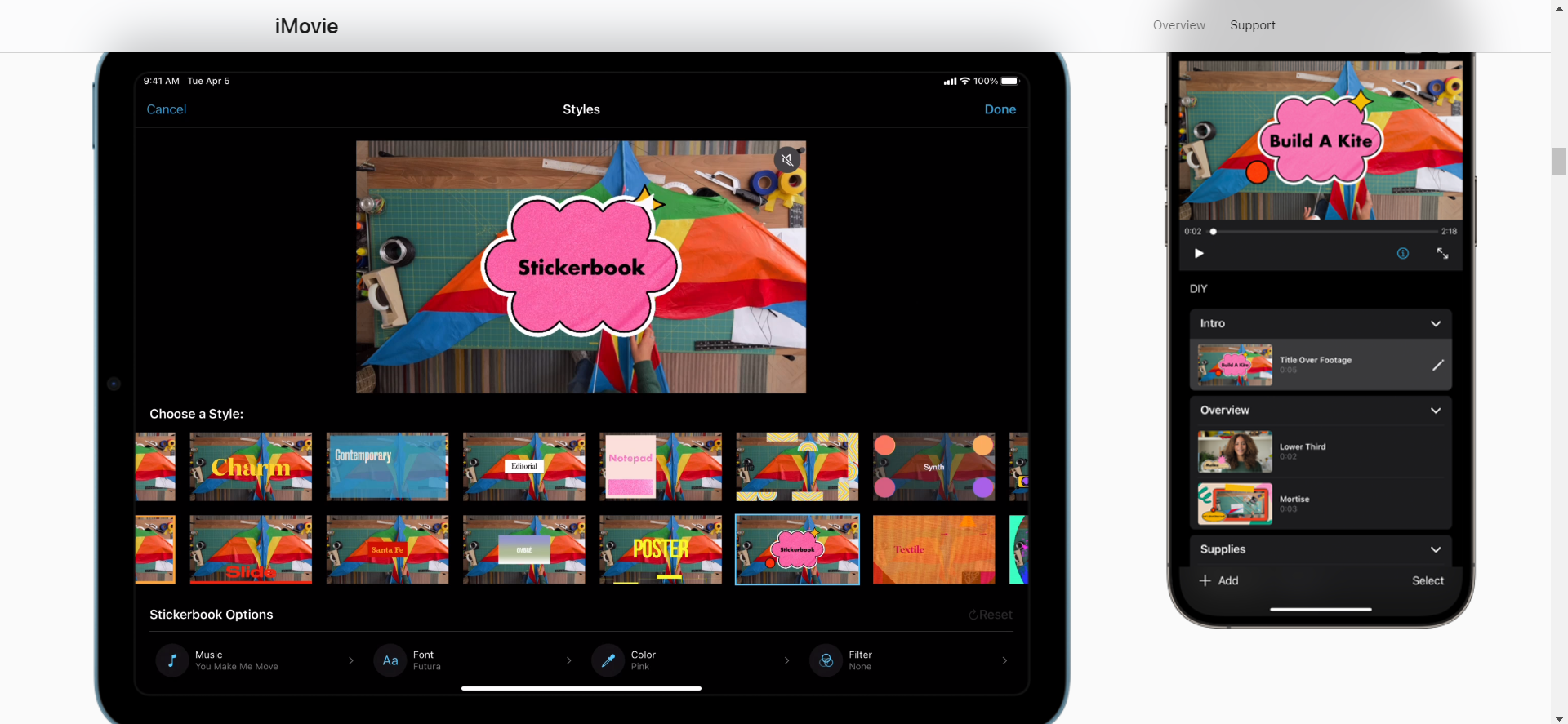
If you own a Mac, you’re in luck because iMovie comes pre-installed. It’s a powerful video editing software that’s intuitive and user-friendly. You can use it to edit your video clips, add transitions, effects, and even soundtracks. It might not be as feature-rich as some paid options, but it’s a solid choice for basic video editing needs.
6. Crello
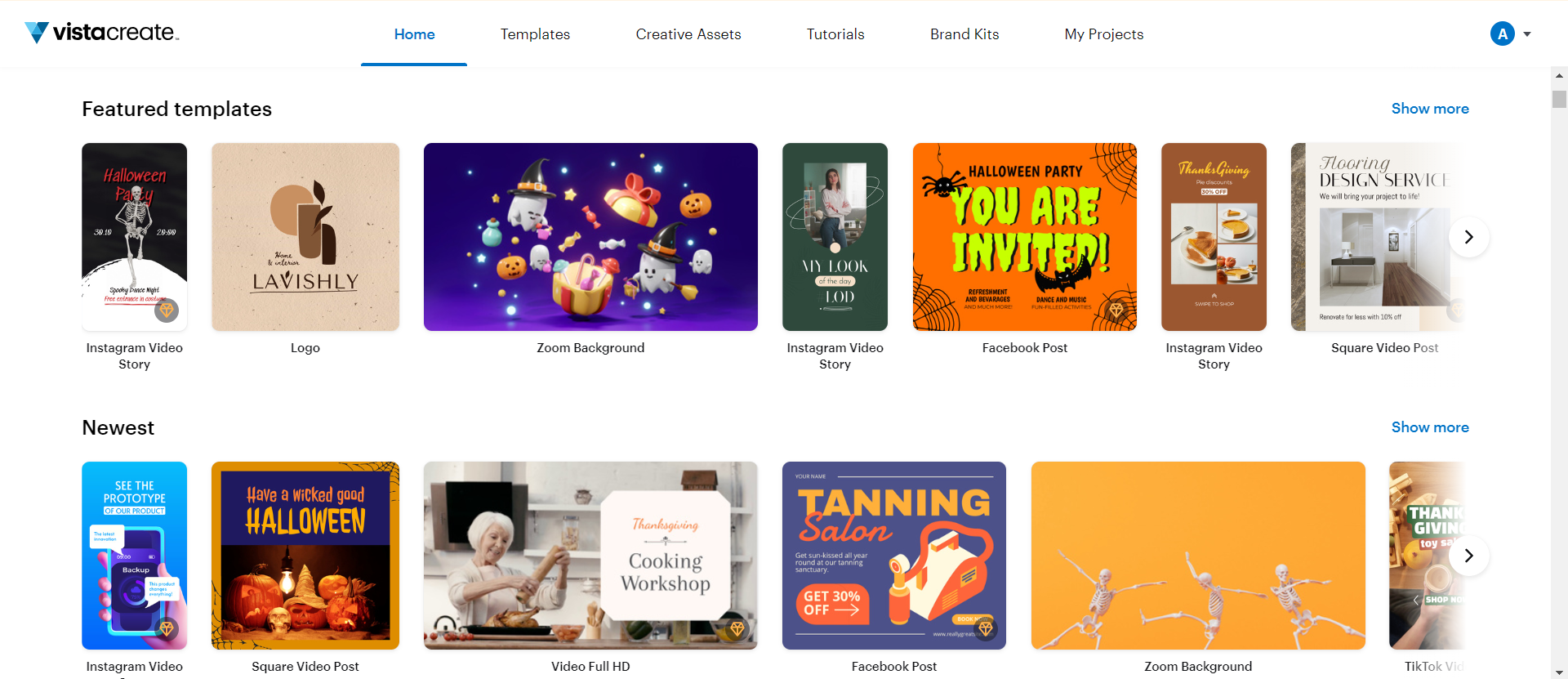
Crello, now called VistaCreate, is a graphic design tool that enables individuals and businesses to create professional-looking visual content without prior design experience. It offers a vast library of customizable templates, design elements, and tools to craft engaging visuals for various purposes, ranging from social media posts and marketing materials to presentations and website graphics.
Conclusion
Creating content videos for social media doesn’t have to break the bank. These free tools offer an excellent starting point for individuals and businesses looking to engage their audience with eye-catching video content. Whether you’re a beginner or an experienced video creator, there’s a tool in this list that can help you bring your creative ideas to life without spending a dime. Experiment with these tools, find the one that best suits your needs, and start sharing your captivating videos with the world. Let us know in the comment section which is your favourite AI tool and how it has helped you out!
You can also check and try out our platform Retink.io to take your social media strategy to the next level. Visit Retink Media to learn more!
Have you heard about AI-powered content? It’s not just a buzzword; it’s a game-changer in the world of content creation!
Are you tired of spending countless hours brainstorming, researching, and crafting content for your blog or website? Well, in this post, we would introduce AI-powered tools that will revolutionise your content creation process from ideation to execution. Gone are the days of writer’s block and tedious research – with the help of artificial intelligence, you’ll be able to speed up your content creation like never before.
We’ll explore how these cutting-edge tools can transform the way you produce compelling articles, enticing videos, captivating social media posts, and much more. Get ready to unleash the power of AI and take your content creation to new heights!
Introduction to AI-Powered Content Creation
Artificial Intelligence (AI) plays a role, in this context. Technological advancements have led to the emergence of AI powered tools that revolutionise the field of content production. These tools leverage algorithms and machine learning to help creators in generating concepts, crafting text and optimising content for search engines. Ultimately they streamline the process of content creation.
What exactly does AI driven content creation entail? How does it work?. What advantages can it bring to your business or personal brand? We will delve into these inquiries and provide you with a grasp of the potential of AI in speeding up your content creation activities.
What is Content AI?
Content AI, or Content Artificial Intelligence, is an amazing technology that is transforming the way we create content. It’s like having a super-smart writing assistant at your fingertips, 24/7! For instance a tool powered by natural language processing (NLP) can analyse data pertaining to a subject or field and produce appropriate keywords.
How Does it Work?
AI powered algorithms and machine learning techniques are used by Content AI to analyse data, comprehend context and produce top notch content at high speed. This content includes blog posts, social media updates, product descriptions and much more all achieved with top speed and precision!
Content AI is powered by technologies such as Natural Language Processing (NLP), Natural Language Generation (NLG), Machine Learning (ML), and Deep Learning (DL). These technologies are used to automate various aspects of the content creation process. These advanced algorithms allow computers to mimic human language patterns, identify patterns in data, and learn from past experiences – all without human intervention.
Why Should You Care?
There are numerous benefits to using AI-powered tools for content creation, and these benefits can greatly enhance the efficiency and effectiveness of your content creation process. In this section, we will delve deeper into the various benefits of using AI in your content creation workflow.
Benefits of Using AI-powered Tools for Content Creation
Save Time: With content AI you can say goodbye to writer’s block! Content AI helps you create content faster, so you can focus on what matters most. Content AI automates content creation, curation, and optimisation tasks, significantly reducing the time required for content production and management.
Consistency: You can achieve a consistent tone and style across all your content pieces. Using content AI ensures consistency in content production by automating tasks, maintaining uniform quality, and adhering to predefined schedules, allowing you to maintain a reliable and regular posting schedule.
Quality: Get top-notch content that engages your audience and drives results. Content AI enhances content quality by providing valuable insights, generating engaging content, and optimising for SEO, resulting in more relevant and valuable information for your audience.
SEO Boost: Optimise your content for search engines and improve your online visibility. Content AI can improve SEO by generating optimised, keyword-rich content that ranks higher in search engine results, increasing visibility and driving organic traffic to your website.
Efficiency: AI-powered tools increases efficiency in content creation. With advanced algorithms and machine learning capabilities, these tools are able to automate various aspects of the content creation process such as researching, writing, editing, and proofreading. This not only saves time but also allows you to focus on more important tasks like strategy and creativity.
Accuracy: Another benefit of using AI in your content creation is improved accuracy. As humans, we are prone to errors and oversights, especially when dealing with large amounts of data. However, AI-powered tools are designed to meticulously analyse data and produce error-free results consistently. This leads to a more polished and professional final product that is free from grammar or spelling mistakes.
Enhanced Insights: Content AI tools have the ability to gather deep insights into your target audience’s behaviour and preferences through analysing their engagement patterns with specific types of content across different platforms. This can help you tailor your content accordingly for maximum effectiveness.
Personalisation: With AI-powered tools, you can personalise your content at scale by creating unique pieces that cater specifically to each individual user’s needs based on their previous interactions with your brand or business.
Types of AI-powered Content Creation Tools:
Text, Image, and Video
In recent years, technology has seen an unprecedented growth in the field of artificial intelligence (AI). This advancement has also had a significant impact on content creation, making it faster, more efficient, and even more creative. With the help of AI-powered tools, creators and marketers are now able to produce high-quality content in less time.
There are various types of AI-powered content creation tools available today that cater to different forms of media. Let’s take a closer look at three popular categories – text, image and video – and their respective capabilities:
Text Creation Tools:
Text is one of the most common forms of content used by businesses and brands. However, creating well-written text can be time-consuming and boring. This is where AI comes in with tools such as natural language generation (NLG) software.
NLG uses algorithms to analyse data and generate human-like text for articles, reports, product descriptions and more. By using NLG software like Wordsmith or Quillbot, writers can create large volumes of high-quality content in little time without compromising on quality or creativity.
Image Creation Tools:
Images play a crucial role in attracting an audience’s attention towards your content. However, creating unique images for each piece of content can be overwhelming for designers who have limited resources or tight deadlines.
AI-powered image creation tools like CANVA or Piktochart can come in handy here. These tools use machine learning algorithms to generate graphics according to user inputs.
Let’s look at a step-by-step process on how to use AI-powered tools to streamline and enhance your content creation process.
Ideation: Unlocking AI’s Creative Power
Before diving into using AI tools, it is important to familiarise yourself with the various options that are available in the market. This will help you determine which tool best suits your needs and objectives. AI-powered tools like ChatGPT can assist by generating creative ideas based on your niche, target audience, and trending topics. The result? A wealth of inspiration to kickstart your content creation journey.
You would also need to clearly define your content objectives. Are you looking to generate more leads, improve SEO ranking or engagement? Knowing your end goal will help you choose the right tool and develop a focused content strategy.
Most AI-enabled tools require some initial inputs from users such as keywords, topics or themes related to their brand or industry. Make sure to provide accurate data as this will directly impact the quality of content generated by these tools.
You can explore or experiment with different options within the chosen tools before finalising on which tool to use, you could even use a combination of different tools depending on what you want to create.
Planning: Crafting a Strategic Blueprint
You would have to create a detailed brief defining your content objectives and outlining the type of content you want to create, target audience, tone, and style preferences. This will serve as a guide for the AI-powered tools to generate relevant ideas and suggestions. Based on your brief and objectives, select an AI-powered tool that aligns with your requirements. For example, if you want to improve SEO ranking then opt for a tool that focuses on keyword optimisation.
For content planning, AI-driven content calendar tools, such as Buffer or CoSchedule, take the guesswork out of scheduling. By analysing historical data and user behaviour, these tools suggest optimal posting times, ensuring your content reaches its audience at peak engagement periods.
AI tools can also help you understand your audience better by analysing their behaviour and preferences. This information allows for more targeted content creation, enhancing the relevance and resonance of your messages.
Creation: Boost Creativity and Efficiency
Tools like OpenAI’s DALL-E and Canva’s Designify use AI to generate visuals and graphics, reducing the time spent on manual design tasks. This not only accelerates the content creation process but also ensures a professional and visually appealing end result.
When it comes to writing, AI-powered writing assistants, such as Grammarly or Writesonic, enhance the quality of your written content. From grammar and style suggestions to generating entire paragraphs, these tools expedite the writing process while maintaining a high standard of language and clarity.
Optimisation: Guaranteeing Quality and Visibility
AI can analyse content for SEO optimisation by suggesting relevant keywords, improving meta tags, and ensuring overall search engine friendliness. This optimisation is crucial for boosting your content’s visibility and driving organic traffic.
Most AI-enabled tools require some initial inputs from users such as keywords, topics or themes related to their brand or industry. Make sure to provide accurate data as this will directly impact the quality of content generated by these tools.
You can also use AI tools to analyse vast amounts of data to research and identify relevant keywords and trending topics. Leveraging these insights ensures that your content is not only creative but also aligned with what your audience is actively searching for.
AI analytics tools like Taskade can provide real-time insights into how your content is performing. By understanding what works and what doesn’t, you can refine your content strategy for maximum impact.
Execution: Streamlining Distribution and Engagement
AI-powered social media scheduling tools, like Hootsuite or Buffer, can automate the distribution of your content across various platforms, saving you time and ensuring a consistent online presence.
You can also implement AI-powered chatbots on your website to allow for instant interaction with your audience. This not only enhances user experience but also facilitates a quicker response to queries, comments, and feedback.
Case Studies: Showcasing Successful Use of AI-powered Tools in Content Creation
Case studies are a valuable way to showcase the practical uses and success of AI-powered tools in content creation. By examining real-life examples, we can see how these tools have been used to streamline and enhance the content creation process for businesses of all sizes and industries. Here are some examples below:
Forbes: Automating Content Creation with AI
In 2018, Forbes became one of the early adopters of AI-powered tools for their content creation process. They teamed up with tech startup, Narrative Science, to develop an AI platform called “Bertie” that would assist their writers in generating data-driven news content.
Bertie uses natural language generation technology to scan through large amounts of data from various sources such as financial reports and social media trends. It then generates news stories tailored to different audiences, saving Forbes writers hours of research and writing time.
The use of Bertie has not only increased Forbes’ publishing output but also improved accuracy and efficiency in delivering timely news articles. The success of this collaboration has shown the potential impact AI can have on enhancing traditional journalism practices.
The Associated Press: Using Artificial Intelligence for Multimedia Content
The Associated Press (AP) is another major media outlet that has leveraged AI-powered tools for content creation. In 2017, they announced a partnership with Automated Insights to use their Wordsmith platform to generate financial earnings reports.
Wordsmith’s advanced natural language generation technology enabled AP reporters to produce comprehensive earnings reports instantly by analysing company data inputs. This automated process saved AP countless man hours.
Addressing Concerns and Criticisms Regarding the Use of AI in Content Creation
The use of AI in content creation has been a topic of discussion and debate in recent years. While some individuals and businesses have embraced the benefits of using AI-powered tools, others have expressed concerns and criticisms about its use. In this section, we will address these concerns and criticisms and provide insight into how AI can actually enhance the content creation process.
One major concern surrounding AI in content creation is that it may replace human creativity and originality. Many critics believe that relying on AI to generate or assist with content will lead to a homogenised, cookie-cutter approach to creating content. However, this is not entirely accurate. While AI-powered tools can aid in generating ideas and executing tasks quickly, it still requires human input for final approval and refinement.
AI technology is designed to work alongside humans, not replace them. It can analyse vast amounts of data, identify patterns, and suggest potential topics or keywords for content creation. This frees up time for creators to focus on more meaningful tasks such as research, writing engaging headlines, storytelling, editing and proofreading. Ultimately, it allows creators to spend more time on the creative process rather than boring administrative tasks.
Some critics also worry that incorporating AI into the content creation process will lead to biase or inaccurate information being produced. This is a valid concern as algorithms are only as unbiased as the data they are trained on. Hence why many leading tech companies are taking proactive steps towards mitigating bias by developing ethical guidelines for their AI systems.
Looking Towards the Future: Potential Advancements in AI Technology for Content Creation
Retink Ai generated-content
The field of artificial intelligence (AI) has rapidly evolved in recent years, and its potential for content creation is increasingly being explored. As we continue to rely more on digital content for communication and marketing purposes, the demand for high-quality and engaging content continues to grow. This has led to an increase in the use of AI-powered tools for various aspects of the content creation process.
One area that has seen significant advancements in AI technology is natural language processing (NLP). NLP involves teaching computers to understand and interpret human language, which enables them to generate relevant and grammatically correct text. With advances in machine learning algorithms, NLP can now create convincing written content that mimics human writing styles.
This opens up a whole new world of possibilities for content creators. One potential use case is automating routine tasks like generating product descriptions or social media posts. Instead of spending hours researching and writing these types of content, AI-powered tools can do it quickly and accurately with minimal human input.
Another exciting advancement in AI technology is the emergence of generative models such as GPT-3 (Generative Pre-trained Transformer 3). These models are trained on massive amounts of data from the internet, allowing them to generate entirely new pieces of text based on prompts given by their users. These models have shown impressive capabilities, even creating coherent articles that could potentially pass as being written by a human.
With these advancements, it’s not far-fetched to envision a future where entire articles or even books could be generated.
Conclusion: Embracing the Future of Content Creation with AI-powered Tools
It’s clear that AI-powered tools have changed the content creation process and have become a crucial element in every marketer’s toolkit. From idea generation to execution, these intelligent tools have significantly accelerated the content creation process, saving time and effort for businesses.
In today’s digital age, where content is king, it’s essential to adapt to new technologies to stay ahead of the game. If you’re still hesitant about incorporating AI into your content strategy, let us assure you that embracing this technology will bring numerous benefits to your business.
First and foremost, AI-powered tools can help you overcome one of the most significant challenges in content creation – writer’s block. With their ability to analyse vast amounts of data and generate relevant ideas and topics, these tools can be a game-changer for writers and creators struggling with creativity.
Moreover, by automating mundane tasks like keyword research and topic selection, AI frees up human resources for more critical tasks such as crafting high-quality content that resonates with your audience. This not only improves productivity but also allows businesses to focus on creating engaging and valuable content rather than spending time on menial activities.
Another significant advantage of using AI in content creation is its ability to personalise content at scale. By analysing consumer data and behaviour patterns, these tools can create personalised recommendations for individual consumers based on their interests and preferences. This helps businesses deliver targeted messages that are tailored specifically for their customers.
Whether you’re a marketer, blogger, or business owner, Content AI is your secret weapon for content success.
You can get started with creating your content AI for free with Retink Media today.
The task of creating customer-centric content for a multitude of starving audiences by the content chief of your business content marketing team gets harder and harder. The reason for this difficulty arises from the increased demand for high-quality, fully optimized and well-customized content to tend to the need of target customers.
In this blog post, you will learn the benefits of using AI-driven content creation tools to meet the demands of your brand’s target audience. So, sit tight and enjoy reading.
Content Creation Challenges Faced by Brands.
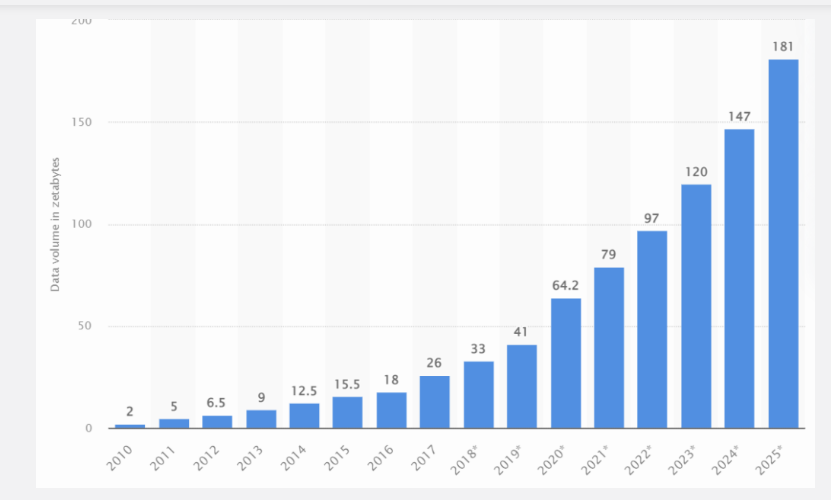
According to Statista, the rate of data creation globally has been forecasted to grow as high as 180 zettabytes by 2025. It will become very hard for businesses to easily meet up with this data and content creation rate with just the help of a small team of content creators and their chief.
It becomes even more expensive for your brands if they start to consider employing the services of more freelance writers and content agencies.
The demand for quality content consistent with your brand’s identity, tone or voice becomes a big issue because these freelancers and agencies would find it hard to adjust to your brand’s style of content.
There is also the problem of managing these content agencies and freelance writers as your demand for different content options and desires increases.
These difficulties go as far as affecting how well your brand ranks on search engine result pages as the quality of content posted on your brand’s website or blog determines how well the pages will rank on search engines.
Thorough content optimisation for search engine ranking requires the need of a careful content process, accurate competitive analysis and extensive keyword research.
Using AI-Driven Content Creation Tools
The era of artificial intelligence and machine learning introduced the use of AI-driven content creation tools to tackle the high rate of content demand. These tools help brands deal with the speed at which a brand creates well-customized content while maintaining the brand’s identity, tone and voice.
AI-driven content also has a high rate of ranking on search engines as it is able to accurately answer the search intent of the audience by carrying out a detailed research about the target audience, matching the content with the primary and related keywords that may show up when a search query is logged in on a search engine.
It has been proven that results achieved by AI-driven content tools surpasses the result achieved by the content created by humans. According to the report from Toms hardware, 75% of Americans were outdone by AI in intelligence assessment tests.
The reason is simple. Content creation involves the use of creative and scientific means in achieving the content goals of a brand. The content goals of a brand could be:
Website Traffic
Leads for email marketing
Sales and conversion from products and services.
High audience engagement
Increase in brand awareness and loyalty
Audience education and satisfaction etc.
All of these goals require the skilful application of creative(human ideas that can connect with an audience) and scientific methodologies(result-oriented processes that involve thorough research, keywording, optimization and targeted dissemination of content in the right media).
When it comes to the scientific aspect of content creation, artificial intelligence tools do better than humans. This can be seen in how brands today employ the use of advanced SEO optimisation tools like Moz, Semrush and Ahrefs to supercharge their content keyword research.
This ability of AI to process and analyze content data is very useful in generating customized user content. The potential for AI in effective content marketing campaigns and customer satisfaction is a very vast goldmine.
So let’s take a quick peep at the benefits of AI-driven content creation tools.
Benefits of AI-Driven Content Creation Tools
The benefits of AI-driven content creation tools cuts across their usefulness in data gathering, competitive analysis, ideation, content personalisation, improved SEO optimization and much more. Now, let’s dive straight into it.
Data Gathering and Analysis: With the advent of powerful content generation tools like ChatGPT, it has been further confirmed that AI can scour the internet searching for data and insights into customers’ profiles with details concerning their ages, place of work, foods they eat, where they love shopping, schools they attend, habits and hobbies, likes and dislikes etc. All these are then analysed into raw data that can be used for creating an audience persona important in content marketing campaigns.
Competitive Analysis: A world without AI would be a world where competitor analysis will be exasperating, porous and subpar. AI-driven content creation tools can use search algorithms and comparisons to analyse your brand’s competitors informing you of the kind of content strategy they used. It goes further to reveal the key performance indicators(KPIs) which are important in making your content do better than your competitors. This helps your content creation to become more streamlined towards meeting your brand’s goals of ranking better than your competitors.
Content Ideation: In an era where tons of information ravages the internet, coming up with content ideas daily which must have originality and with creative ginger enough to be approved by search engines and found satisfying by a starving audience becomes a hard nut to crack for most brands. With the advent and assistance of AI, the ease and speed of generating content ideas have multiplied. AI-driven content generators won’t just stop at telling you the area to focus on, it will also give you a detailed analysis of the questions your audience is asking and what content your competitors are writing to rank well on their websites.
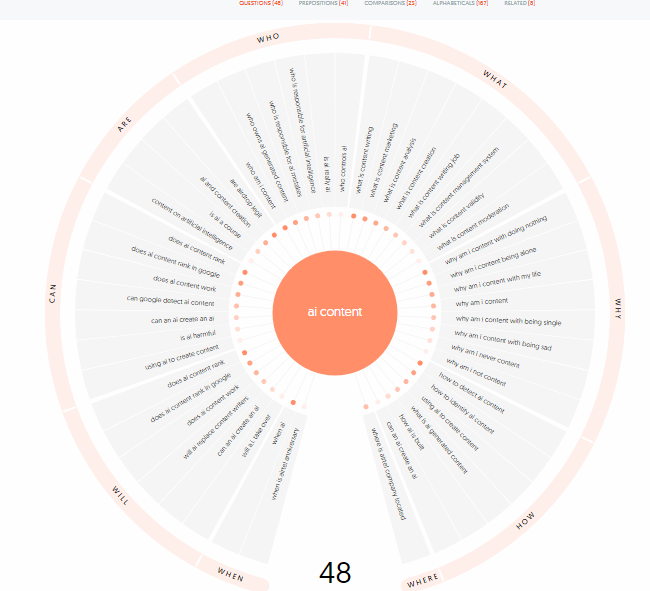
The use of AI in content creation comes with its ability to research the internet and suggest content ideas, topics and keywords that are ranking well in your brand’s niche. A very good example is the use of ideations tools like answerthepublic.com to analyze data and topics trending on a particular keyword.
Personalised Content Creation: The advent of AI-powered content generation tools has taken personalised content creation to the next level for brands and businesses. The creation of personalised content involves thoroughly understanding customers and analysing their data into a useful piece that will be helpful in brand marketing. AI’s can run instant audience research and analysis that can generate customer data and insights for personalized marketing campaigns.
Content Proofreading: Developing effective content strategies and the process of content creation is already time-consuming. Imagine adding the role of proofreading the content to spot errors, wrong grammatical structuring, wrong use of adverbs and prepositions etc. All these can be done with less effort and time with help of AI-content generation tools like Grammarly and Hemingway editor. All these tools help make content creation easier and faster.
Improved SEO Optimization: The importance of AI-powered keyword tools in content generation cannot be overemphasized. These tools help in carrying out thorough keyword research paying attention to the search volume, ranking factors and formats in which specific keywords are ranking on search engines. This tedious act which is properly done by AI-powered tools helps improve the SEO optimization of content for easier ranking on search engines.
Enhanced Content Management: Content management became much easier with the introduction of AI into content creation processes. Monitoring content results, tracking its impacts and the number of conversions it generates or how many leads the monitoring capabilities of an AI can enhance a social media ad generated.
In a nutshell, content creation using AI-driven tools has become one of the greatest gifts to the content marketing industry as it has made content creation processes much smoother, faster, more efficient and more strategic. It helps in making sure that every angle of the content generation, optimization and dissemination processes is covered.









 AI tools, such as natural language processing and generation, can assist in content creation. Automate the generation of blog posts, social media updates, and email campaigns. AI can also create content by analysing user preferences and suggesting relevant articles, videos, or products, ensuring that your audience receives content relating to their interests.