We are in a digital age where social media has become a huge and important platform for individuals and businesses to connect with their audience. Among the various types of content that thrive on these platforms, videos are one of the most engaging and effective mediums to communicate. They offer a dynamic way to pass your message, entertain, or educate your followers. But, not everyone has access to expensive video editing software or tools. The good news is that there are several free AI tools or free platforms available that can help you create beautiful content videos for your social media platforms. In this blog post, we’ll explore some of these tools to give you better understanding.
Ready to transform your social media presence with stunning videos? Try these free AI-powered tools today and start captivating your audience!
Free AI Tools For Creating Captivating Videos For Social Media
1. Canva
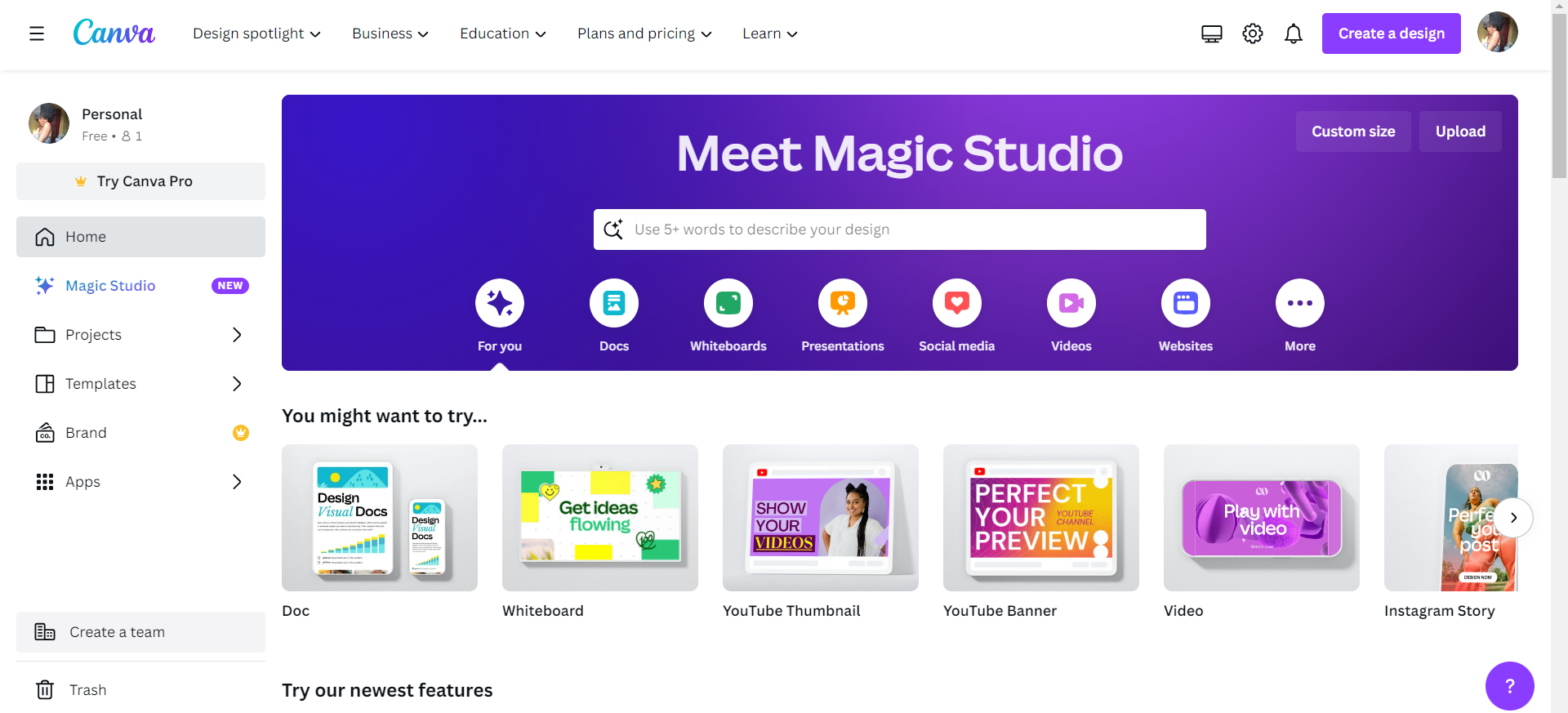
Canva is one of the most versatile graphic design tools that has free option. It allows you to create videos with ease, using a variety of templates, stock footage, and music. Canva’s easy to use interface makes it accessible even for beginners, and you can add text, animations, and effects to your videos. For Youtubers, Canva allows you to create stunning thumbnails for your video content from scratch, it also has so many templates you can use to edit. The free version offers an array of features, and the Pro version offers even more customization options.
2. InShot
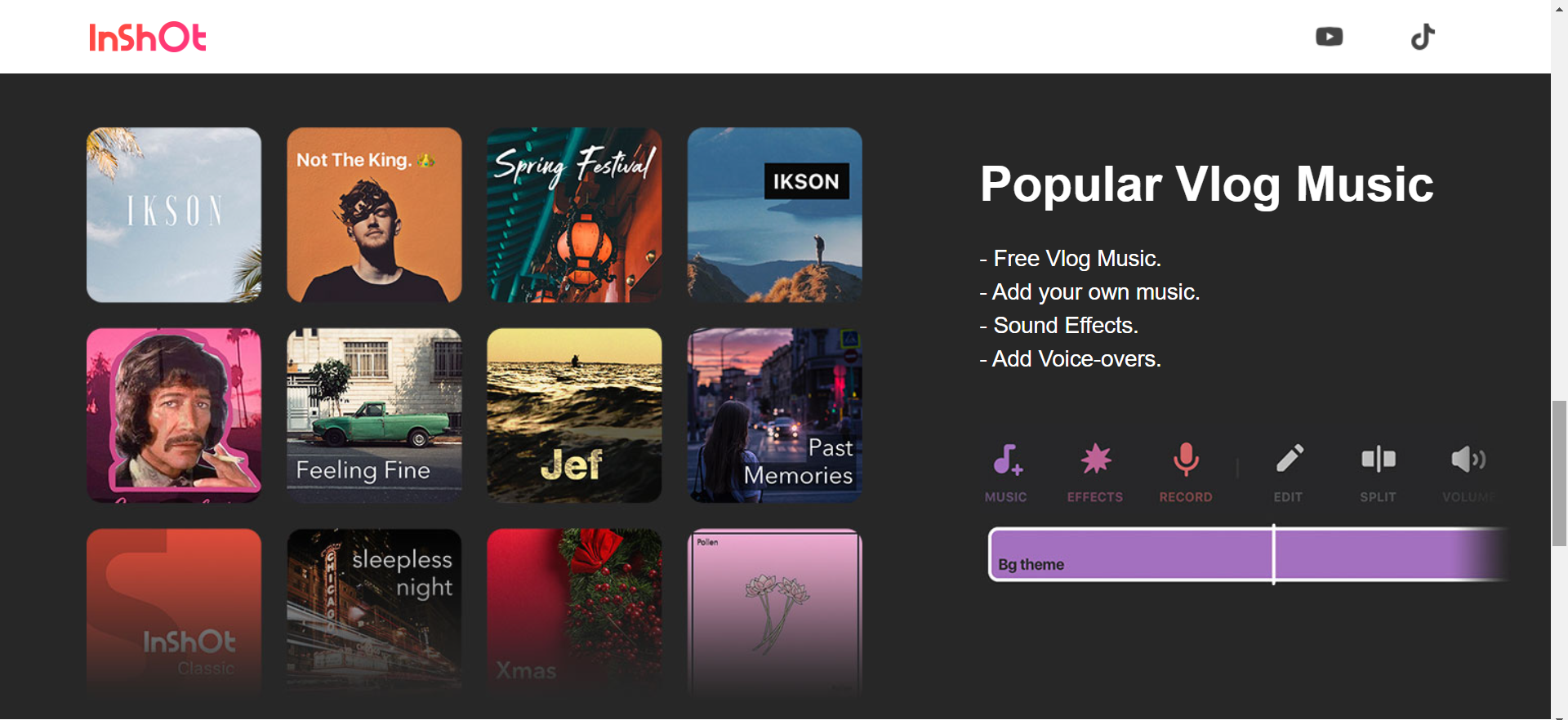
InShot is a very popular mobile video editing app that is known for its user-friendly interface and a wide range of features. With InShot, you can trim and cut videos, add music, filters, text, and stickers, and even adjust the video speed. It’s a great choice for beginners to create short and engaging videos for social media platforms like Instagram and TikTok and even YouTube. InShot offers a free version with or without a watermark on exported videos, and it is a powerful tool for on-the-go video editing.
3. CapCut (formerly known as Viamaker)
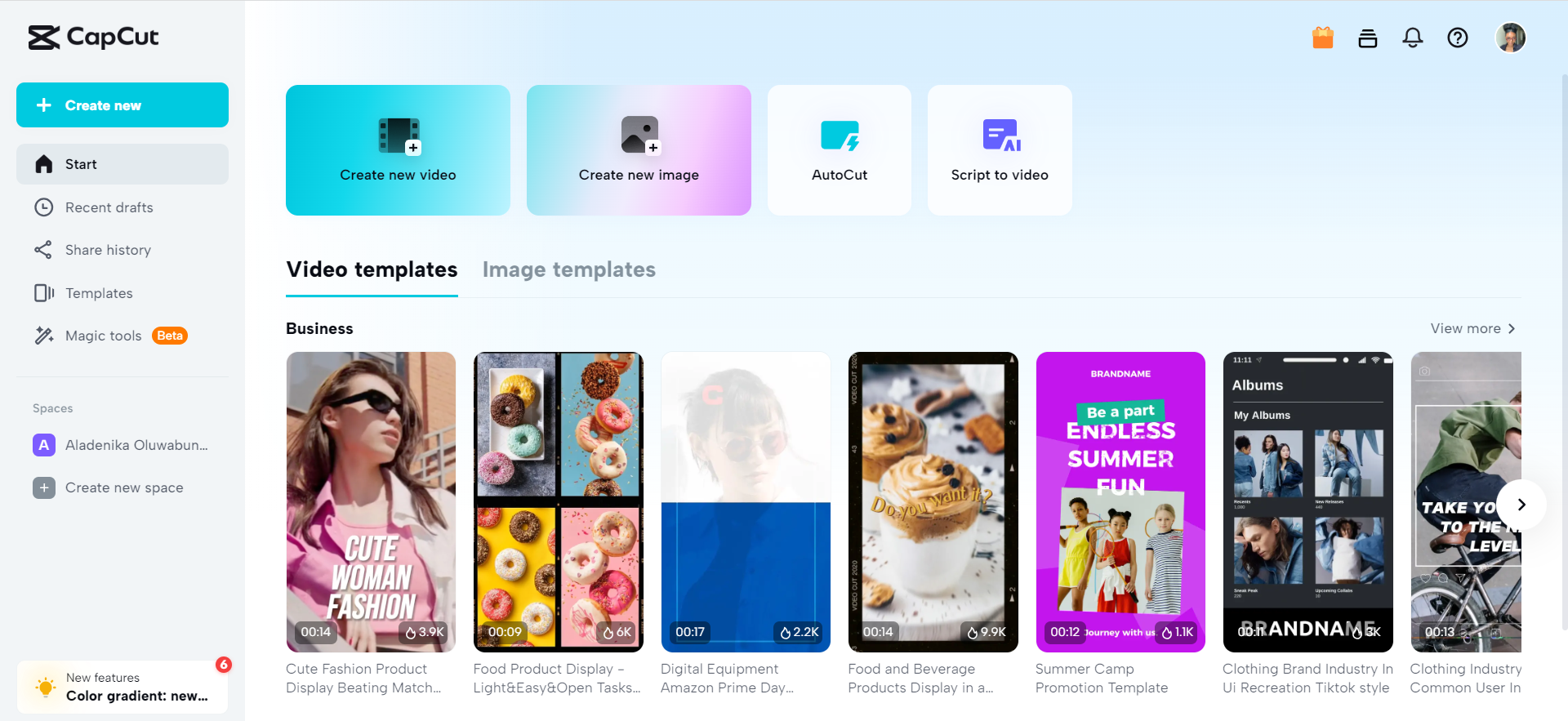
CapCut is another mobile video editing app that has gained popularity for its simplicity and versatility. It offers features like video trimming, transitions, music integration, text overlays, and even advanced editing options like keyframing. CapCut’s user-friendly interface makes it a suitable choice for both beginners and more experienced video editors. You can create and edit videos with ease and share them to your favorite social media platforms. Like InShot, CapCut also has a free version with some limitations but is still a valuable tool for social media video creation.
4. FilmoraGo
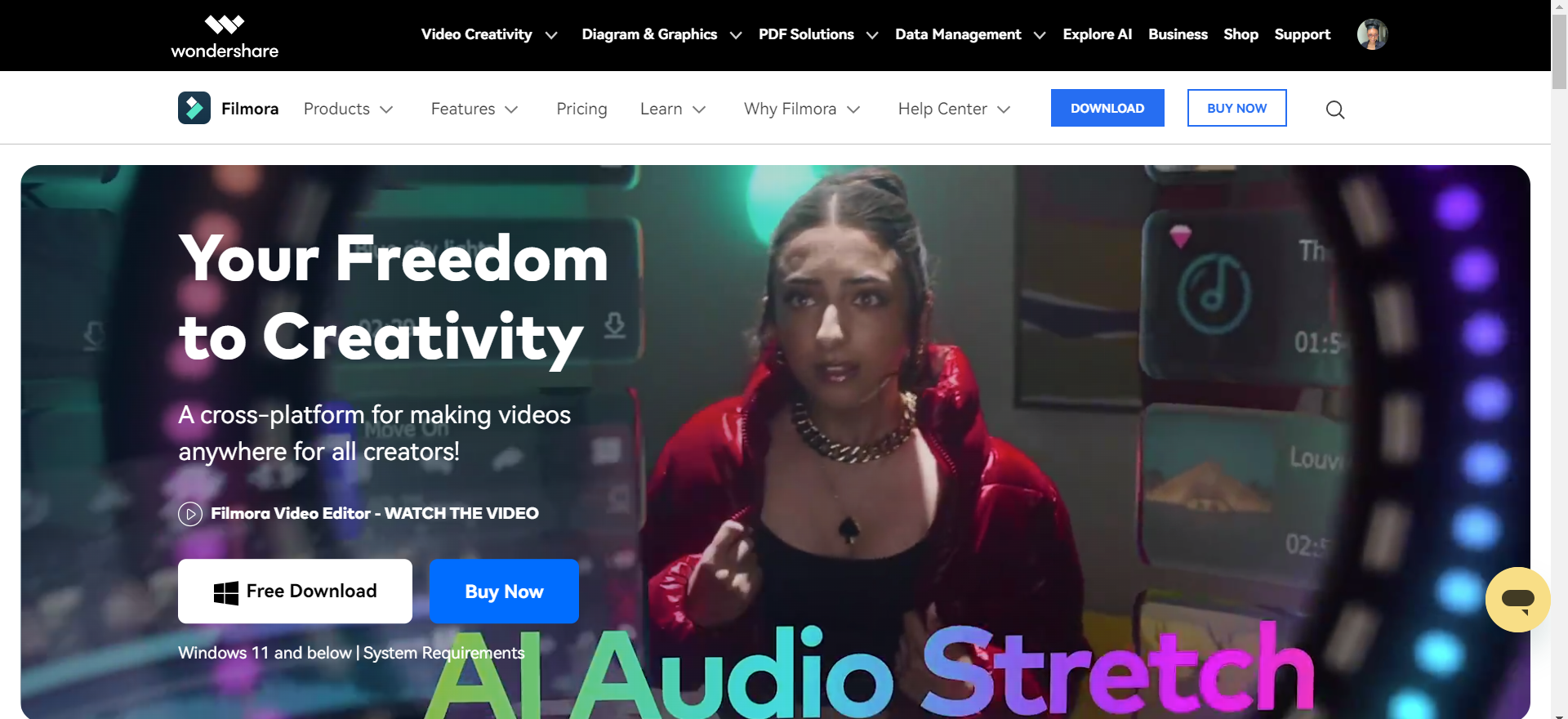
FilmoraGo is an editing app that offers a wide range of features for creating and editing videos on your smartphone and laptop. With it, you can add music, transitions, text, and even apply filters to your videos. While they offer a paid subscription, the free version is capable of producing high-quality content for your social media channels.
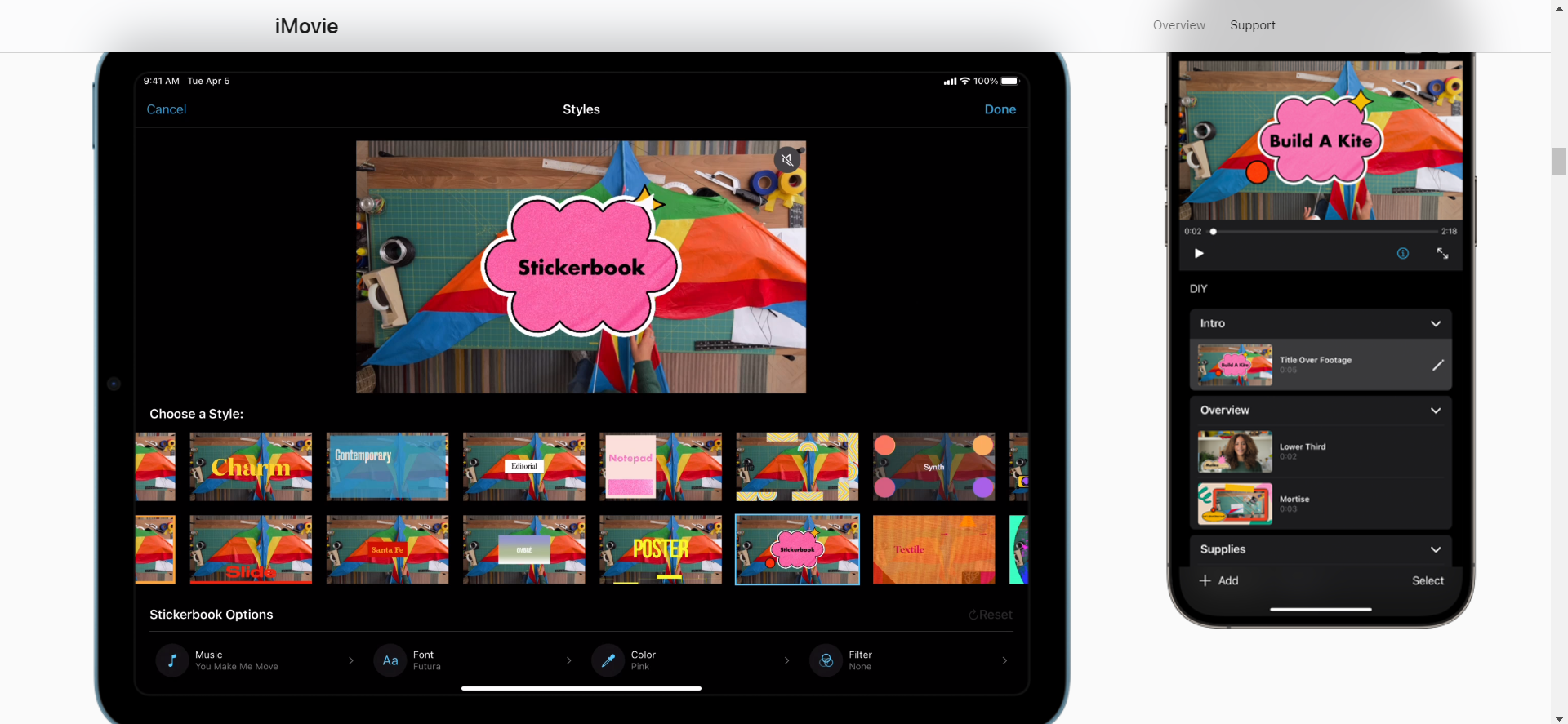
5. iMovie (for Mac users)
If you own a Mac, you’re in luck because iMovie comes pre-installed. It’s a powerful video editing software that’s intuitive and user-friendly. You can use it to edit your video clips, add transitions, effects, and even soundtracks. It might not be as feature-rich as some paid options, but it’s a solid choice for basic video editing needs.
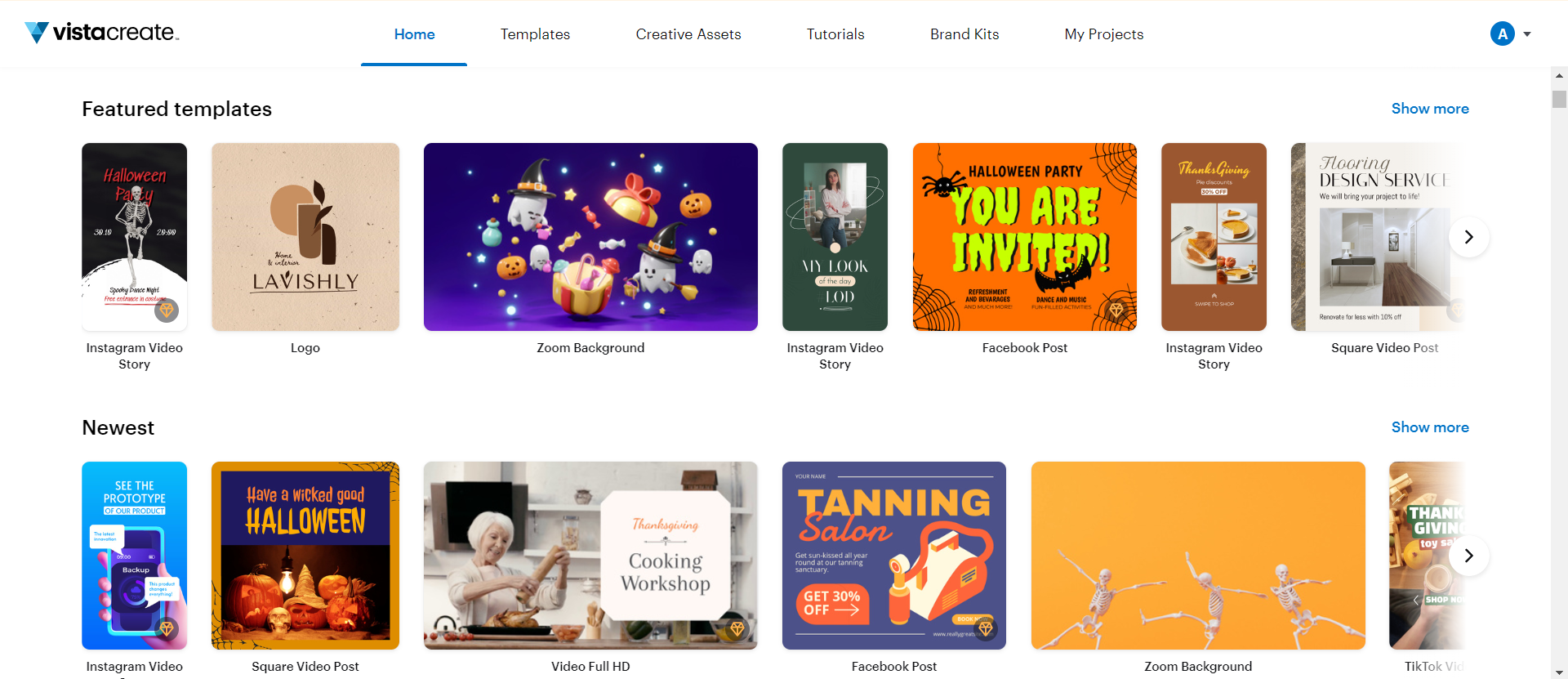
6. Crello
Crello, now called VistaCreate, is a graphic design tool that enables individuals and businesses to create professional-looking visual content without prior design experience. It offers a vast library of customizable templates, design elements, and tools to craft engaging visuals for various purposes, ranging from social media posts and marketing materials to presentations and website graphics.
Conclusion
Creating content videos for social media doesn’t have to break the bank. These free tools offer an excellent starting point for individuals and businesses looking to engage their audience with eye-catching video content. Whether you’re a beginner or an experienced video creator, there’s a tool in this list that can help you bring your creative ideas to life without spending a dime. Experiment with these tools, find the one that best suits your needs, and start sharing your captivating videos with the world. Let us know in the comment section which is your favourite AI tool and how it has helped you out!
You can also check and try out our platform Retink.io to take your social media strategy to the next level. Visit Retink Media to learn more!
Have you heard about AI-powered content? It’s not just a buzzword; it’s a game-changer in the world of content creation!
Are you tired of spending countless hours brainstorming, researching, and crafting content for your blog or website? Well, in this post, we would introduce AI-powered tools that will revolutionise your content creation process from ideation to execution. Gone are the days of writer’s block and tedious research – with the help of artificial intelligence, you’ll be able to speed up your content creation like never before.
We’ll explore how these cutting-edge tools can transform the way you produce compelling articles, enticing videos, captivating social media posts, and much more. Get ready to unleash the power of AI and take your content creation to new heights!
Introduction to AI-Powered Content Creation
Artificial Intelligence (AI) plays a role, in this context. Technological advancements have led to the emergence of AI powered tools that revolutionise the field of content production. These tools leverage algorithms and machine learning to help creators in generating concepts, crafting text and optimising content for search engines. Ultimately they streamline the process of content creation.
What exactly does AI driven content creation entail? How does it work?. What advantages can it bring to your business or personal brand? We will delve into these inquiries and provide you with a grasp of the potential of AI in speeding up your content creation activities.
What is Content AI?
Content AI, or Content Artificial Intelligence, is an amazing technology that is transforming the way we create content. It’s like having a super-smart writing assistant at your fingertips, 24/7! For instance a tool powered by natural language processing (NLP) can analyse data pertaining to a subject or field and produce appropriate keywords.
How Does it Work?
AI powered algorithms and machine learning techniques are used by Content AI to analyse data, comprehend context and produce top notch content at high speed. This content includes blog posts, social media updates, product descriptions and much more all achieved with top speed and precision!
Content AI is powered by technologies such as Natural Language Processing (NLP), Natural Language Generation (NLG), Machine Learning (ML), and Deep Learning (DL). These technologies are used to automate various aspects of the content creation process. These advanced algorithms allow computers to mimic human language patterns, identify patterns in data, and learn from past experiences – all without human intervention.
Why Should You Care?
There are numerous benefits to using AI-powered tools for content creation, and these benefits can greatly enhance the efficiency and effectiveness of your content creation process. In this section, we will delve deeper into the various benefits of using AI in your content creation workflow.
Benefits of Using AI-powered Tools for Content Creation
Save Time: With content AI you can say goodbye to writer’s block! Content AI helps you create content faster, so you can focus on what matters most. Content AI automates content creation, curation, and optimisation tasks, significantly reducing the time required for content production and management.
Consistency: You can achieve a consistent tone and style across all your content pieces. Using content AI ensures consistency in content production by automating tasks, maintaining uniform quality, and adhering to predefined schedules, allowing you to maintain a reliable and regular posting schedule.
Quality: Get top-notch content that engages your audience and drives results. Content AI enhances content quality by providing valuable insights, generating engaging content, and optimising for SEO, resulting in more relevant and valuable information for your audience.
SEO Boost: Optimise your content for search engines and improve your online visibility. Content AI can improve SEO by generating optimised, keyword-rich content that ranks higher in search engine results, increasing visibility and driving organic traffic to your website.
Efficiency: AI-powered tools increases efficiency in content creation. With advanced algorithms and machine learning capabilities, these tools are able to automate various aspects of the content creation process such as researching, writing, editing, and proofreading. This not only saves time but also allows you to focus on more important tasks like strategy and creativity.
Accuracy: Another benefit of using AI in your content creation is improved accuracy. As humans, we are prone to errors and oversights, especially when dealing with large amounts of data. However, AI-powered tools are designed to meticulously analyse data and produce error-free results consistently. This leads to a more polished and professional final product that is free from grammar or spelling mistakes.
Enhanced Insights: Content AI tools have the ability to gather deep insights into your target audience’s behaviour and preferences through analysing their engagement patterns with specific types of content across different platforms. This can help you tailor your content accordingly for maximum effectiveness.
Personalisation: With AI-powered tools, you can personalise your content at scale by creating unique pieces that cater specifically to each individual user’s needs based on their previous interactions with your brand or business.
Types of AI-powered Content Creation Tools:
Text, Image, and Video
In recent years, technology has seen an unprecedented growth in the field of artificial intelligence (AI). This advancement has also had a significant impact on content creation, making it faster, more efficient, and even more creative. With the help of AI-powered tools, creators and marketers are now able to produce high-quality content in less time.
There are various types of AI-powered content creation tools available today that cater to different forms of media. Let’s take a closer look at three popular categories – text, image and video – and their respective capabilities:
Text Creation Tools:
Text is one of the most common forms of content used by businesses and brands. However, creating well-written text can be time-consuming and boring. This is where AI comes in with tools such as natural language generation (NLG) software.
NLG uses algorithms to analyse data and generate human-like text for articles, reports, product descriptions and more. By using NLG software like Wordsmith or Quillbot, writers can create large volumes of high-quality content in little time without compromising on quality or creativity.
Image Creation Tools:
Images play a crucial role in attracting an audience’s attention towards your content. However, creating unique images for each piece of content can be overwhelming for designers who have limited resources or tight deadlines.
AI-powered image creation tools like CANVA or Piktochart can come in handy here. These tools use machine learning algorithms to generate graphics according to user inputs.
Let’s look at a step-by-step process on how to use AI-powered tools to streamline and enhance your content creation process.
Ideation: Unlocking AI’s Creative Power
Before diving into using AI tools, it is important to familiarise yourself with the various options that are available in the market. This will help you determine which tool best suits your needs and objectives. AI-powered tools like ChatGPT can assist by generating creative ideas based on your niche, target audience, and trending topics. The result? A wealth of inspiration to kickstart your content creation journey.
You would also need to clearly define your content objectives. Are you looking to generate more leads, improve SEO ranking or engagement? Knowing your end goal will help you choose the right tool and develop a focused content strategy.
Most AI-enabled tools require some initial inputs from users such as keywords, topics or themes related to their brand or industry. Make sure to provide accurate data as this will directly impact the quality of content generated by these tools.
You can explore or experiment with different options within the chosen tools before finalising on which tool to use, you could even use a combination of different tools depending on what you want to create.
Planning: Crafting a Strategic Blueprint
You would have to create a detailed brief defining your content objectives and outlining the type of content you want to create, target audience, tone, and style preferences. This will serve as a guide for the AI-powered tools to generate relevant ideas and suggestions. Based on your brief and objectives, select an AI-powered tool that aligns with your requirements. For example, if you want to improve SEO ranking then opt for a tool that focuses on keyword optimisation.
For content planning, AI-driven content calendar tools, such as Buffer or CoSchedule, take the guesswork out of scheduling. By analysing historical data and user behaviour, these tools suggest optimal posting times, ensuring your content reaches its audience at peak engagement periods.
AI tools can also help you understand your audience better by analysing their behaviour and preferences. This information allows for more targeted content creation, enhancing the relevance and resonance of your messages.
Creation: Boost Creativity and Efficiency
Tools like OpenAI’s DALL-E and Canva’s Designify use AI to generate visuals and graphics, reducing the time spent on manual design tasks. This not only accelerates the content creation process but also ensures a professional and visually appealing end result.
When it comes to writing, AI-powered writing assistants, such as Grammarly or Writesonic, enhance the quality of your written content. From grammar and style suggestions to generating entire paragraphs, these tools expedite the writing process while maintaining a high standard of language and clarity.
Optimisation: Guaranteeing Quality and Visibility
AI can analyse content for SEO optimisation by suggesting relevant keywords, improving meta tags, and ensuring overall search engine friendliness. This optimisation is crucial for boosting your content’s visibility and driving organic traffic.
Most AI-enabled tools require some initial inputs from users such as keywords, topics or themes related to their brand or industry. Make sure to provide accurate data as this will directly impact the quality of content generated by these tools.
You can also use AI tools to analyse vast amounts of data to research and identify relevant keywords and trending topics. Leveraging these insights ensures that your content is not only creative but also aligned with what your audience is actively searching for.
AI analytics tools like Taskade can provide real-time insights into how your content is performing. By understanding what works and what doesn’t, you can refine your content strategy for maximum impact.
Execution: Streamlining Distribution and Engagement
AI-powered social media scheduling tools, like Hootsuite or Buffer, can automate the distribution of your content across various platforms, saving you time and ensuring a consistent online presence.
You can also implement AI-powered chatbots on your website to allow for instant interaction with your audience. This not only enhances user experience but also facilitates a quicker response to queries, comments, and feedback.
Case Studies: Showcasing Successful Use of AI-powered Tools in Content Creation
Case studies are a valuable way to showcase the practical uses and success of AI-powered tools in content creation. By examining real-life examples, we can see how these tools have been used to streamline and enhance the content creation process for businesses of all sizes and industries. Here are some examples below:
Forbes: Automating Content Creation with AI
In 2018, Forbes became one of the early adopters of AI-powered tools for their content creation process. They teamed up with tech startup, Narrative Science, to develop an AI platform called “Bertie” that would assist their writers in generating data-driven news content.
Bertie uses natural language generation technology to scan through large amounts of data from various sources such as financial reports and social media trends. It then generates news stories tailored to different audiences, saving Forbes writers hours of research and writing time.
The use of Bertie has not only increased Forbes’ publishing output but also improved accuracy and efficiency in delivering timely news articles. The success of this collaboration has shown the potential impact AI can have on enhancing traditional journalism practices.
The Associated Press: Using Artificial Intelligence for Multimedia Content
The Associated Press (AP) is another major media outlet that has leveraged AI-powered tools for content creation. In 2017, they announced a partnership with Automated Insights to use their Wordsmith platform to generate financial earnings reports.
Wordsmith’s advanced natural language generation technology enabled AP reporters to produce comprehensive earnings reports instantly by analysing company data inputs. This automated process saved AP countless man hours.
Addressing Concerns and Criticisms Regarding the Use of AI in Content Creation
The use of AI in content creation has been a topic of discussion and debate in recent years. While some individuals and businesses have embraced the benefits of using AI-powered tools, others have expressed concerns and criticisms about its use. In this section, we will address these concerns and criticisms and provide insight into how AI can actually enhance the content creation process.
One major concern surrounding AI in content creation is that it may replace human creativity and originality. Many critics believe that relying on AI to generate or assist with content will lead to a homogenised, cookie-cutter approach to creating content. However, this is not entirely accurate. While AI-powered tools can aid in generating ideas and executing tasks quickly, it still requires human input for final approval and refinement.
AI technology is designed to work alongside humans, not replace them. It can analyse vast amounts of data, identify patterns, and suggest potential topics or keywords for content creation. This frees up time for creators to focus on more meaningful tasks such as research, writing engaging headlines, storytelling, editing and proofreading. Ultimately, it allows creators to spend more time on the creative process rather than boring administrative tasks.
Some critics also worry that incorporating AI into the content creation process will lead to biase or inaccurate information being produced. This is a valid concern as algorithms are only as unbiased as the data they are trained on. Hence why many leading tech companies are taking proactive steps towards mitigating bias by developing ethical guidelines for their AI systems.
Looking Towards the Future: Potential Advancements in AI Technology for Content Creation
Retink Ai generated-content
The field of artificial intelligence (AI) has rapidly evolved in recent years, and its potential for content creation is increasingly being explored. As we continue to rely more on digital content for communication and marketing purposes, the demand for high-quality and engaging content continues to grow. This has led to an increase in the use of AI-powered tools for various aspects of the content creation process.
One area that has seen significant advancements in AI technology is natural language processing (NLP). NLP involves teaching computers to understand and interpret human language, which enables them to generate relevant and grammatically correct text. With advances in machine learning algorithms, NLP can now create convincing written content that mimics human writing styles.
This opens up a whole new world of possibilities for content creators. One potential use case is automating routine tasks like generating product descriptions or social media posts. Instead of spending hours researching and writing these types of content, AI-powered tools can do it quickly and accurately with minimal human input.
Another exciting advancement in AI technology is the emergence of generative models such as GPT-3 (Generative Pre-trained Transformer 3). These models are trained on massive amounts of data from the internet, allowing them to generate entirely new pieces of text based on prompts given by their users. These models have shown impressive capabilities, even creating coherent articles that could potentially pass as being written by a human.
With these advancements, it’s not far-fetched to envision a future where entire articles or even books could be generated.
Conclusion: Embracing the Future of Content Creation with AI-powered Tools
It’s clear that AI-powered tools have changed the content creation process and have become a crucial element in every marketer’s toolkit. From idea generation to execution, these intelligent tools have significantly accelerated the content creation process, saving time and effort for businesses.
In today’s digital age, where content is king, it’s essential to adapt to new technologies to stay ahead of the game. If you’re still hesitant about incorporating AI into your content strategy, let us assure you that embracing this technology will bring numerous benefits to your business.
First and foremost, AI-powered tools can help you overcome one of the most significant challenges in content creation – writer’s block. With their ability to analyse vast amounts of data and generate relevant ideas and topics, these tools can be a game-changer for writers and creators struggling with creativity.
Moreover, by automating mundane tasks like keyword research and topic selection, AI frees up human resources for more critical tasks such as crafting high-quality content that resonates with your audience. This not only improves productivity but also allows businesses to focus on creating engaging and valuable content rather than spending time on menial activities.
Another significant advantage of using AI in content creation is its ability to personalise content at scale. By analysing consumer data and behaviour patterns, these tools can create personalised recommendations for individual consumers based on their interests and preferences. This helps businesses deliver targeted messages that are tailored specifically for their customers.
Whether you’re a marketer, blogger, or business owner, Content AI is your secret weapon for content success.
You can get started with creating your content AI for free with Retink Media today.
The task of creating customer-centric content for a multitude of starving audiences by the content chief of your business content marketing team gets harder and harder. The reason for this difficulty arises from the increased demand for high-quality, fully optimized and well-customized content to tend to the need of target customers.
In this blog post, you will learn the benefits of using AI-driven content creation tools to meet the demands of your brand’s target audience. So, sit tight and enjoy reading.
Content Creation Challenges Faced by Brands.
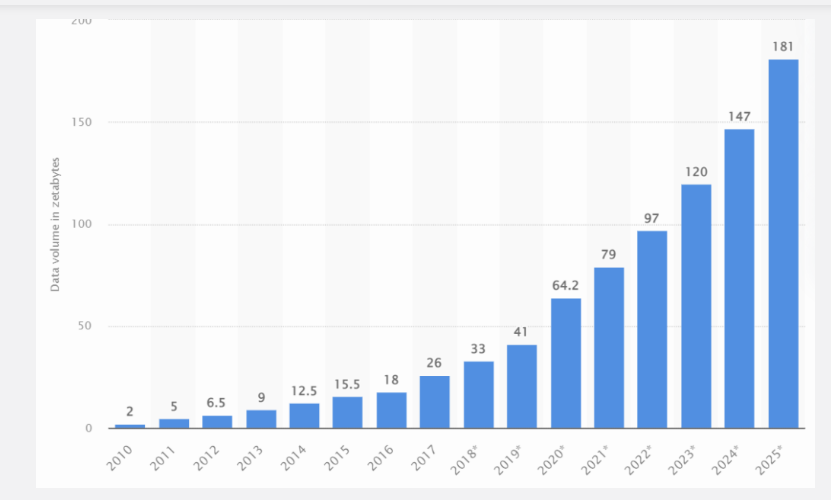
According to Statista, the rate of data creation globally has been forecasted to grow as high as 180 zettabytes by 2025. It will become very hard for businesses to easily meet up with this data and content creation rate with just the help of a small team of content creators and their chief.
It becomes even more expensive for your brands if they start to consider employing the services of more freelance writers and content agencies.
The demand for quality content consistent with your brand’s identity, tone or voice becomes a big issue because these freelancers and agencies would find it hard to adjust to your brand’s style of content.
There is also the problem of managing these content agencies and freelance writers as your demand for different content options and desires increases.
These difficulties go as far as affecting how well your brand ranks on search engine result pages as the quality of content posted on your brand’s website or blog determines how well the pages will rank on search engines.
Thorough content optimisation for search engine ranking requires the need of a careful content process, accurate competitive analysis and extensive keyword research.
Using AI-Driven Content Creation Tools
The era of artificial intelligence and machine learning introduced the use of AI-driven content creation tools to tackle the high rate of content demand. These tools help brands deal with the speed at which a brand creates well-customized content while maintaining the brand’s identity, tone and voice.
AI-driven content also has a high rate of ranking on search engines as it is able to accurately answer the search intent of the audience by carrying out a detailed research about the target audience, matching the content with the primary and related keywords that may show up when a search query is logged in on a search engine.
It has been proven that results achieved by AI-driven content tools surpasses the result achieved by the content created by humans. According to the report from Toms hardware, 75% of Americans were outdone by AI in intelligence assessment tests.
The reason is simple. Content creation involves the use of creative and scientific means in achieving the content goals of a brand. The content goals of a brand could be:
Website Traffic
Leads for email marketing
Sales and conversion from products and services.
High audience engagement
Increase in brand awareness and loyalty
Audience education and satisfaction etc.
All of these goals require the skilful application of creative(human ideas that can connect with an audience) and scientific methodologies(result-oriented processes that involve thorough research, keywording, optimization and targeted dissemination of content in the right media).
When it comes to the scientific aspect of content creation, artificial intelligence tools do better than humans. This can be seen in how brands today employ the use of advanced SEO optimisation tools like Moz, Semrush and Ahrefs to supercharge their content keyword research.
This ability of AI to process and analyze content data is very useful in generating customized user content. The potential for AI in effective content marketing campaigns and customer satisfaction is a very vast goldmine.
So let’s take a quick peep at the benefits of AI-driven content creation tools.
Benefits of AI-Driven Content Creation Tools
The benefits of AI-driven content creation tools cuts across their usefulness in data gathering, competitive analysis, ideation, content personalisation, improved SEO optimization and much more. Now, let’s dive straight into it.
Data Gathering and Analysis: With the advent of powerful content generation tools like ChatGPT, it has been further confirmed that AI can scour the internet searching for data and insights into customers’ profiles with details concerning their ages, place of work, foods they eat, where they love shopping, schools they attend, habits and hobbies, likes and dislikes etc. All these are then analysed into raw data that can be used for creating an audience persona important in content marketing campaigns.
Competitive Analysis: A world without AI would be a world where competitor analysis will be exasperating, porous and subpar. AI-driven content creation tools can use search algorithms and comparisons to analyse your brand’s competitors informing you of the kind of content strategy they used. It goes further to reveal the key performance indicators(KPIs) which are important in making your content do better than your competitors. This helps your content creation to become more streamlined towards meeting your brand’s goals of ranking better than your competitors.
Content Ideation: In an era where tons of information ravages the internet, coming up with content ideas daily which must have originality and with creative ginger enough to be approved by search engines and found satisfying by a starving audience becomes a hard nut to crack for most brands. With the advent and assistance of AI, the ease and speed of generating content ideas have multiplied. AI-driven content generators won’t just stop at telling you the area to focus on, it will also give you a detailed analysis of the questions your audience is asking and what content your competitors are writing to rank well on their websites.
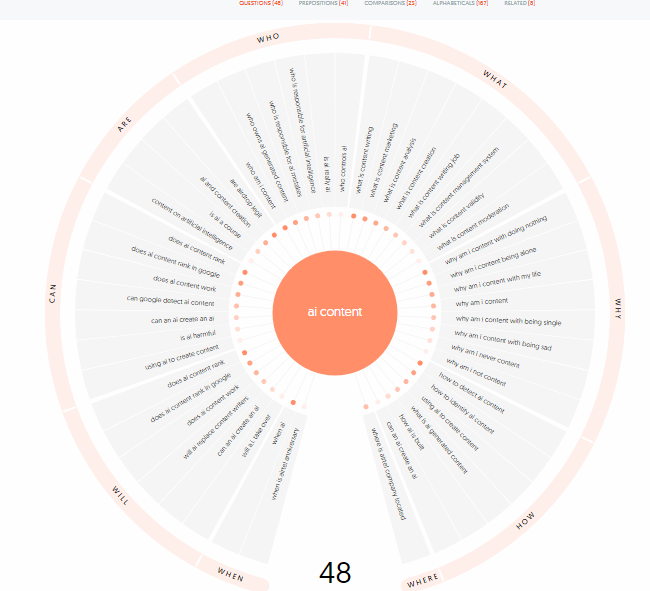
The use of AI in content creation comes with its ability to research the internet and suggest content ideas, topics and keywords that are ranking well in your brand’s niche. A very good example is the use of ideations tools like answerthepublic.com to analyze data and topics trending on a particular keyword.
Personalised Content Creation: The advent of AI-powered content generation tools has taken personalised content creation to the next level for brands and businesses. The creation of personalised content involves thoroughly understanding customers and analysing their data into a useful piece that will be helpful in brand marketing. AI’s can run instant audience research and analysis that can generate customer data and insights for personalized marketing campaigns.
Content Proofreading: Developing effective content strategies and the process of content creation is already time-consuming. Imagine adding the role of proofreading the content to spot errors, wrong grammatical structuring, wrong use of adverbs and prepositions etc. All these can be done with less effort and time with help of AI-content generation tools like Grammarly and Hemingway editor. All these tools help make content creation easier and faster.
Improved SEO Optimization: The importance of AI-powered keyword tools in content generation cannot be overemphasized. These tools help in carrying out thorough keyword research paying attention to the search volume, ranking factors and formats in which specific keywords are ranking on search engines. This tedious act which is properly done by AI-powered tools helps improve the SEO optimization of content for easier ranking on search engines.
Enhanced Content Management: Content management became much easier with the introduction of AI into content creation processes. Monitoring content results, tracking its impacts and the number of conversions it generates or how many leads the monitoring capabilities of an AI can enhance a social media ad generated.
In a nutshell, content creation using AI-driven tools has become one of the greatest gifts to the content marketing industry as it has made content creation processes much smoother, faster, more efficient and more strategic. It helps in making sure that every angle of the content generation, optimization and dissemination processes is covered.
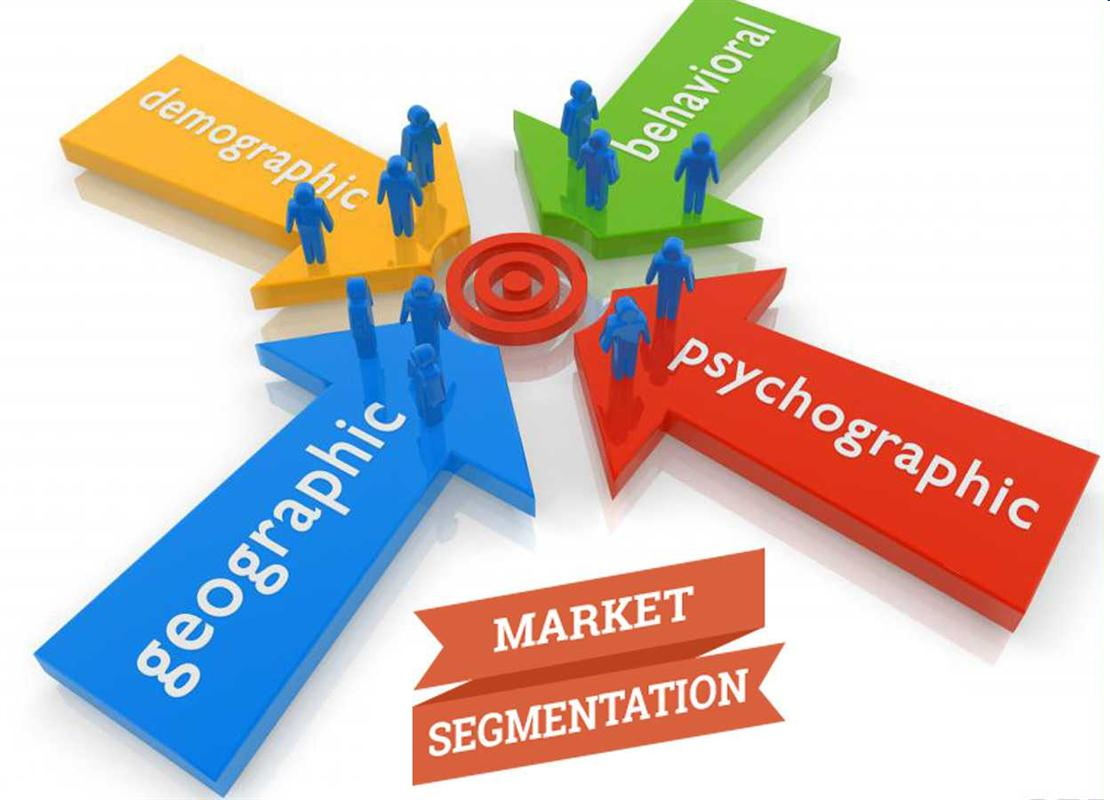
To better understand market segmentation, let us look at this scenario: When trying to reach
customers or clients with your marketing message or ad campaign, targeting the right market
with the right message is very essential because, if you aim too broadly, your message might
reach a few people who end up becoming customers, but you’ll also reach a lot of people who
are not interested in your products or services. When your message is not optimized for your
target audience, you’ll end up with a lot of wasted advertising resources.
Market segmentation can help you to target just the people most likely to become satisfied
customers of your company’s products and services or enthusiastic consumers of your content.
To break a market into segments, you split it up into groups that have similar characteristics.
You can base a segment on one or more of these qualities. By splitting up your audience in
this way allows for more precise targeted marketing activity and personalized content creation.
The Importance of Market Segmentation
Market segmentation can help you to define and better understand your target audience
and ideal customers. If you’re a marketer, this will allow you to identify the right market for
your products or services and then target your marketing message more effectively.
Similarly, publishers can use market segmentation to offer more targeted advertising options
for the products, they are marketing and it will also allow them to customize their content for
different audiences or groups.
For example, you’re a marketer who’s advertising a new brand of dress. You could split an
audience into segments based on the type of dress, either for winter or summer, and the
audience could be segmented into female or male. You could then segment that audience
further based on if the dresses are for adults or children. A publisher could use this same
information to show content about fashion to people who are looking to buy or own a clothing store.
Market segmentation allows you to target your content to the right people in the right way,
rather than targeting your entire audience with a generic, focus-less message.
This increases the likelihood of someone engaging with your ad or content, leading to
more efficient campaigns and a higher return on investment (ROI).
Types of Market Segmentation
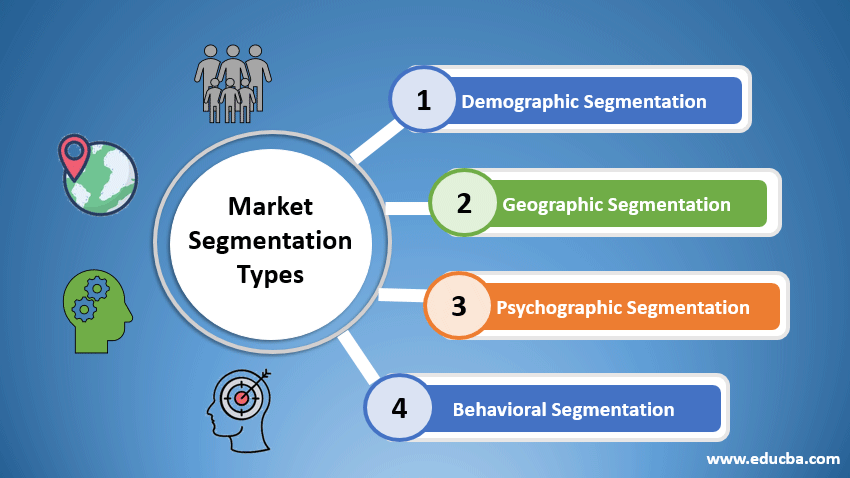
There are different kinds of market segments you can create. Below are the four main
methods of market segmentation. It is possible to create more niche segments
within the types below.
1. Demographic Segmentation
Demographic segmentation is one of the most common types of segmentation.
It refers to dividing audiences based on observable information and people-based differences.
These qualities include things like age, sex, marital status, family size, occupation,
education level, income, race, nationality, location, religion, etc.
Segmenting a market according to demographics is the most basic form of segmentation.
Combining demographic segmentation with other types can help you narrow down your
market even more. One benefit of this kind of segmentation is that the information is easy
to access and low-cost to obtain.
Some products are targeted explicitly at a specific demographic. One personal care company,
for example, might make two deodorant products—one labeled as men’s deodorant and one
labeled as women’s deodorant.
Automotive companies often segment their audience by income and market different makes
and models of cars to each segment. One company may have a luxury brand, an economy
brand, and a mid-range brand.
There are numerous ways to gather demographic data. One way is to ask your
customers directly. This can be time-consuming, but getting the information directly
from customers will help ensure its accuracy. If you go this route, be careful to be
respectful in how you ask and give customers sufficient response options so you get
accurate results. We can also obtain demographic data directly from customers by looking
at their social media profiles, where they may have provided information about themselves.
2. Behavioural Segmentation
You can also divide your market into segments based on consumers’ behaviuors or purchasing
patterns online, especially regarding your product or service. Dividing your audience based
on the behaviours they display allows you to create messaging that caters to those behaviors.
The actions you might look out for are the ones relating to how someone interacts with your
product, website, app, or brand.
Some types of behaviors to look at include:
Online shopping habits: Consider a user’s online shopping habits across all sites, as this may give you a clue as to the fact that they might make an online purchase on your website.
Actions taken on a website: You can track actions users take on your online properties to better understand how they interact with them. You might look at how long someone stays on your site, whether they read articles all the way to the end, the types of content they click on if they add products to their cart, and more.
Benefits sought: This refers to the need a customer is trying to meet by purchasing a product, which is also referred to as their pain points.
Usage rate: You can categorize users based on usage rate. Your marketing message will be different depending on whether someone is a heavy user, medium user, light user or non-user of your product.
Loyalty: After using a product for some time, customers often develop brand loyalty. You can categorize customers based on how loyal they are to your brand and tailor your marketing messages accordingly.
Finally, behavioural data is useful because it relates directly to how someone interacts with
your brand or products. Because of this, it can help you market more effectively to them.
Marketers can collect this data through various means, such as the cookies placed on websites,
the purchase data in a company’s customer relationship management (CRM) software, and or
third-party databases.
3. Geographic Segmentation
Geographic segmentation, or splitting up your targeted audience and market based on their
location, is a basic but highly useful segmentation strategy. A customer’s location can help you
better understand their needs and enable you to send out location-specific advertisements.
There are several kinds of geographic segmentation, but the most basic among them is
identifying users based on their locations, such as their country, state, county, and zip/postal code.
Marketers can also identify consumers based on the characteristics of the area they live in,
such as its climate, population density, and whether it’s urban, suburban, or rural.
Identifying characteristics can require you to get more specific since one county could have rural,
suburban, and urban areas.
Dividing a market according to location is critical if you need to target an ad to people in a
specific area, such as if you’re advertising a small local business. It can also be useful
if you’re targeting a broad area because it allows you to tailor your ads according to regional
differences in language, interests, norms, and other attributes, as well as the differing
needs of people in different regions.
You may need to change the language of your marketing message depending on the
region or location you’re targeting.
People who live in different countries may also have different interests. For example,
baseball is very popular in the United States, while cricket is more popular in India and
football is common in the UK and Europe. If you’re marketing sports equipment or
publishing sports articles, you will want to take these different preferences into consideration.
Companies can also consider different needs in different regions. For instance,
a clothing company might show ads featuring warmer clothing to people living in
cold areas and the opposite to people living in warmer or hot regions.
4. Psychographic Segmentation
Psychographic segmentation is similar to demographic segmentation, but it deals
with characteristics that are more mental and emotional. These attributes may not
be as easy to observe as demographics, but they can give you valuable insight into
your audience’s motives, preferences, and needs.
If you as a marketer understand the psychographic attributes of your audience,
it can help you create content that appeals to them personally. Some examples of
psychographic characteristics include personality traits, interests, beliefs, values,
attitudes, and lifestyles.
If you find that members of a demographic segment are responding differently
to your content, you might want to add some psychographic information.
While demographics provide the basic facts about who your audience is,
psychographics gives you insight into why your targeted audience decides to
purchase or not purchase your product, clicks on or ignore your ads, and
otherwise interacts with your content.
For example, you’re a furniture and home decor company, and you have a market
segment consisting of newlyweds in their 20s and 30s with a household income of
over $60,000. Some members of this segment are converting, while others are not.
When you add psychographic information into the mix, you may find that people that
purchase your products often value community and friendships and are
environmentally conscious. Based on this information, you could create ads that show
people entertaining friends in their homes and emphasize the environmentally
friendly attributes of your brand.
You can gather this data in many of the same ways you can gather demographic data.
You can ask your existing customers for this information using surveys. Marketers can also
look at the way people interact with your website and see what types of content they
engage with, which gives you insight into their interests and preferences.
People can also supplement their first-party data with second-party and third-party data.
Other Methods of Market Segmentation
Demographic, behavioural, psychographic, and geographic segmentation are considered
the four main types of market segmentation, but there are also many other strategies you
can employ to target your ads toward your intended audience. This includes numerous
variations on the four main types. Here are several more methods you may want to look into.
Value segmentation: Some businesses will split up a market based on the “transactional worth” of their customers and clients — how much they’re likely or willing to spend on their products and services. To determine a customer’s transactional worth, you can look at previous purchase data such as how many purchases they make, how often they make purchases, and the value of the items they purchase.
Firmographic segmentation: This is the classification of business-to-business customers based on shared company or organization attributes. Business-to-business (B2B) companies may use firmographic segmentation to divide up the businesses in a market. This is similar to demographic segmentation with individual consumers but instead looks at the characteristics of companies that may become customers. Examples of data to look at include industry, revenue, number of employees, and location.
Lifestage segmentation: You can also segment your market into groups based on where they are in their lives. Going to college, getting married, changing jobs, and having children are examples of key life events to consider. People at different stages of life need different things. For instance, soon-to-be college students may need apartment furniture. New parents will be looking to purchase baby items etc.
There are other types of market segmentation that are equally important, like seasonal
segmentation and behavioral segmentation. As you may have come to understand,
marketing is an important aspect of any business, both online and offline, and so if
not done well, it can maim your business permanently. We at Retink have dedicated
our time and resources to handle that important aspect for you so that you can have
such an important area handled by professionals. Get in touch with us today for your
A marketing strategy that is good and consistent can be linked to the success of that business,
everyone wants to associate themselves with success, and every business wants to be successful
like Apple, Coca-Cola, Nike, etc. It would have been nice to just get your hands on their
marketing plan and strategy but these companies have serious confidentiality policies
that make such information hard to come by. One thing is sure, these businesses are
not just big and successful overnight, it is because they are meticulous and consistent.
Also, it is true, some of them have visionary leaders at the helm of affairs while some have a
very fat budget, but after sifting through all of these companies, we noticed a few common trends
such as the way the brand presents itself, the way the brand responds to consumers, and the
the way the brand stays true to its values and mission.
Fortunately, these trends can also be adopted and duplicated because it is not just for businesses
with huge marketing budgets but for any company no matter the size of their marketing budget.
Having narrowed down the marketing habits of some of the biggest companies in the world,
we believe that these habits can easily be adopted by any business in order to dominate its niche
and stand out among competitors.
We must understand that being a big company is not just about making huge sales, it is also
about making an impact and a lasting impression in the minds of your clients and customers.
Without wasting time let’s dive in.
Six(6) Top Marketing Strategies Found Among Successful Companies
Around The World.
1. Coca-Cola: Brand Consistency
It is an obvious and well-known fact that Coca-Cola is one of the most popular brands in the world
thanks to their great marketing strategy.
Their red and white logo is recognized in countries all around the world and people identify their
the brand with feeling good and a source of refreshment.
So how did Coca-Cola create such a recognizable brand? It is a straightforward answer,
which is that they have kept their brand identity and product consistent for decades.
Even though the company has been around for years, its logo has stayed relatively the same
and its marketing slogans and taglines have continued to promote the same message of
feel-good and refreshment. It is this level of consistency for over 130 years that has made
Coca-Cola is one of the biggest brands in the world.
Today, Coca-Cola owns a huge percentage of the beverage market and has numerous products
under different names and brands, however, their most popular product, the infamous,
iconic can of Coke has remained relatively untouched.
Coca-Cola spends an estimated $4.3 billion on marketing and advertising every year.
The company has all the power in the world to market in whichever way they choose.
However, year after year, time and time again, the company favours consistency and
this is what has paid off for them in the long run. This just goes to show that when it comes
to developing a recognisable and popular brand, consistency can go a very long way.
2. Apple: Creating a Movement.
Apple did not fall into an overnight success. If you have been following Apple’s story,
you would know that Apple had many roadblocks to navigate through before making it
to the top of its niche market.
The one thing that helped Apple in its race to the top, however, was its marketing strategy
which is focused on the ability to create a movement. This movement helped the brand
to create loyal customers in a form of a cult-like following that over the years,
has remained loyal and stood the test of time together with the brand.
In all of its marketing efforts, Apple has not just showcased its products but have
also created the identity that its products are visionary and life-changing.
Sure they have developed some amazingly advanced technologies, however in order to
get average people excited about this, they have created beautiful, aesthetically pleasing
gadgets that are not just for tech nerds but for everyday Joe as well.
Their marketing has also helped to convey this identity by making people feel as if they
need their products in order to enhance their life in some way. They have worked hard to
win over consumers and have created a tribe of followers who are consistently excited about
every new product launch announcement.
Even though there are now many competing brands with similar technology like Microsoft
or Samsung, it is Apple products that people line up overnight for, it is Apple products that
make headlines in the news.
Definitely for Apple to create this type of fanbase, it does take a few special attributes,
however, it is definitely possible for any business to try and emulate.
First of all, your brand must have an innovative and awesome product that can easily be
integrated into people’s lives.
Even if it is a new product, as long as there’s a way you can market it as something people
or businesses can’t live without you will hit your own honey spot. So, once you have been
able to identify what makes your product or service so awesome, you have to market it in a
simple and thought-provoking way, even a baby will understand.
For example, there is nothing fancy about Apple ads, but they are simple, and clear and create
a feeling of being part of something ultra modern and ultra innovative.
Finally, you also have to deliver exceptional customer experiences. Remember, to develop a
the tribe that is going to follow your brand, you have to make them feel like they are part of your
brand and give them services that will make them fall in love with what you are offering.
3. Colgate: Creates Trust
Colgate’s marketing strategy is customer-centric, Instead of just shoving their products down
people’s throats, Colgate has taken a very different approach over the years and has
chosen to educate consumers instead.
This strategy has helped the brand not only sell packs of toothpaste but also become one of
the leading and most trusted toothpaste brands in the world.
In marketing, there are a few ways to promote trust, but nothing is more effective than educating
customers and providing customers with how your product can work to benefit them.
As part of Colgate’s marketing strategy, they started an Oral Care Center, packed with information
and videos on oral care and hygiene. They also share valuable information with consumers on how
to brush and floss effectively and how to prevent the development of cavities and dental diseases.
This strategy may seem obvious for a toothpaste brand, however, any business can adopt this
strategy and make it work for them. Most consumers love receiving free information and
learning about things that impact their lives or the lives of those around them.
To use this strategy for your business,
Think about your consumer’s pain points and what they want to know. Also what information would make their lives better and easier?
It may also be beneficial to think about how your products can help to solve the problems of your consumers and how you can tie this in with the information you are offering.
Offer lots of valuable and free information that your demographic really wants to read, and stand out from your competitors by listening to customers.
Present your products and services in an appealing and welcoming way. Stand for something so those who agree with you can follow along.
Create unparalleled customer service experiences (just look at what Apple did with the Genius Bar)
Be original and consistent.
You might not have a Colgate marketing budget. With even the smallest budget you can
create blogs, ebooks, videos, emails, and even e-courses which can all help to educate your
customers, generate long-term relationships and build trust.
4. Starbucks: Social Strategy
Starbuck’s marketing strategy is all about leveraging the power of social media.
Eighty (80%) percent of hugely successful companies are active on Twitter.
What does that tell you?
Having a strong social media presence is imperative if you want to take your
business to the next level.
Social media is important as it helps to establish brand identity, authority, and trust.
It also helps consumers to engage with your brand on a more intimate, one-on-one level,
which helps to develop stronger ties and relationships over time.
Starbucks is the perfect example of a business that is crushing it when it comes to social media.
They are clued in and tapped in with what their fans want and run a hugely successful Facebook,
Twitter, and Instagram accounts.
There are a few reasons that Starbucks is so successful on social media and some of them include:
Starbucks also runs promotions and competitions through its social media platforms and many have gone on to be viral sensations around the web.
Most recently, Starbucks became a trending news topic over their red Christmas coffee cups. This was not by accident and was a meticulously planned and orchestrated social media campaign that just by chance went viral.
Their clever use of videos, .gif, and images on their feed
Their custom images that go along with their tweets
That they actually respond back to followers, especially on Twitter
That they are up to date with current events and use them to their marketing advantage
Their creation of several unique hashtags that have gone viral
Running successful social media is not necessarily about thinking of some grand breaking
scheme to get people hooked (like red Christmas cups). Rather, it is about making connections
with and maintaining such connections with your fanbase and offering them more of
what they are looking for.
If you are observant, in building your brand from scratch, you will have some privileged
information about your consumers. Using this to your advantage, craft a social feed that
reflects your support and dedication towards your fans, as well as your knowledge in your industry.
This includes sharing educational articles, sometimes funny images, and memes and
responding to comments, tweets, and direct messages. Combine all of this with some
soft entertainment value and some frequent promotions and gift competitions and you
will be well on the way to creating a solid social presence.
5. Whole Food Market: Stand for Something
When Whole Foods first entered the market there was really nothing like it.
Their strategy was to offer one thing and to offer it well, stand by it and make
sure it is successful and this has really been the hallmark of their success.
Many marketers and business owners get caught up in the idea of trying to please
everyone or to be a part of everything, but this can often end in disaster and can
leave your brand directionless. It can derail your brand from its founding vision and mission.
Whole Foods came onto the scene with one goal in mind- to offer consumers access to clean,
thoughtfully sourced, organic foods, and they have never wavered from this promise.
Today, Whole Foods competes with many other brands and businesses that have also
adopted some of their strategies and philosophies; however, one of the main reasons that
Wholesale Foods have been able to hold its ground because of its deeply rooted philosophy.
Whole Foods has made eternal promises to its consumers about where its food comes from
and has created benchmarks that many competing brands cannot catch up to.
They also appeal to the consciousness of consumers who are interested in supporting
their brand for no other reason other than they feel as if it is the right thing to do.
No matter what you buy from Whole Foods, people automatically feel that they are
making a“healthier” choice due to the image the brand has created. In order to replicate
this in your own company, your brand must stand for something. Maybe it is clean food,
maybe it is integrity, fast delivery of service, quality of products or services, or maybe it
is your unmatched customer service. Whatever it is, your brand must stand for it and it
must not waver from it no matter what.
Nike: Sell a Story
Like Colgate offers consumers beneficial information, Nike offers their customers information
but of a different kind. For every new pair of runners, for every new bit of technology,
Nike offers a story, not just product specifications. Even on their homepage, Nike paints a
story about some of its famous shoes and the journey they have taken from ideation to conception.
Nike sells the story, which in turn helps to sell its products and your brand can do the same.
Every product or service that you offer has some kind of story and if you can get creative enough,
if you can weave these stories into something interesting to read or hear, you may be able to turn
that story into something powerful for your brand. Think about the most interesting facets of your
brand and what your demographic may find interesting.
It may simply be some behind-the-scenes photos, or maybe it is a blog post about how you have
helped clients and other brands. It doesn’t have to be something grand or tear-jerking,
it does not have to be a sob story, customers simply want to find something in your products
or services that they can relate to, give it to them. Whatever you choose, know that creating a
story is far more powerful than just selling a product.
Writing a blog or using social media tools like Instagram, is also a great way to paint a visual
story of your brand. Out of all the Fortune 500 companies mentioned here, Nike has one of the
strongest presences on Instagram and they use that edge in a very clever way. They promote
strength and fitness, they promote health, and they promote things that are so much bigger
than just a pair of runners.
This indirect style of marketing is what gets consumers interested in a brand or product and
it is also what keeps them following along with the story. This ultimately helps to keep your
brand fresh in your customers’ minds.
In Conclusion
As stated by an expert “Good Marketing and Good Strategy are both about making choices
that build and maintain a particular set of capabilities that enable a company to
outperform its competitors.”
You may not have the marketing budget of Apple or Colgate, but when you work with your
strengths and create an effective marketing strategy that is consistent, innovative, and true
to your brand, there is no reason why you can’t be on your way to the top and become
successful as any of the Fortune 500 companies mentioned above. To be successful in marketing
it all starts with having a solid strategy that supports the growth and development of your business.
Start by thinking about your strengths, what you can do with them and what you can truly offer
your consumers. How can you enrich their lives, help them to become better and how can you
make them fall in love with your products or services?
Following in the footsteps of the Fortune 500 companies highlighted above, your brand can
easily be on its way to developing a strong marketing strategy that yields all-around positive results.
Think About Where You Can:
Maintain consistency in your branding efforts in order to make your logo and taglines more recognisable.
Create a movement with your brand by offering consumers the chance to be part of something innovative and “life-changing.”
Build trust with your consumers by offering valuable information and additional benefits other than just the products or services that you offer. This can be done through competitions, ebooks, videos, and more.
Integrate social media into your marketing strategy and work on developing a strong social presence.
Make sure your business stands for something and try to be an active participant in your community.
Sell a story rather than just the specifications of your product or services using social media or blogging platforms.
Let me leave you with this valuable fact, you will not be an expert in all these strategies,
and you might not even know how to go about any of them, fortunately, there are companies
who have dedicated their time and resources to be the best in creating these moments for
other businesses and one of the leading among them is Retink Media get in touch with us today
and let us help put your business ahead of the packs.
The importance of branding to the success of any business cannot be overemphasized. It is as
important as any other area of the business. To successfully define branding we will, first of all,
explain what a brand is. A brand is a product, service, or concept that is generally distinguished
from other products, services, or concepts so that it can be easily identified, communicated, and usually marketed.
Branding, therefore, is the process of creating and disseminating the brand name, its qualities, and personality to the public either via video, image, logo, or naming.
A brand should portray what a company does and what sets it apart from competitors and rivals.
The brand is that which helps you to identify a product and distinguish it from other products and services.
This is to say that the brand of your business distinguishes you from other businesses which offer the
same services as you.
Branding sensitizes your clients or customers on the things to expect from your company or business,
thereby helping you to build a loyal, returning, money-at-hand, ready-to-buy customer base.
Good branding or rebranding if you have an existing branding that is not producing needed results
will represent your organization in many different ways and it will communicate some important
messages in the mind of your target audience which include the creation of a strong, credible
perception of your company, your products, services, and projects.
How To Achieve Branding Goals
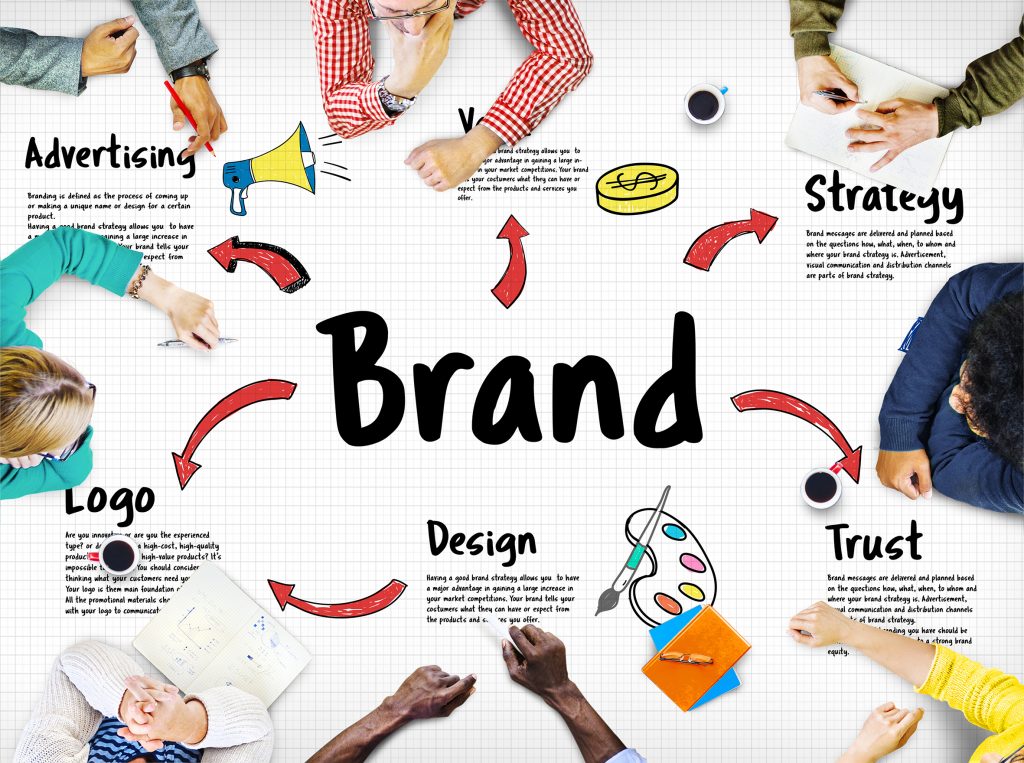
Branding can be achieved through the combination of different elements; the obvious ones are
logo design, ads and marketing design materials, mission statement, goal, and a consistent theme
and color throughout all marketing communications.
A lot of people and businesses have not seen the importance of branding their products and services,
in fact, something as small as logo design can do a lot of good or otherwise to your business if it is not
done with needed attention. This is why, in this piece, we would be sharing with you, basic reasons
why branding is important to your business.
Importance of Branding to your Business.
1.Branding Enables Your Business To Stand Out From The Crowds:
Branding is one of the major tools that help your business to stand out from other competition around you.
It establishes in the mind of your customers the ways you are different from your competitors and
why they should choose your product, program, or services over your competitors.
2. Branding Helps In Building Business Recognition:
Having a compelling logo, a website with a good user experience and user interface(UI/UX), and social
media platforms and other brand assets help you to create a distinct voice and style for your business
which will increase your brand recognition in the market.
3. Branding Creates Dynamic Customer Experience:
Strong branding with constructive authority in it will help you to create a consistent brand experience
for your customers whenever they get to interact with your brand. Be it through social media,
website/blog articles, advert, or at an in-person event.
For business growth and development, you have to assure your customers have a consistent
experience anytime they interact with your brand. Most especially in theme and color.
We have associated some colours with some brands and whenever we see these colors their
names always come to mind. For example, we have yellow for MTN, green for GLO, orange for GTBank, etc.
4. Branding Helps To Increase The Worth And Value Of Your Business:
A strong and established brand will help your organization generate new business with ease
and also open the door for easy diversification. Going back to our MTN Nigeria example,
recent due to the large acceptance of the mobile money business, MTN easily move with the flow
and created Momo agents mobile money business because of their good branding,
they are able to ease into the market and leapfrog those they meet on the scene because of
their existing good branding. This goes to say that if you have a credible brand, you automatically
have more leverage in your industry, niche, and the subsequent niche you want to go into in the future.
5. Branding Increases Loyal Customers Base:
This is one of the benefits that come with branding your business. It attracts more people to your
business by establishing a first-hand emotional connection with your audience who, in a bid to
know more, gets to use your products and services more. Good branding can also convert some
of your customers to brand ambassadors even without you knowing.
6. Branding Helps Employee Sense Of Fulfillment and Working Experience:
As a matter of fact, Working for a company that has a strong brand name adds more satisfaction to an employee than if it’s the other way around, it gives them bragging power and other benefits among their friends. Just having the privilege of being within the space of a strongly branded organization will further
boost their motivation to work.
7. Branding Helps Your Business To Earn Trust And Visibility Within Your Niche And Ecosystem:
Additionally, branding is a tool that will help your organization to have a professional appearance in the marketplace,
building trust with your target audience and customers. Many people will feel inclined to do business
only with companies that already have solid brand recognition and reputation in the marketplace.
In conclusion, branding is a continuous, consistent effort and process. You will keep improving and
developing your branding strategies so as to always give your customers a new feel and experience
every time they come in contact with your business.
Finally, having known the importance of branding to your business, you should not only have a
brand but grow it into a credible and reliable standard that can bring your business to profitability
and keep it there. Selling your business to the outside world starts from your logo design to
your mission statement, company goals, and so on. This and more is what Retink can do for
you at a fraction of what is a standard market value. Get in touch with Retink today and let us help
put your business on the map and in the minds of your target audiences worldwide.